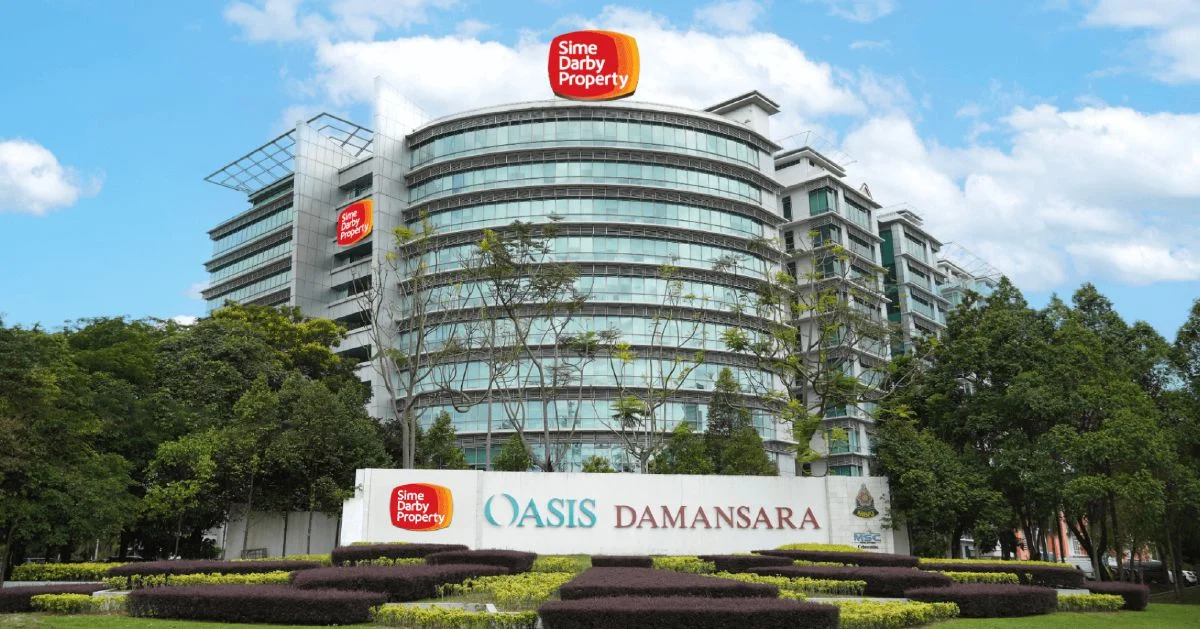
Sime Darby Property Bhd has taken a significant step in expanding its development ambitions by launching an ambitious RM2.6 billion sukuk wakalah programme through its New Economy Venture (NEV) fund. The initiative, channelled via subsidiary Sime Darby Property NEV Holdings Sdn Bhd, represents a substantial capital injection aimed at accelerating projects aligned with Malaysia's economic transformation goals.
The move underscores a strategic pivot within Malaysia's property development landscape, where major developers are increasingly turning to Islamic financing instruments to fuel growth. Sukuk wakalah structures, which are based on asset ownership arrangements rather than debt obligations, offer flexibility and alignment with Shariah principles—an appealing option for both issuers and investors seeking compliant investment vehicles. For Sime Darby Property, this approach demonstrates confidence in the company's ability to attract capital markets support for its longer-term strategic vision.
The New Economy Venture represents the company's second dedicated real estate development fund, signalling a maturing approach to project financing beyond traditional bank lending. By establishing a dedicated fund structure, Sime Darby Property can compartmentalise project risks, streamline approval processes, and provide transparency to sukuk holders regarding how their capital is deployed. This architecture is increasingly common among regional developers seeking to scale operations while managing leverage at the group level.
New economy projects typically encompass developments that contribute to future-oriented sectors such as technology hubs, digital infrastructure, smart cities, sustainable housing, and mixed-use urban renewal. Malaysia has positioned itself as a regional leader in adopting forward-looking urban concepts, and property developers play a critical role in translating government policy into tangible projects. Sime Darby Property's commitment of RM2.6 billion signals serious intent to participate in this transformation rather than merely maintain existing portfolios.
The sukuk wakalah structure carries particular relevance for institutional investors in Malaysia and across the Islamic finance centres of the Gulf and Asia-Pacific. These investors increasingly seek exposure to real estate as a yield-bearing, asset-backed instrument, and Shariah-compliant securities offer access to opportunities otherwise unavailable through conventional debt markets. The programme's scale suggests strong pre-marketing demand, reflecting investor appetite for quality Malaysian real estate exposure in an environment of rising interest rates globally.
Sime Darby Property's decision to pursue sukuk financing also reflects broader shifts in Malaysia's capital market ecosystem. The country's Islamic finance sector has matured considerably, with sophisticated underwriting, transparent pricing, and competitive terms that rival or exceed conventional alternatives. By tapping this market, Sime Darby Property gains access to a wider investor base while supporting the development of Malaysia's domestic capital markets infrastructure—a strategic objective emphasised by Bank Negara Malaysia and the Securities Commission.
The timing of the programme launch carries additional significance given current economic headwinds. While property markets across Southeast Asia have faced cyclical pressures, developers with secure access to long-term, patient capital are better positioned to navigate downturns and capture opportunities when conditions improve. The RM2.6 billion commitment provides Sime Darby Property with a multi-year funding runway, reducing refinancing risks and enabling disciplined project execution rather than rushing developments to market.
Investor protection and governance mechanisms embedded within sukuk wakalah structures are particularly important in the Malaysian context. Typically, these programmes include trustee oversight, regular reporting obligations, and restrictions on how proceeds may be deployed. Such safeguards enhance investor confidence and support the sukuk market's reputation for transparency—a crucial factor in mobilising retail and institutional capital for long-duration property projects that may take years to generate returns.
For Malaysian investors and policymakers, Sime Darby Property's initiative reinforces the viability of blending Islamic finance with real estate development at scale. Success in executing this programme could inspire similar funding approaches among other large developers and property entities, potentially increasing the overall pool of capital available for new economy projects nationally. This multiplier effect contributes to Malaysia's competitiveness in attracting intra-regional investment and talent seeking quality urban environments and modern infrastructure.
The broader implications extend beyond Sime Darby Property alone. The sukuk wakalah programme demonstrates that major Malaysian corporates can access deep, liquid Islamic capital markets to fund strategic initiatives without accepting restrictive covenants or excessive leverage. This capability strengthens Malaysia's position as a regional financial hub and validates the country's investments in Islamic finance infrastructure over the past two decades.
Looking forward, execution quality will determine whether this funding initiative generates returns justifying investor capital. Property development carries inherent risks—regulatory changes, market demand shifts, cost overruns, and execution delays can all impact outcomes. However, Sime Darby Property's track record as a large, professionally managed entity with diversified operations provides reasonable assurance of disciplined project management and stakeholder communication.

