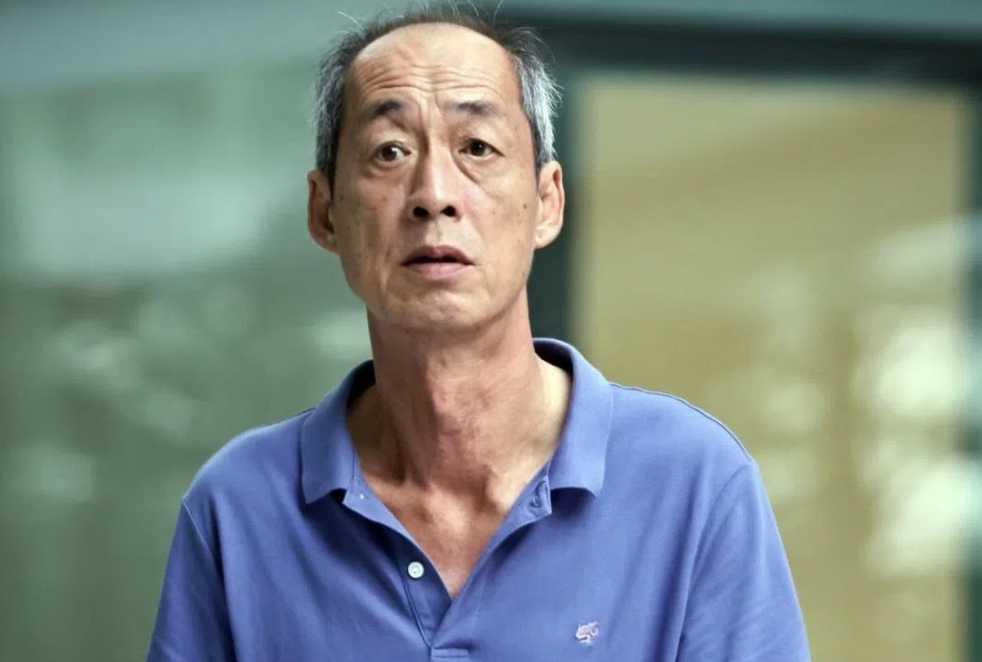
A Singapore court has handed down an eight-week jail sentence to a private bus driver whose negligence led to the death of an elderly passenger in a tragic incident at a shopping mall. Ang Oon Leng, 61, pleaded guilty to causing the death of Lee Bee Lwee, 72, through a negligent act on July 7. The case underscores serious deficiencies in driver protocol and raises questions about safety standards in the transport of domestic workers across the region.
The incident occurred on the morning of March 5, 2025, when Ang was operating a company bus responsible for ferrying cleaning staff to their workplace. His employer had engaged him specifically for this transportation service, a common arrangement in Singapore where domestic and contract workers rely on private shuttle services to reach their work sites. When the bus came to a halt at the taxi stand located at Hillion Mall on Petir Road, several passengers, including the elderly Lee, began disembarking from the vehicle.
Without performing any basic safety checks, Ang initiated movement of the bus while Lee was still in the process of exiting. Prosecutor Thaddeus Tan's account revealed a pattern of multiple failures in elementary driver responsibilities. Most significantly, Ang made no attempt to glance at the vehicle's doors to verify that all passengers had cleared the bus, nor did he bother to close the rear passenger door before proceeding. As he navigated the curved section of road, the vehicle's motion caused the partially-alighting passenger to lose her footing and fall heavily to the ground.
The impact of Lee's head striking the pavement proved devastating. The loud sound of the collision immediately alerted Ang to the emergency, prompting him to stop the bus and investigate. Upon discovering the injured passenger lying on the ground, he promptly contacted the police. Lee was transported by ambulance to the National University Hospital, where medical staff attempted to treat her critical head injury. However, she succumbed to her injuries at approximately 4pm that same afternoon.
The legal proceedings moved slowly following the incident. Ang was taken into custody on March 12, 2025, a week after the tragedy. Despite being charged, he did not appear in court until the following year, reflecting the sometimes sluggish pace of the Singapore criminal justice system. When he finally faced sentencing, the prosecutor had advocated for a lengthier custodial term of up to 12 weeks, arguing that the severity of the outcome warranted stronger punishment.
Beyond the jail term, the court imposed additional penalties and restrictions on Ang's future employment. He has been disqualified from holding or obtaining any class of driving licence for five years following his release from prison. This effectively ends his career as a professional driver for at least half a decade. Furthermore, the court ordered him to pay approximately $2,200 in compensation to Lee's dependants, a sum that acknowledges the financial and emotional harm inflicted upon her family. Should Ang fail to settle this amount, he faces an additional week of incarceration.
The prosecution's sentencing submissions provided insight into Lee's life and the broader impact of her loss. She was described as a cheerful, healthy individual who enjoyed simple pleasures such as watching television and listening to music. More importantly, she was an active member of her residential community, regularly participating in grassroots events organised by the residents' community centre near her home. Her death robbed her family of a beloved relative and her community of a valued participant.
Under Singapore law, causing another person's death through negligent conduct carries a maximum penalty of two years' imprisonment, a fine, or both. The eight-week sentence imposed on Ang fell well short of this maximum, suggesting the court considered the plea of guilt and other mitigating factors. However, the severity of his conduct—operating a vehicle without basic safety awareness of passengers—remains troubling from a public safety perspective.
This case resonates across Southeast Asia, where millions of contract workers and domestic helpers depend on private shuttle services operated by their employers. The standards governing such services, the training provided to drivers, and enforcement mechanisms vary significantly across the region. Singapore, generally regarded as having stricter regulation than many neighbouring countries, still experienced this fatal lapse in basic driver discipline. The incident raises uncomfortable questions about whether similar dangerous practices occur elsewhere in the region where oversight may be even less rigorous.
For Malaysian readers and regional observers, the case serves as a cautionary reminder of the importance of robust worker safety protocols. Employers operating employee shuttle services must ensure drivers understand fundamental safety procedures, including never moving vehicles until all passengers have fully cleared the vehicle and doors are properly secured. Regular refresher training and surprise safety audits could prevent such tragedies. The incident also highlights the need for workers themselves to be cautious when alighting from buses, particularly in a region where rapid urban development and increasing traffic create inherently hazardous environments.
The loss of Lee Bee Lwee extends beyond criminal statistics and courtroom verdicts. It represents a life cut short by a preventable act of carelessness, an elderly woman whose years of community participation and quiet happiness were terminated in an instant. Her death also leaves her dependants dealing with grief and the inadequate compensation that courts can impose on a driver with limited financial means.

