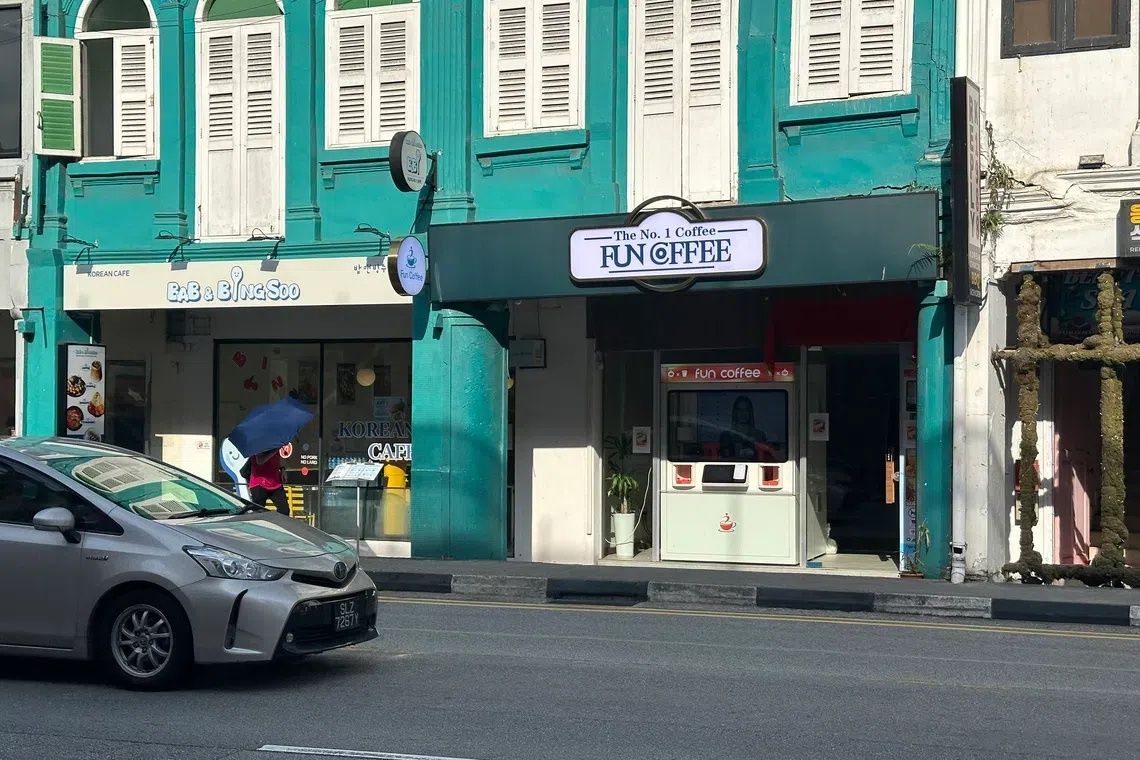
Singapore police have apprehended a 49-year-old woman in connection with Fun Coffee, an investment platform operating through a mobile application that solicits deposits in Tether cryptocurrency while dangling promises of extraordinary financial gains. The arrest on August 6, formally announced on August 8, marks the opening salvo in what appears to be a coordinated regional enforcement action against a sophisticated multilevel marketing network that has already extracted substantial sums from participants throughout Southeast Asia and beyond.
The woman's role in the operation centred on active recruitment and promotion of the Fun Coffee platform. Prospective participants were directed to download an application and transfer USDT—a cryptocurrency pegged to the United States dollar—into digital wallet addresses accessible through the platform interface. The structure mirrors classic pyramid schemes, with participants earning commissions based on the number of individuals they successfully bring into the investment circle. According to authorities, the investment plans advertised returns that defy realistic market expectations, a hallmark feature designed to lure increasingly desperate participants seeking financial windfalls.
The consequences for participants have proven dire. Singapore residents who invested in the scheme subsequently discovered they could not access or retrieve their funds through the application's withdrawal mechanisms. One documented victim invested approximately S$400,000 and has been unable to recover any portion of her capital. This pattern of frozen assets persists despite the scheme's claims of possessing over US$1 billion in assets and maintaining an operational team exceeding 5,000 people. The disparity between claimed resources and actual functionality suggests either fraudulent misrepresentation or operational collapse triggered by regulatory pressure.
The legal implications for the arrested woman are substantial. She faces charges under Singapore's Multi-Level Marketing and Pyramid Selling (Prohibition) Act, legislation specifically designed to prosecute organisers of schemes that generate revenue primarily through recruitment rather than genuine product sales or services. Conviction carries potential imprisonment up to five years, financial penalties reaching S$200,000, or both sanctions combined. This legal framework reflects Singapore's aggressive stance toward pyramid operations, positioning the city-state as increasingly vigilant against financial fraud schemes leveraging digital platforms and cryptocurrency infrastructure.
Fun Coffee itself operates from Phu Quoc in Vietnam, a jurisdiction increasingly attracting foreign-based fintech operations, many of which operate in regulatory grey zones. The enterprise presents itself as a lifestyle brand merging coffee consumption, wellness initiatives, and digital innovation within a community framework. The platform's Singapore entry point came sometime in 2025, suggesting rapid market expansion coupled with minimal local regulatory compliance infrastructure. When authorities visited the registered address at 202 Jalan Besar, they discovered only a coffee vending machine with handwritten instructions directing customers to scan QR codes for payment—a minimal physical footprint inconsistent with the claimed operational scale.
The scheme's reach extends far beyond Singapore's borders, implicating broader regional vulnerability to cryptocurrency-enabled fraud. Hong Kong and Macau authorities have concurrently apprehended eight individuals across their jurisdictions in connection with the same operation. In these two markets alone, approximately 200 victims have collectively lost nearly HK$100 million, equivalent to S$16.3 million. This coordinated enforcement activity demonstrates growing cooperation among Asian regulators recognising that digital asset schemes typically operate across borders, necessitating transnational investigative coordination and intelligence sharing.
The mechanism through which Fun Coffee extracts payments reveals calculated exploitation of user behaviour. Participants transferred cryptocurrency to wallet addresses provided through the application, creating an irreversible transaction trail typical of blockchain transfers. Cryptocurrency's pseudonymous nature and finality of transactions—coupled with absence of chargeback mechanisms available through traditional financial systems—render recovery substantially more difficult than fraud involving conventional banking channels. This structural advantage explains why cryptocurrency-based pyramid schemes proliferate despite regulatory warnings.
Singapore authorities have issued specific warnings to the public regarding payment methodologies that should trigger immediate suspicion. Private PayNow QR codes—Singapore's real-time payment infrastructure—sent through personal mobile channels rather than official business platforms warrant caution. Similarly, transfer requests directed toward overseas accounts circumvent local financial regulations and deposit insurance frameworks. These red flags represent deliberate operational choices by scheme architects seeking to evade regulatory oversight and forensic financial tracing.
The Fun Coffee case illuminates systemic vulnerabilities within the region's cryptocurrency ecosystem and the speed at which investment fraud can achieve significant participant scale. The scheme's apparent capacity to accumulate hundreds of participants investing hundreds of thousands each within months of market entry suggests sophisticated marketing mechanisms, possibly leveraging social media platforms and private messaging channels to target individuals with limited investment literacy. The psychological appeal of promised returns substantially exceeding traditional market yields remains powerful, particularly among younger demographics or those experiencing financial pressure.
For Malaysian observers, the case carries immediate relevance given the established cross-border investment patterns between Malaysia and Singapore, coupled with Malaysia's own documented experiences with cryptocurrency fraud schemes. The enforcement action underscores that no regional jurisdiction can unilaterally protect citizens from transnational digital asset fraud; regulatory cooperation and public vigilance remain essential complements to isolated enforcement actions.
Authorities warn members of the public against continued financial involvement with Fun Coffee in any capacity. Even communications purporting to originate from legitimate business representatives or official application channels should be disregarded. The fundamental reality remains unambiguous: legitimate investments do not promise unrealistic returns, do not prioritise recruitment over genuine service delivery, and do not restrict fund withdrawal capabilities. These characteristics, visible across Fun Coffee's operational architecture, confirm the enterprise as a predatory financial operation rather than a sustainable business.

