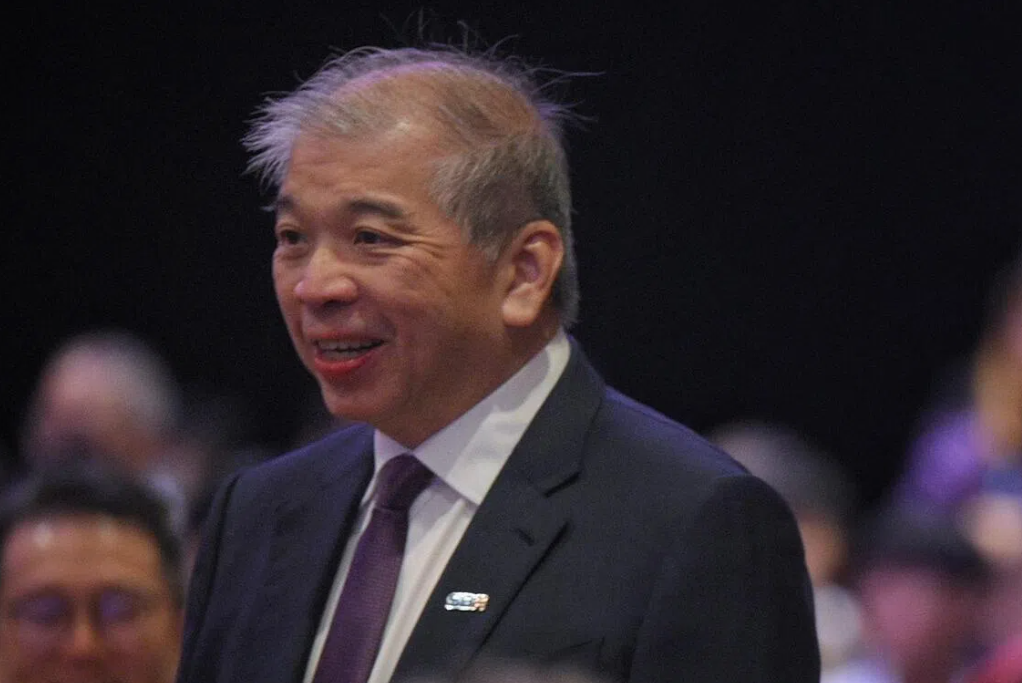
The alleged container price-fixing scandal has escalated into a new phase of legal action as private American companies file civil lawsuits against Teo Siong Seng, a prominent Singapore-based shipping magnate, and other industry executives in California federal court. The dual civil cases filed in June represent a distinct challenge to the defendants beyond the criminal indictment already handed down by the US Department of Justice, broadening the legal and financial exposure for those accused of participating in what authorities characterize as a sophisticated international cartel.
The two separate class-action filings in the District Court for the Northern District of California were initiated by C.A. Spalding Company, a manufacturing firm, and Daybreak Express, a transportation company, both seeking to recover substantial losses they attribute to years of artificially inflated container prices. This civil track exists independently from the criminal prosecution, opening a critical second front where private business interests can pursue damages through the courts rather than waiting for criminal outcomes. The mechanism of the civil lawsuit allows affected companies to seek compensation for harm suffered as a result of what they allege was a coordinated conspiracy to manipulate the global container market.
According to court documents and the underlying criminal indictment unsealed in May, the alleged conspiracy involved five major manufacturers responsible for approximately 95 per cent of worldwide standard dry container production. The implicated entities include China International Marine Containers, Shanghai Universal Logistics Equipment, CXIC Group Containers, and Singamas Container Holdings, where Teo serves as chief executive officer. Investigators determined that executives from these companies coordinated production restrictions and monitoring mechanisms to artificially constrain supply and drive prices upward, a scheme that fundamentally distorted global shipping economics during the critical post-pandemic recovery period.
The mechanics of the alleged price-fixing operation reveal a detailed and deliberate coordination among competitors. The conspirators reportedly coordinated to limit daily production shifts and operating hours across container manufacturing lines, preventing any single manufacturer from gaining competitive advantage through increased output. More remarkably, according to investigative findings, the cartel members installed 87 video surveillance cameras distributed across 49 production facilities to enforce compliance with agreed output restrictions, suggesting a sophisticated monitoring infrastructure designed to prevent cheating among cartel members. This level of operational oversight demonstrates an organised and systematic approach to maintaining price discipline across multiple manufacturing locations.
The financial impact of this alleged scheme on global commerce was substantial. Between 2019 and 2021, the price of a standard 20-foot shipping container more than doubled, rising from approximately US$1,600 to US$3,500, according to investigative evidence. For companies dependent on shipping goods internationally, particularly small and medium-sized enterprises, this dramatic cost escalation had cascading effects on supply chain economics and profitability. The timing was particularly damaging, as these years coincided with post-pandemic economic recovery when businesses were already struggling to rebuild operations and inventory levels.
The financial gains accrued by the cartel members during this period were extraordinary. CIMC, the largest of the implicated manufacturers, saw container business profits surge from approximately 137 million yuan in 2019 to 1.99 billion yuan in 2020, then balloon to 11.3 billion yuan in 2021, representing a roughly 82-fold increase over the two-year span. Singamas Container Holdings demonstrated an equally dramatic financial reversal, transforming from a US$110 million loss in 2019 to a US$186.8 million profit by 2021. These spectacular profit swings correlate directly with the period during which the alleged price-fixing operation was at its most effective, suggesting that cartel coordination was a primary driver of financial performance.
The civil lawsuits carry particular financial significance because they request treble damages, a legal remedy that multiplies actual financial losses by three. Should the defendants be found liable, they could be required to pay three times the documented losses suffered by the plaintiff companies and the broader class they represent. This mechanism, embedded in US antitrust law, serves both as compensation for victims and as a deterrent against future cartel behaviour. The cumulative exposure across all defendants could amount to hundreds of millions of dollars, given the massive scale of the global container trade during the alleged conspiracy period.
Teo Siong Seng, identified as a Singaporean national and chief executive of Singamas, has declined to comment on the civil lawsuits and their implications for his business interests and personal liability. However, the accusations have prompted significant changes to his professional commitments. At 71 years old, Teo has taken leave from multiple high-profile positions, including his role as executive chairman of Pacific International Lines, a major regional shipping company. His temporary departure extends to governance positions at the Singapore Business Federation, where he served as chairman, the Singapore Economic Resilience Taskforce, the government trade agency Enterprise Singapore, and as pro-chancellor of the National University of Singapore.
The timing of Teo's professional withdrawals reflects the gravity of the legal jeopardy he faces. He assumed the chairmanship of the Singapore Business Federation on May 20, 2025, following the early departure of his predecessor Lim Ming Yan, who stepped down to focus on his appointment as chairman of Changi Airport Group. However, on May 28, Teo announced he would not seek re-election when his term concludes on June 24, indicating he intends to step aside from this apex business chamber role entirely. This represents a significant shift from his previous tenure, during which he served three consecutive two-year terms as SBF chairman from 2014 to 2020, establishing himself as a prominent figure in Singapore's business leadership hierarchy.
In his only public statement since the allegations emerged, Teo explained his leaves of absence as proactive measures to afford himself adequate time to address the legal matters while protecting the interests of the organisations involved. The statement suggests recognition of the demands that mounting legal proceedings will place on his time and attention. Notably, Vick Ma, the Singamas marketing director and fellow defendant, faces more severe immediate consequences after his April arrest in France and the subsequent opening of extradition proceedings to the United States, a development that underscores the serious criminal component of the case.
For Malaysian and Southeast Asian business interests, this litigation carries important implications about market integrity and the risks posed by organised cartels in critical supply chain sectors. The container shipping industry remains fundamental to regional trade, with Malaysia serving as both a major shipping hub and a significant user of containerised logistics. Evidence that major manufacturers successfully coordinated to artificially elevate container costs for years raises questions about whether similar coordination may exist in other concentrated manufacturing sectors serving regional commerce. The civil litigation mechanism employed in the US also highlights how companies can seek remedies in foreign jurisdictions when harmed by cartels, potentially encouraging broader transparency and accountability in international business conduct.
The outcome of these California civil cases will establish important precedent regarding corporate and individual liability for alleged cartel participation, with implications extending throughout the shipping and logistics sectors. Should the courts impose substantial treble damages awards, the financial and reputational costs for the defendants could reshape industry incentives around competitive behaviour and collusive arrangements. The broader shipping community throughout Southeast Asia will be watching these proceedings carefully, as any finding of liability could trigger additional civil actions from affected customers in other jurisdictions, creating a cascade of legal consequences for the implicated parties.