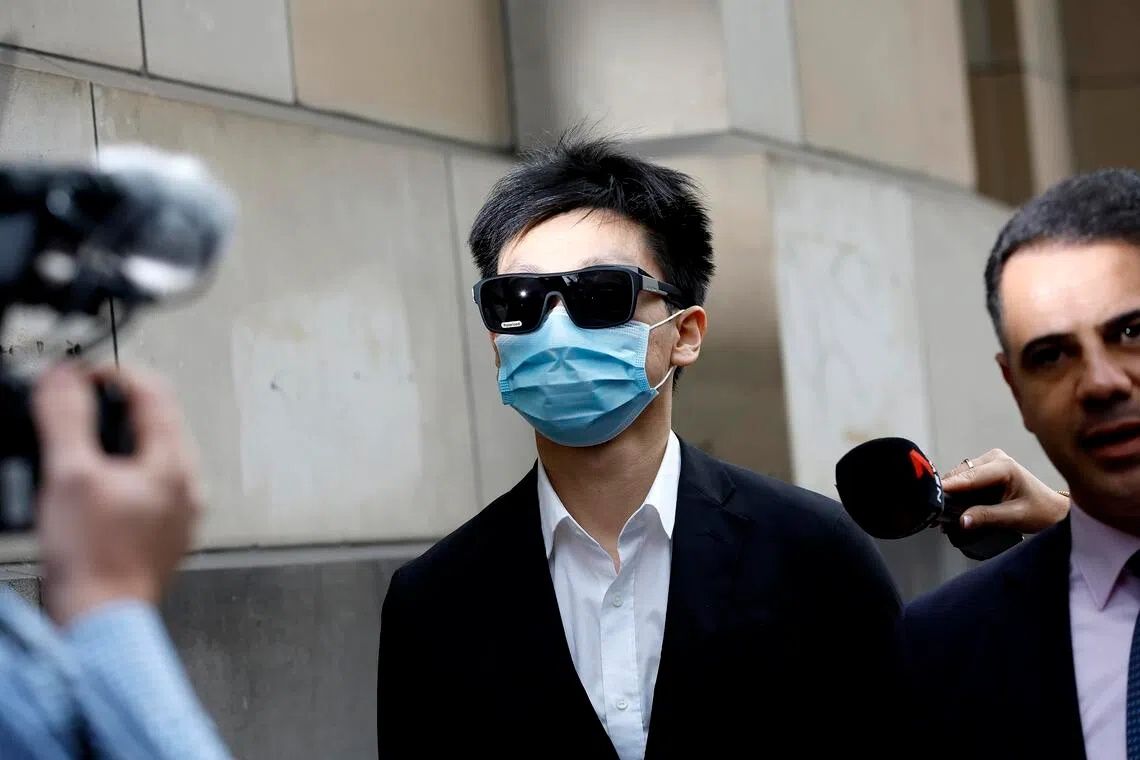
Ryan Cho, a 28-year-old trainee doctor from Singapore, entered guilty pleas at the Melbourne Magistrates Court on Thursday to 13 consolidated charges stemming from an extensive hidden camera operation targeting hundreds of hospital colleagues across three major Australian medical facilities. The shocking case has exposed significant security vulnerabilities in some of Australia's most prestigious healthcare institutions and raises troubling questions about workplace safeguarding protocols in the medical profession.
The allegations against Cho centre on his systematic secret recording of more than 500 colleagues during vulnerable moments in toilet and shower facilities at the Austin Hospital, Royal Melbourne Hospital, and Peter MacCallum Cancer Centre, where he worked between 2021 and 2025. Police investigators seized numerous electronic devices from Cho's Melbourne home, ultimately uncovering more than 10,000 video and image files documenting his victims' private moments. The sheer volume of material recovered suggests a deliberate, sustained campaign rather than isolated incidents, painting a disturbing picture of predatory behaviour within a professional medical environment.
Cho's discovery came in July 2025 when staff at the Austin Hospital found a mobile phone concealed in a mesh bag placed inside a staff toilet. This discovery triggered a comprehensive police investigation that eventually resulted in 910 charges being laid against him. Victorian police consolidated these charges into the 13 counts to which Cho pleaded guilty, including stalking, installation of optical recording devices, and producing intimate images without consent. During the brief court hearing, which lasted less than half an hour, Cho stood to confirm his guilty plea to all charges, marking a significant development in a case that has drawn considerable attention both in Australia and internationally.
Cho's medical registration was suspended by Australian health regulators in 2025, effectively ending his career in the profession before sentencing has even commenced. His arrest and subsequent legal proceedings have highlighted the potential risks posed by international medical trainees despite rigorous selection processes. Cho had arrived in Australia in 2017, completed medical training at Monash University, and received permanent residency in April 2025 just months before his arrest, suggesting that standard background checks and credential verification procedures failed to identify warning signs of his propensity for criminal behaviour.
The court heard that Cho also secretly filmed residents who shared accommodation with him during the period between 2021 and 2025, suggesting his predatory behaviour extended beyond hospital environments into his private living arrangements. Magistrate Michelle Mykytowycz acknowledged the presence of numerous victims in the courtroom and those participating via video link, underscoring the widespread impact of Cho's offences across the healthcare workforce. The magistrate expressed satisfaction with the sufficiency of evidence against Cho, stating that a jury could reasonably convict on the charges presented.
Cho's father, Wilson Cho, a logistics manager from Singapore, attended the court proceedings and was reportedly unaware of his son's alleged criminal conduct. Earlier bail hearings revealed that both parents have committed to living in Melbourne throughout the legal proceedings to ensure their son's compliance with stringent bail conditions. The family has posted a A$50,000 surety to secure Cho's bail pending sentencing, and both parents previously stated their intention to support their son through the judicial process, though the nature and extent of that support remains unclear given the severity of the charges.
Bail conditions imposed on Cho represent amongst the strictest typically encountered in Australian criminal law. He must report to police three times weekly, maintain no contact whatsoever with any witnesses or potential witnesses, and refrain from attending any hospital except in genuine emergency situations without prior police approval. Additionally, Cho has surrendered his passport and faces restrictions on possessing photographic or video devices outside his home, though the enforcement of such conditions raises practical questions about monitoring and compliance verification in a domestic setting.
Cho's legal representation has characterised him as a "complicated young professional man" with what are almost certainly "complex psychological issues" requiring appropriate medical intervention. His barrister, Julian McMahon, highlighted the absence of prior criminal convictions, though this observation provides little reassurance to the hundreds of individuals who became unwitting subjects of his secret recordings. The description suggests potential mental health factors that may feature prominently during sentencing proceedings, where defence counsel will likely pursue mitigation based on psychological disturbance rather than predatory intent.
The pre-sentence hearing is scheduled to commence on November 23 and will span three days at Melbourne's County Court. During this crucial phase, the court will receive comprehensive impact statements from victims, allowing them to articulate the profound psychological harm caused by Cho's invasive behaviour. These statements typically carry substantial weight in sentencing considerations, and the scale of victimisation in this case—involving over 500 individuals—suggests exceptionally severe impacts on workplace confidence and institutional trust across multiple major hospitals.
Beyond the criminal proceedings, approximately 100 victims, predominantly women, have lodged human rights complaints with the Australian Human Rights Commission against the three hospitals, alleging sexual harassment and discrimination in workplace safety practices. These civil actions represent a parallel legal pathway through which victims seek institutional accountability and potentially substantial compensation for workplace violations. Tony Carbone, managing partner at Carbone Lawyers representing the complainants, has indicated expectations that additional hospital employees may join the human rights complaint process, suggesting the case could expand significantly and impose further reputational and financial consequences on the affected institutions.
The case carries implications extending well beyond Australia's borders. For Malaysian healthcare professionals and institutions, the incident underscores the necessity of robust background verification processes for international medical trainees, enhanced workplace surveillance in sensitive facility areas, and comprehensive staff awareness training regarding potential security threats. The systemic failures that permitted Cho's activities to continue undetected across three major hospitals raise serious questions about institutional accountability and whether Australian medical regulatory bodies adequately assess the psychological suitability of international candidates before granting training placements. Malaysian healthcare authorities may consider whether similar vulnerabilities exist domestically and what preventive measures should be strengthened.

