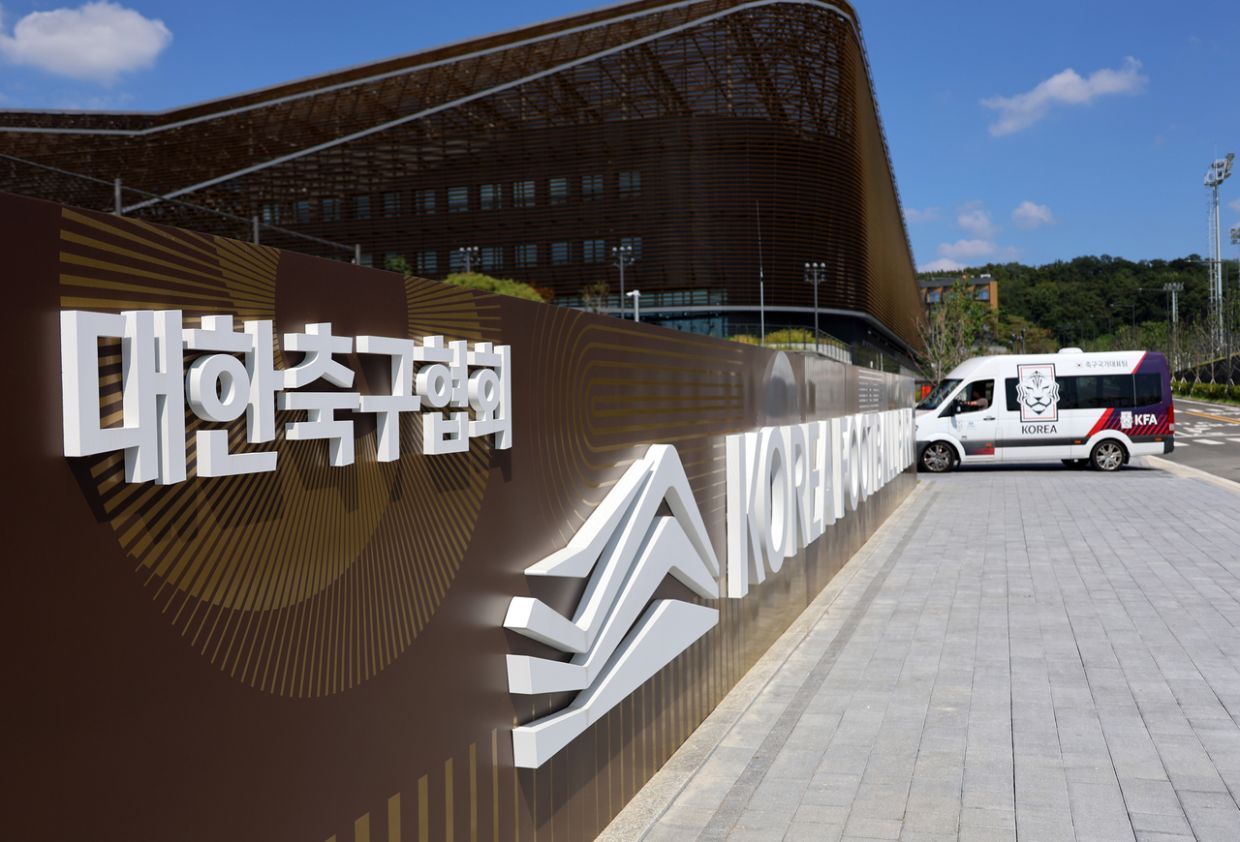
The Korea Football Association's admission of wrongdoing over alleged sexual bribery involving foreign referees has triggered a cross-border investigation, with Japanese authorities now examining the involvement of at least four of their own officials. The controversy, which centres on corporate entertainment at massage parlours dating back over a decade, threatens the reputation of both national bodies and raises uncomfortable questions about governance in Asian football at a time when the region seeks greater prominence on the global stage.
Japan's Football Association confirmed it is scrutinising the four Japanese referees suspected of being recipients of improper entertainment during their involvement in South Korean football matches. The investigation was reported by Kyodo News on Sunday, with the JFA pledging to make its findings public once the inquiry concludes. This development represents a significant escalation of the scandal beyond Seoul's immediate control, suggesting the conduct may have involved complicity or knowledge among multiple football authorities in the region.
At the heart of this widening controversy lies a 2016 audit conducted by South Korea's Ministry of Culture, Sports and Tourism that resurfaced this month following an investigative report by broadcaster JTBC on August 6. The audit documented a pattern of questionable expenditures over a 12-month period from March 2011 to March 2012, a timeframe that coincided with several critical matches for South Korea's national team. The sheer specificity of the allegations—eight separate occasions involving corporate credit card transactions—suggests systematic rather than isolated conduct, raising concerns about institutional knowledge and oversight failures at the KFA.
The alleged misconduct extended to roughly ten foreign referees and match commissioners who were entertained at massage parlours in connection with seven matches played on South Korean soil. These fixtures comprised three World Cup qualifiers and Olympic preliminaries alongside four friendly internationals, representing matches of varying importance to the national team's competitive calendar. During this period, South Korea's team compiled a record of five wins, two draws, and no defeats across these seven encounters, a strong showing that inevitably fuelled speculation about whether results had been artificially influenced through improper means.
South Korean football officials have flatly rejected suggestions that match outcomes were predetermined or corrupted through these entertainment payments. However, the very fact that such suspicions have emerged underscores the reputational damage inflicted by the conduct, regardless of whether referees' decisions were actually compromised. In Asian football, where governance standards are under constant international scrutiny, such allegations strike at the credibility of competitions and the integrity of the sport itself. For Malaysian readers familiar with Southeast Asia's own football governance challenges, this scandal illustrates how quickly institutional trust can erode when transparency and proper oversight mechanisms fail.
The KFA issued a public apology on Saturday, acknowledging the gravity of the situation amid escalating pressure from multiple quarters. A parliamentary hearing into the association's governance had already been scheduled, and police conducted a raid on KFA offices the previous week in connection with a separate controversy involving the 2024 appointment of former national team coach Hong Myung-bo. The apology statement expressed deep regret for the disappointment and concern generated by accumulated controversies, while the association committed itself to sweeping reforms designed to restore public confidence and transparency in its operations.
Some Japanese news outlets have already published the names of two referees allegedly implicated in the audit findings. One of these individuals currently holds a senior position within Japanese football administration, serving as a referee manager responsible for overseeing J-League officials. The other previously captained an all-Japanese four-person refereeing crew for South Korea's 2012 World Cup qualifier victory over Kuwait, a match the audit specifically identifies as involving entertainment payments to two match officials. Nevertheless, Japanese commentators have cautiously noted that simply officiating a match does not necessarily confirm an individual referee personally received the alleged entertainment.
The question of international sanctions looms large over the unfolding investigation, though legal experts and football governance analysts express scepticism about FIFA's willingness to pursue formal disciplinary action. FIFA's ethics code typically enforces statutes of limitation ranging from five to ten years, meaning conduct from 2011-12 likely falls outside the window for conventional violations. The conduct itself may not align neatly with FIFA's narrower, non-expiring category reserved for sexual abuse or exploitation, creating legal ambiguity about how international football's governing body might classify and address such misconduct. Additionally, many of the referees named in connection with the audit have since retired from active service, further complicating any potential enforcement action.
A separate criminal investigation pursued by South Korean authorities regarding these same allegations previously concluded without charges, citing insufficient evidence to support prosecution. This outcome suggests the paper trail, witness testimony, or documentary proof available to investigators was insufficient to meet criminal law thresholds, even as documentary evidence from the internal audit proved adequate to establish an institutional pattern. The distinction between administrative wrongdoing and criminal conduct remains crucial, as does the question of how long organisations and nations should be held accountable for actions undertaken by officials from the pre-social media era.
For Malaysian and broader Southeast Asian football communities, this scandal offers cautionary lessons about institutional governance and the importance of robust oversight mechanisms. The region's footballing bodies operate in a competitive environment where international credibility directly influences hosting opportunities, player recruitment, and commercial partnerships. When organisations like the KFA face sustained reputational damage, the entire region's football ecosystem suffers reduced standing in global forums. The Japan Football Association's willingness to investigate its own officials suggests a commitment to addressing the problem transparently, yet the involvement of multiple nations and the cross-border nature of the inquiry highlight how interconnected modern football governance has become.
Looking ahead, the question of whether this scandal will catalyse meaningful reform in Asian football administration remains open. The KFA's pledged reforms may prove substantive or merely cosmetic, depending on whether they include independent oversight, transparent financial reporting, and meaningful consequences for compliance failures. Similarly, FIFA's response—or lack thereof—will signal whether international football's governing structures can adequately address institutional misconduct that falls outside traditional corruption categories. For Asian football aspirations to succeed on the world stage, governance standards must match the ambitions of the region's clubs and national teams.

