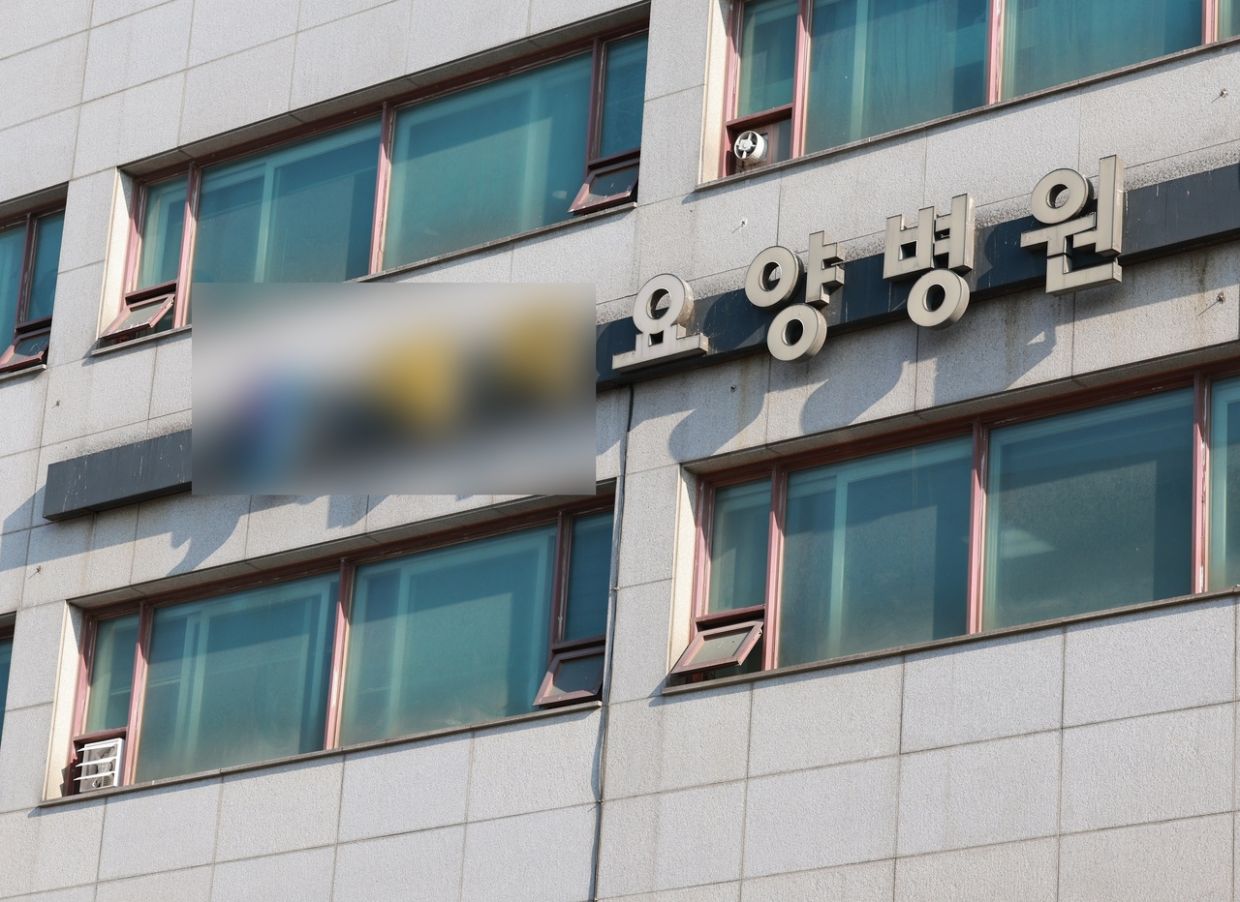
Police in South Korea's Incheon city have concluded their initial investigation into an unusual case involving a human leg found at a recycling centre on June 10, confirming that the body part was mistakenly thrown away as general waste by a Jung-gu nursing hospital rather than being disposed of through proper medical waste channels. The discovery, which occurred at the Southern Regional Resource Recovery Centre around 2.28pm, triggered a formal inquiry that has now raised serious questions about healthcare facility protocols and waste management compliance in the country.
The leg had been amputated from an elderly female patient in her 80s who was receiving care at the nursing facility. According to Incheon Yeonsu Police Station officials, a member of the hospital's cleaning staff—a person in their 60s—inadvertently placed the amputated limb among recyclable waste materials, apparently believing it to be part of a medical mannequin used for training purposes. While this explanation suggests an honest mistake rather than deliberate misconduct, the incident has exposed what investigators describe as a serious breach in institutional waste segregation procedures that are fundamental to safe hospital operations across all healthcare settings.
The identification process involved multiple stages of forensic analysis. The National Forensic Service initially examined the leg and confirmed it was a human body part from an adult. Subsequently, hospital staff voluntarily reported the incident to authorities, providing information that led investigators to the Jung-gu facility as the likely source. DNA analysis conducted by the NFS then established a definitive match with the female patient, conclusively linking the discovered limb to the nursing home and resolving any uncertainty about its origin.
Investigators have determined that the incident did not involve foul play or criminal activity related to the amputation itself, yet the hospital still faces potential legal consequences under South Korea's Wastes Control Act, which contains explicit requirements governing the segregation and disposal of medical waste. The legislation mandates that hospital staff use government-designated containers for medical waste, with specific protocols designed to prevent exactly the kind of contamination and safety hazards that this case illustrates. Police are now examining whether the facility properly adhered to these regulatory obligations when disposing of the amputated leg.
Beyond waste management violations, the inquiry has expanded to examine potential breaches of the Medical Service Act concerning the amputation procedure itself. An allegation has emerged suggesting that the Jung-gu nursing hospital may lack the necessary surgical equipment and facilities required to perform amputations, which would represent a significant violation of medical standards if substantiated. Such a discovery would indicate that the patient either underwent surgery at an improperly equipped facility or that documentation regarding where the amputation occurred may be inaccurate or incomplete.
Police officials remain cautious about drawing definitive conclusions regarding potential criminal penalties under the Medical Service Act. A spokesperson stated that investigators have not yet identified a specific statutory clause that would mandate criminal punishment for any violations that may have occurred. This reflects the complexity of Korean healthcare law, where regulatory breaches do not always translate directly into prosecutable criminal offenses—a distinction that often depends on the severity and nature of the violation, as well as whether it resulted in demonstrable harm to the patient.
The investigation process now enters a consultation phase, with police indicating they will seek guidance from multiple authoritative bodies before reaching final conclusions. The Korean Medical Association, the Ministry of Health and Welfare, and legal specialists will be consulted to clarify the applicable regulatory framework and to determine what, if any, criminal charges might be appropriate. This collaborative approach reflects the technical complexity of medical law and the importance of ensuring that any enforcement action is proportionate and legally sound.
Background information gathered during the investigation revealed important context regarding the patient's medical journey. According to testimony from her family members, the elderly woman had been admitted to the Jung-gu nursing hospital after several other hospitals declined to accept her as a patient, citing her severe medical deterioration. This detail suggests that the facility may have accepted a patient in critical condition without having all the specialized capabilities typically required for comprehensive care, raising broader questions about admission standards and resource allocation in South Korean nursing homes.
The incident underscores vulnerabilities in waste management systems that extend beyond individual hospital errors. The discovery of human remains at a public recycling facility highlights potential gaps in the chain of custody for hazardous medical waste and raises public health concerns about cross-contamination. For healthcare facilities across South Korea and the region, this case serves as a cautionary reminder of the importance of staff training, clear institutional protocols, and oversight mechanisms designed to ensure that medical waste never enters conventional waste streams where it might pose risks to sanitation workers and the general public.
For Malaysian and Southeast Asian hospitals operating under similar regulatory frameworks, this South Korean case provides instructive lessons about the consequences of inadequate waste segregation procedures. Many countries in the region maintain comparable medical waste legislation, yet compliance rates vary significantly, and enforcement mechanisms are often inconsistent. The Incheon case demonstrates that even relatively wealthy healthcare systems with established regulations can experience systemic failures when institutional discipline and staff awareness prove insufficient.

