South Korean investigators have intensified scrutiny of the Gwangju police force by raiding its chief's office, marking a significant escalation in a corruption probe that threatens to expose systemic institutional failures within the country's law enforcement community. The National Office of Investigation, operating under the National Police Agency, assembled a dedicated task force to examine allegations that personnel at the southwestern city's police department conspired with the father of a murder suspect—himself a serving police officer—to interfere with a criminal investigation into the death of a high school student in May.
The coordinated search operations on Saturday targeted multiple locations, including the offices of both the Gwangju Police Agency's commanding officer and the chief of Gwangju Gwangsan Police Station, alongside five additional sites suspected of holding relevant documents or evidence. This broad-based approach reflects investigative concerns that corruption may have permeated multiple levels of the local police hierarchy rather than involving isolated misconduct. The specific allegations centre on the destruction or concealment of evidence and the unauthorised disclosure of sensitive investigative materials, practices that fundamentally undermine public confidence in law enforcement's impartiality and professionalism.
The intensity of the investigation became apparent when authorities arrested the lead detective handling the original murder case earlier in the week, citing concerns that he posed an ongoing risk of tampering with evidence or obstructing the inquiry. His detention signals that investigators believe senior officers may have pressured or incentivised personnel to compromise investigative integrity. For Malaysia's police force and regional law enforcement agencies, the case underscores the critical importance of institutional safeguards preventing cases from being compromised when suspects have familial connections to serving officers.
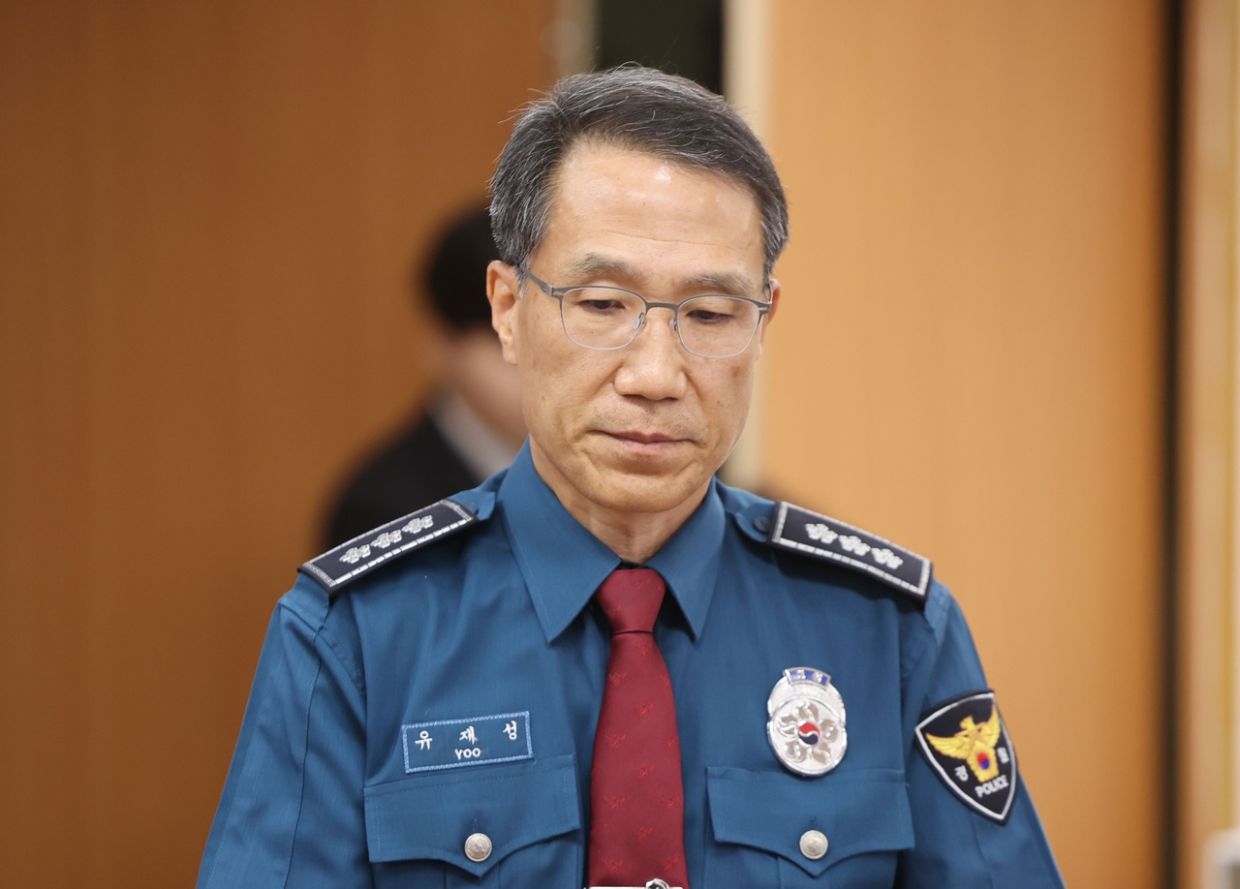
The scandal prompted Acting National Police Agency Commissioner Yoo Jae-seong to abandon an official visit to the United States and return to Seoul on Friday, a move that conveyed the gravity with which senior police leadership views the allegations. In a public statement, Commissioner Yoo expressed remorse to both the victim's family and the broader Korean public, acknowledging the profound breach of public trust. His commitment to pursuing accountability for those responsible provided some reassurance that the agency recognises the existential reputational threat posed by institutional corruption, though victims' advocates have questioned whether words alone suffice without concrete structural reforms.
Parallel to the police investigation, South Korea's prosecution service has opened its own independent inquiry into how Gwangju police handled the murder case, creating dual oversight mechanisms that aim to prevent either institution from shielding wrongdoing. This prosecutorial involvement is significant because it reduces the possibility that police might limit their own accountability and allows external judicial scrutiny of investigative processes. For Southeast Asian countries grappling with similar challenges around police independence and integrity, the parallel investigation model demonstrates the value of prosecutorial checks on law enforcement decision-making.
The case reflects broader concerns about police corruption in jurisdictions where family relationships or personal networks can potentially compromise official duties. When a suspect's parent is a police officer within the same agency, structural conflicts of interest emerge that standard procedures may inadequately address. The alleged destruction of evidence and improper access to case files are particularly troubling because they strike at the foundation of judicial fairness—the assumption that investigative materials are preserved objectively and that investigative information remains confidential until trial.
For Malaysian observers, the case provides important lessons about institutional vulnerability. Police forces across the region must grapple with how to prevent serving officers from leveraging their positions to protect family members suspected of serious crimes. Many organisations lack clear protocols for recusal or removal of personnel from cases involving relatives, creating opportunities for exactly the kind of misconduct that unfolded in Gwangju. Transparent conflict-of-interest policies, regular integrity audits, and robust internal affairs divisions become essential safeguards.
The murder of the high school student and the subsequent mishandling of that case have generated significant public outcry in South Korea, amplifying pressure on authorities to demonstrate that police corruption will trigger swift and unsparing consequences. Media coverage has highlighted the apparent indifference of some officers to the victim's family's pursuit of justice, framing the scandal as a failure not merely of individuals but of institutional culture. This reputational damage extends beyond Gwangju, prompting national reflection on policing standards throughout South Korea.
The investigation's scope and speed suggest that South Korea's leadership recognises that permitting such corruption to fester unchecked would further erode public confidence in law enforcement at a critical moment for institutional legitimacy. The formation of a dedicated task force, the arrest of the lead investigator, and the prosecution's parallel inquiry all indicate determination to pursue accountability thoroughly. Whether these measures ultimately prove sufficient to restore public trust will depend on whether investigations culminate in prosecution and sentencing for those involved, rather than quiet administrative discipline or early retirement.
Regional police forces would be wise to examine their own policies regarding cases involving officers' relatives, the security protocols protecting investigative files, and the independence of internal affairs divisions from operational command structures. The Gwangju case demonstrates that corruption flourishes when institutional oversight is weak and when personal relationships can override professional obligations. Strengthening these safeguards requires political will, adequate resourcing, and a cultural commitment to prioritising justice for victims over protecting colleagues or their families.
As South Korea's investigation proceeds, the outcome will likely set precedents influencing how other police agencies throughout East and Southeast Asia approach similar scandals. Should prosecutors secure convictions against the police officers involved, it would signal that institutional corruption carries serious personal consequences. Conversely, lenient outcomes could reinforce perceptions that police forces protect their own, perpetuating the institutional cynicism that allows misconduct to proliferate.

