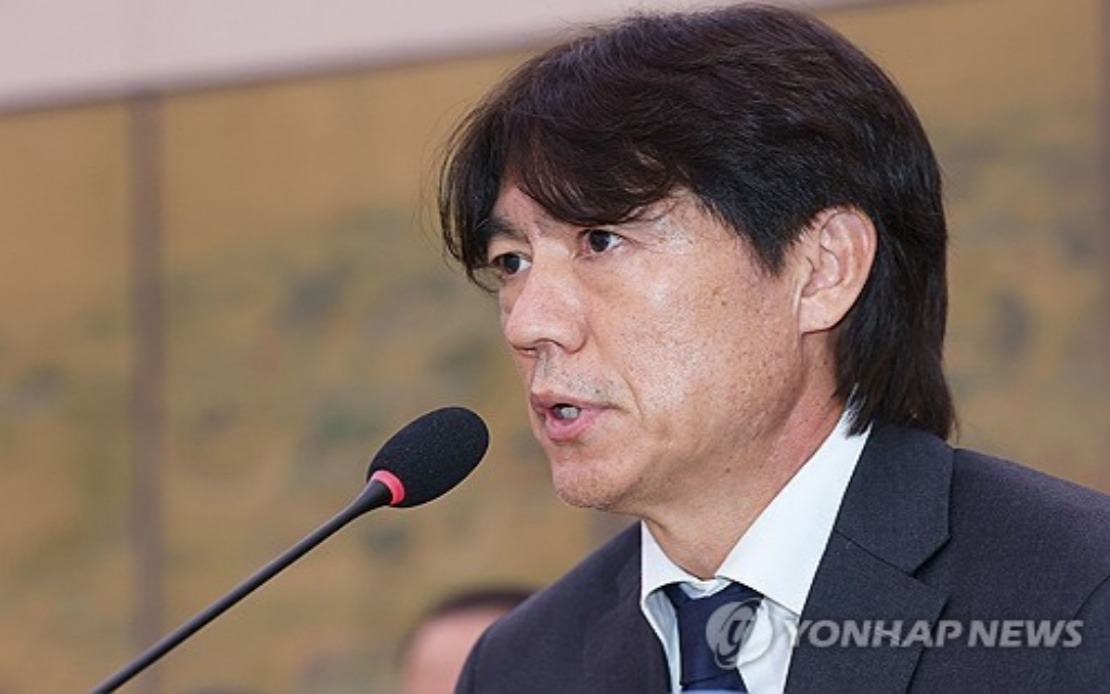
South Korean authorities descended on the Korea Football Association's offices in a significant escalation of an ongoing investigation into whether senior federation officials improperly orchestrated the appointment of former men's national team head coach Hong Myung-bo. The simultaneous searches of the KFA's headquarters in Cheonan, located approximately 90 kilometres south of Seoul, and its administrative facility in central Seoul represented a tangible attempt to uncover potential wrongdoing within one of the country's most prominent sporting institutions. The raids came as investigators sought to secure documents that might reveal the extent to which federation leadership overstepped established protocols in hiring Hong for the position in July 2024.
The appointment at the centre of this controversy had already drawn considerable public scrutiny and official criticism even before the police action. Hong, whose previous tenure as national team coach had ended in disappointment following South Korea's group-stage elimination from the FIFA World Cup, was brought back into the fold through a process that critics contend lacked transparency and adherence to standard hiring procedures. The circumstances surrounding his rehiring became particularly contentious, with allegations emerging that he was offered the position by Lee Lim-saeng, a former technical director with no formal authority over coaching appointments, in an informal setting near Hong's residence.
The investigation's focus centres on potential misconduct by senior federation officials, most prominently former KFA chief Chung Mong-kyu and the aforementioned Lee Lim-saeng. Prosecutors and investigators are examining whether these individuals and others unlawfully interfered in what should have been an impartial and properly documented selection process. The questions being pursued touch on fundamental governance issues within the federation, including whether appropriate vetting, competitive evaluation, and institutional approval mechanisms were bypassed or deliberately circumvented to facilitate Hong's appointment.
Public concern regarding these irregularities has become sufficiently pronounced that a civic advocacy group formally lodged a complaint against both Hong and Chung, alleging multiple violations including obstruction of duties, breach of trust, coercion, and intimidation related to the appointment circumstances. Such allegations, if substantiated, would represent serious breaches of public trust and professional conduct standards. The decision by ordinary citizens to initiate formal complaints underscores broader dissatisfaction with how the federation has managed its affairs and the perception that established rules and procedures had been disregarded.
While the present police action might appear sudden, the investigation itself possesses considerable historical depth. Authorities initially commenced their inquiry approximately two years prior, suggesting that concerns about the appointment's legitimacy had surfaced relatively quickly after Hong's hiring. The case had, however, lain dormant without prominent public attention until South Korea's disappointing performance and elimination from the World Cup provided renewed impetus to scrutinise the decisions that placed Hong in that position. This pattern of dormant investigations suddenly gaining momentum following high-profile sporting failures is not uncommon in South Korean sports governance.
The investigation entered an active phase when police formally questioned Hong as a suspect in the case on Tuesday, marking a clear intensification of the probe. This development signalled that investigators had accumulated sufficient preliminary evidence or concerns to warrant treating the former coach as a person of interest rather than merely a witness to procedural irregularities. Such a shift in investigative posture typically indicates that authorities believe Hong may have engaged in or benefited from deliberate misconduct rather than being an innocent party to administrative failures.
Parliamentary oversight mechanisms had also been mobilised in this matter, with lawmakers convening a hearing to question both Hong and Chung regarding a comprehensive range of federation-related issues extending beyond the appointment itself. During this legislative examination held late in the previous month, elected representatives pressed both men on matters of institutional management, financial stewardship, and governance practices. The parliamentary intervention demonstrated that concerns about federation conduct had transcended law enforcement circles and reached the legislative branch, indicating the matter's significance within national political and sporting discourse.
For Malaysian observers and regional sports governance experts, the South Korean case illustrates the vulnerabilities present even in well-established sporting institutions when decision-making processes lack appropriate checks, balances, and transparency mechanisms. The apparent ease with which senior officials could allegedly override or circumvent standard appointment procedures serves as a cautionary example of how concentrated authority without adequate oversight can manifest in abuse or irregularity. Regional sporting federations in Southeast Asia, including Malaysia's own football governing bodies, would do well to examine whether their appointment protocols contain sufficient safeguards against similar concentrations of discretionary power.
The broader implications extend to questions about accountability within sports administration across Asia. South Korea's willingness to deploy law enforcement resources to investigate potential misconduct within a national sporting federation, coupled with legislative scrutiny, suggests a commitment to institutional accountability. However, the fact that such serious investigations become necessary only after public reputational damage and sporting failure underscores gaps in preventive governance measures. Establishing robust internal compliance systems, transparent appointment procedures, and regular independent audits could potentially prevent such crises from developing in the first place.
The investigation also carries implications for Hong's future in football management and for the reputation of South Korean football administration more broadly. Should the investigation substantiate allegations of misconduct, it would represent a significant stain on the federation's credibility during a period when the national team requires stable, principled leadership to recover from World Cup disappointment. Conversely, if investigations ultimately reveal that appointment procedures, while unconventional, did not involve illegal conduct, it would vindicate current federation leadership but would not necessarily address underlying governance weaknesses that the controversy has exposed.
As this investigation proceeds, it serves as a prominent example of the intersection between sporting governance, political accountability, and public administration standards. The case demonstrates that even prominent national institutions cannot operate beyond scrutiny when their decision-making processes appear questionable or bypass established norms. For Southeast Asian football and broader sporting communities, the South Korean situation underscores the importance of maintaining transparent, consistently applied procedures in institutional leadership, regardless of political or sporting pressures that might otherwise encourage taking shortcuts.

