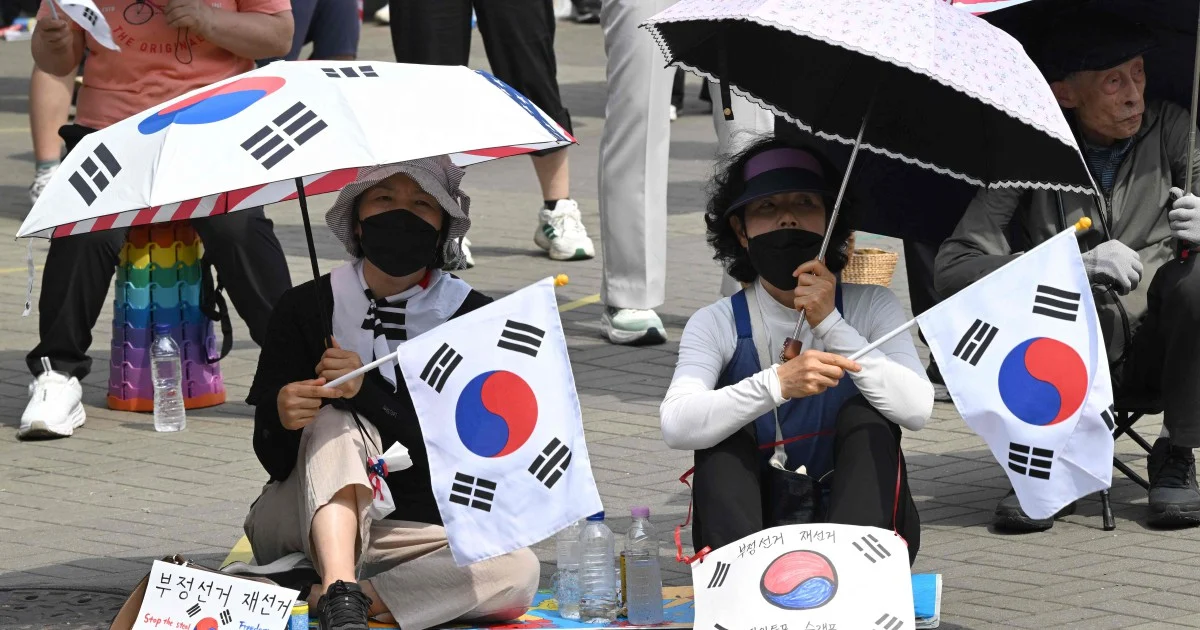
South Korea's parliamentary body has moved to formally scrutinise the National Election Commission's handling of a critical logistical failure that marred the country's recent local elections. The decision, reached during a Thursday plenary session, authorises a 45-day investigative period designed to establish how ballot paper shortages compromised the conduct of voting in the June 3 elections across the nation.
The ballot shortage incident represents a significant administrative embarrassment for South Korea, a democracy with well-established electoral systems and processes. When voters arrived at polling stations on election day, many encountered limited ballot supplies, creating congestion and frustration. The disruption raised questions about the Election Commission's capacity to manage fundamental aspects of democratic participation, particularly the provision of adequate materials for casting votes.
This investigation underscores growing parliamentary concern about institutional accountability within South Korea's electoral apparatus. The decision to conduct a formal 45-day inquiry signals that lawmakers across the chamber view the incident as sufficiently serious to warrant structured oversight and detailed examination. Such probes typically involve reviewing administrative procedures, supply chain management, and contingency planning to identify where systems failed.
The National Election Commission bears primary responsibility for administering elections in South Korea, from voter registration to ballot printing and distribution. The June 3 shortages suggest potential weaknesses in demand forecasting, production capacity, or distribution logistics—critical functions that must operate seamlessly to ensure democratic processes function without impediment. Understanding these failures becomes essential for preventing recurrence in future electoral cycles.
For Malaysian observers, the incident offers instructive lessons about electoral administration at scale. Like South Korea, Malaysia conducts periodic national and state-level elections requiring sophisticated logistical coordination across numerous polling centres. Both nations' electoral systems depend on accurate advance planning and reliable execution. The South Korean experience demonstrates how even developed democracies can experience operational hiccups when organisations underestimate demand or fail to implement robust contingency measures.
The timing of this parliamentary investigation also reflects broader concerns about institutional performance and public confidence in electoral mechanisms. When citizens encounter difficulties voting—whether through insufficient ballots or other administrative obstacles—it undermines trust in democratic institutions and raises questions about an election's legitimacy. South Korea's parliament appears cognisant that swift investigative action and demonstrated accountability can help restore public confidence in the electoral process.
Parliamentary investigations of this nature typically examine multiple dimensions of the failure. Lawmakers will likely scrutinise the Commission's pre-election planning documents, capacity assessments, and communications with regional election offices responsible for distributing materials. They may also investigate whether staffing levels were adequate for the anticipated voting volume and whether training protocols prepared officials for handling supply constraints.
The 45-day timeframe represents a structured but expedient approach to investigation. This duration allows sufficient time for thorough document review and witness testimony while maintaining momentum and public attention on the issue. The findings will likely generate recommendations for institutional reforms, resource allocation changes, or procedural modifications intended to prevent similar disruptions.
Regionally, South Korea's approach to electoral oversight demonstrates how mature democracies navigate institutional failures. Rather than dismissing the incident as isolated or inevitable, the parliament has initiated formal accountability mechanisms. This contrasts with some electoral administrations that might attempt to minimise or ignore such problems. The South Korean model emphasises transparency and institutional improvement through structured review processes.
For Malaysia and other Southeast Asian democracies, the South Korean precedent highlights the importance of robust supply chain management within electoral bodies. Ballot shortages, whether in Seoul or Kuala Lumpur, represent failures of basic planning and execution that can undermine electoral legitimacy. Regular capacity audits, stress testing of logistical systems, and detailed contingency protocols become essential safeguards.
The investigation's outcomes will likely extend beyond identifying problems to proposing practical solutions. These might include revised demand-forecasting methodologies, expanded ballot production schedules that build in surplus capacity, or decentralised printing arrangements that reduce dependence on centralised facilities. Such reforms would strengthen the National Election Commission's operational resilience.
Beyond the immediate institutional implications, this inquiry reflects South Korean society's expectation that public bodies operate efficiently and transparently. The parliament's willingness to investigate—and the Election Commission's apparent willingness to submit to scrutiny—demonstrates democratic accountability in action. For developing democracies in Southeast Asia, such institutional checks and openness to review represent important components of democratic maturation.
As South Korea's parliament commences its 45-day examination, the investigation promises to generate detailed insights into electoral administration challenges and solutions. Whether the ballot shortage was a simple planning oversight or symptomatic of deeper organisational weaknesses will emerge through the investigative process. The findings will likely inform not only South Korea's electoral practices but also offer valuable benchmarks for comparable democracies navigating similar institutional pressures.