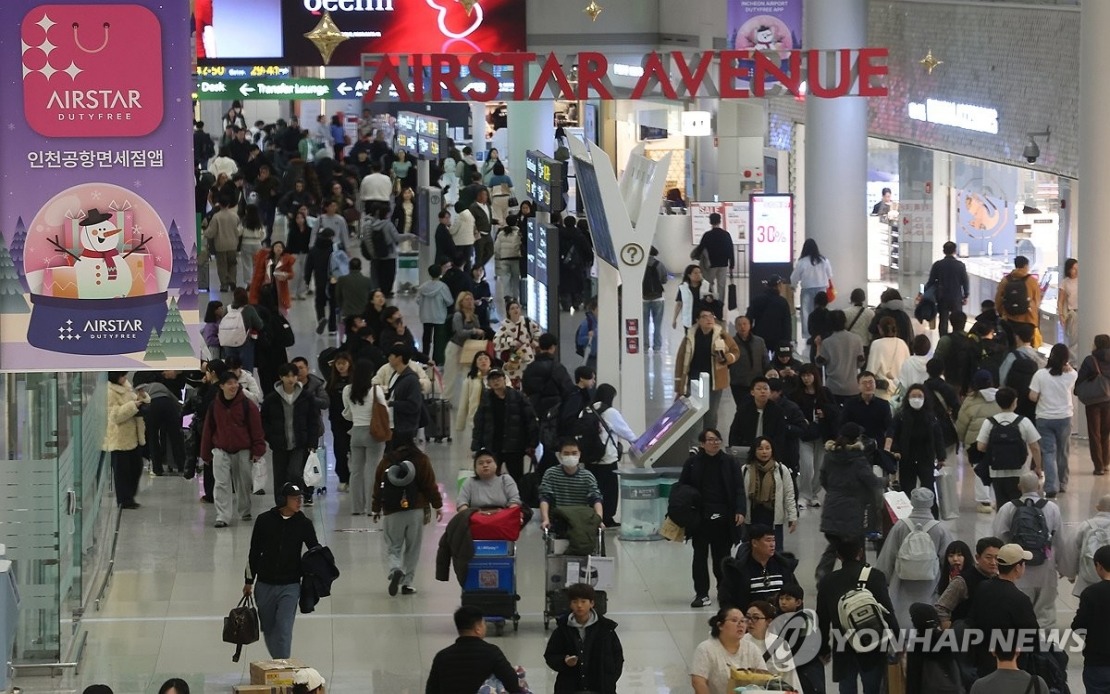
South Korea's tourism sector is experiencing a remarkable surge, with the country welcoming more than 10 million foreign visitors by the third weekend of June—roughly a month ahead of schedule compared to last year's mid-July milestone. This accelerated trajectory suggests the nation is positioned to achieve its highest annual visitor count on record, reflecting a dramatic rebound in international travel demand following post-pandemic uncertainties.
The breakthrough timing underscores the strength of inbound tourism momentum. This marks the first occasion that South Korea has crossed the 10-million-visitor threshold within the first six months of any calendar year, according to the Ministry of Culture, Sports and Tourism. The acceleration becomes even more significant when considering that international arrivals faced headwinds from elevated aviation fuel surcharges tied to Middle East tensions, yet still managed to grow 21 percent year-on-year through May.
May alone demonstrated the vigour of the recovery, with nearly 1.95 million arrivals recorded—a 19.4 percent jump from the equivalent month in the previous year. This consistency suggests the surge reflects genuine structural demand rather than isolated spikes. The diversity of origin countries indicates South Korea's appeal spans multiple geographic markets and tourism segments, from cultural enthusiasts to business travellers and leisure seekers.
Chinese tourists emerged as the dominant visitor group in May, accounting for 560,000 arrivals—nearly double the Japanese contingent of 360,000 and substantially exceeding American visitors at 210,000. This composition reflects China's outbound tourism capacity and the deep cultural and commercial ties between Seoul and major Chinese cities. The prominence of Chinese travellers carries economic significance for Korean hospitality, retail, and service sectors, which have traditionally catered to this demographic.
Notably, tourism growth is no longer concentrated in Seoul and the metropolitan region. Regional airports recorded a steady upward trajectory in foreign arrivals, climbing from 230,000 in January to 360,000 by May. This geographic diversification benefits provincial economies and reduces infrastructure strain on the capital, while encouraging visitors to explore South Korea's broader cultural and natural attractions beyond the city centre.
Foreign visitor spending patterns have shattered previous records, with card expenditures—including online transactions—totalling 2.12 trillion won (approximately US$1.38 billion) in May alone. Remarkably, this represented the first month since 2018, when tracking began, in which monthly spending exceeded the 2-trillion-won threshold. The figure signals both higher visitor volumes and increased per-capita spending, suggesting tourists are engaging more deeply with the South Korean economy through shopping, dining, and entertainment.
For Malaysia and other Southeast Asian nations, South Korea's tourism resurgence offers both competitive and collaborative insights. The successful marketing strategy leveraging cultural exports—particularly K-pop and entertainment—demonstrates how nations can monetise soft power. Malaysian tourism authorities might examine South Korea's approach to regional airport development and visitor dispersal, which could inform similar strategies across Peninsular Malaysia and East Malaysia.
The Korean government has explicitly signalled its intention to sustain this momentum by deepening partnerships with private-sector stakeholders. Kang Jung-won, head of the Ministry of Culture, Sports and Tourism's tourism policy office, announced plans to expand promotional collaboration with K-pop artists and export companies. This public-private coordination model reflects recognition that modern tourism marketing requires entertainment industry alignment and broader economic ecosystem engagement.
The recovery carries macroeconomic implications for South Korea. Tourism expenditure represents a significant foreign exchange earner and employment generator across hospitality, transportation, retail, and cultural sectors. The record spending figures suggest international visitors are not merely passing through but making substantial consumption choices, benefiting small and medium enterprises alongside major corporations.
Southeast Asian travel markets should note South Korea's competitive positioning. The country has successfully repositioned itself as a year-round destination, moving beyond seasonal peaks. The continued growth despite fuel surcharges indicates price resilience among travellers seeking Korean experiences, from culinary tourism to technology sector exploration and entertainment-driven visits.
Looking forward, South Korea's tourism ministry faces the challenge of managing growth sustainability. Infrastructure capacity, particularly airport handling and accommodation, will require careful monitoring. Additionally, maintaining visitor satisfaction and spreading economic benefits equitably across regions will determine whether current trends translate into genuine long-term tourism leadership in Northeast Asia.
The 10-million milestone reached in mid-June establishes a psychological and commercial benchmark. If South Korea achieves its projected annual record, it will reinforce the country's status as one of Asia's premier tourism destinations, competing directly with Thailand, Vietnam, and Indonesia for regional visitor share. For Malaysian stakeholders in tourism, education, and hospitality sectors, South Korea's success story warrants close attention as a model for recovery and growth in the post-pandemic tourism landscape.

