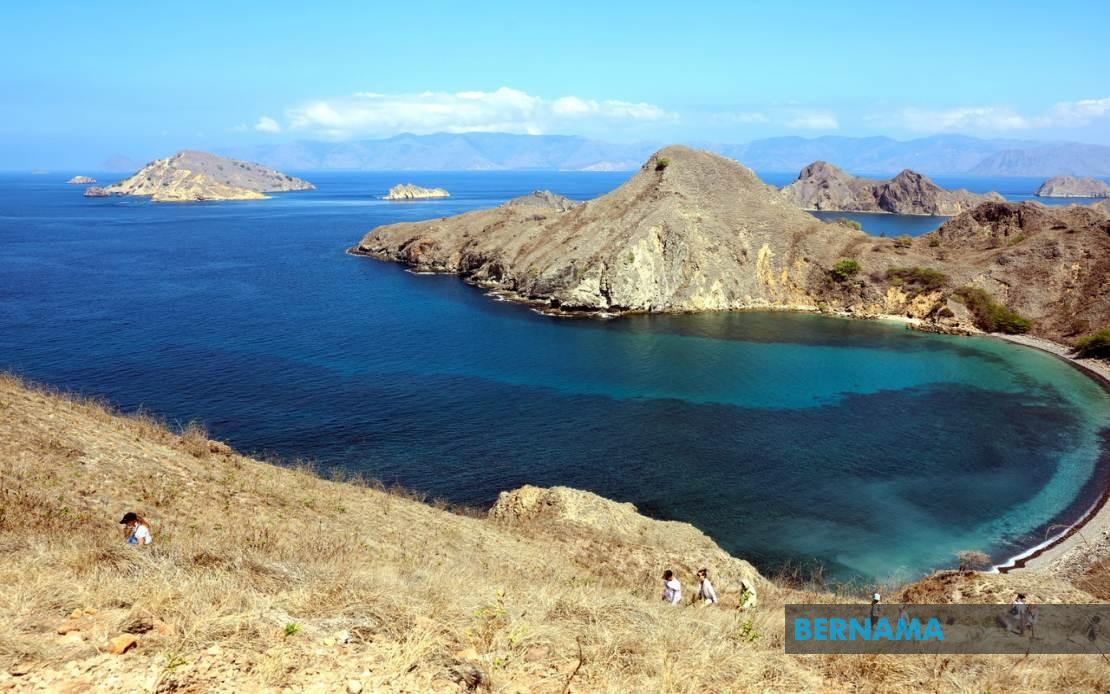
Indonesia remains optimistic about preserving its emerging market classification following a recent criteria revision by MSCI Inc., the global index provider that determines how countries are categorised for investment purposes. This reassurance from Jakarta comes as the investment community closely monitors whether Indonesia's economic indicators and market structure will meet the updated benchmarks in the upcoming review cycle. The status carries significant implications for foreign direct investment flows and market liquidity, making retention crucial for the archipelago's economic trajectory.
Meanwhile, Indonesia and Kuwait have announced deepened cooperation on energy security, a partnership designed to buffer both nations against volatile global markets and geopolitical disruptions. The initiative reflects broader Southeast Asian awareness that energy independence and diversified supply partnerships remain essential shields against external economic shocks. For Malaysia and the region, such bilateral arrangements underscore the strategic competition for energy market influence and highlight the growing importance of Middle Eastern partnerships beyond traditional trade relationships.
Myanmar's government has signalled intent to introduce fresh legislation and implement policies safeguarding the nation's extensive cultural heritage from erosion by global digital trends. Officials emphasise protecting ancient monuments and traditional practices against foreign cultural influences spreading through social media platforms. This approach mirrors concerns across Southeast Asia about cultural preservation amid rapid digitalisation, though Myanmar's emphasis on regulatory control reflects unique political circumstances. The initiative underscores how different nations in the region grapple with balancing modernisation and heritage conservation.
Yangon will host the Day of the Seafarer 2026 on June 25, an observance designed to celebrate maritime workers and create professional opportunities within the shipping industry. The event highlights the contributions of seafarers to global commerce and aims to improve career prospects and long-term development pathways for this essential workforce. For Malaysia, a major shipping hub with significant maritime employment, such regional recognition of seafarer importance resonates with ongoing efforts to professionalise the maritime sector and address labour shortages.
The Philippines has emerged as this year's standout performer among Muslim-friendly destinations outside the Organisation of Islamic Cooperation bloc, climbing three rankings to secure fifth position. This achievement reflects strategic positioning by Manila to capture growing halal tourism and business travel from Muslim-majority markets. The ranking carries commercial weight, as Muslim-friendly certification opens doors to Middle Eastern investors, tourists, and traders seeking destinations that accommodate their dietary and cultural requirements. For competitive Southeast Asian tourism markets including Malaysia, the Philippine success demonstrates the economic value of deliberate halal branding and infrastructure investment.
Filipino visual artists have demonstrated expanding international market appeal following a successful one-day exhibition celebrating the 128th Philippine Independence Day in Bangkok last week. Strong sales during the event signal increasing foreign appetite for Southeast Asian contemporary art, a cultural export category gaining prominence across the region. This development suggests potential growth in art-related tourism and cultural economy activities throughout Southeast Asia, where traditional crafts and modern artistic expression increasingly attract global collectors and institutions.
Singapore's Civil Defence Force formally opened a new Marine Division headquarters on Pulau Brani, a four-storey complex equipped with real-time surveillance technology and ship rescue training facilities. The facility enhances Singapore's maritime emergency response capacity and underscores the city-state's commitment to maritime safety in one of the world's busiest shipping corridors. The installation of advanced surveillance systems reflects regional maritime security priorities, particularly given increasing vessel traffic, environmental hazards, and the strategic importance of Singapore's waters to regional commerce. For other Southeast Asian nations managing busy shipping lanes, Singapore's investment provides a template for upgrading maritime infrastructure and emergency response protocols.
Prime Minister Lawrence Wong met Turkish President Recep Tayyip Erdogan in Istanbul on June 19, reaffirming the historic and contemporary warmth between Singapore and Turkey. Such diplomatic engagements at the highest level strengthen bilateral ties and potentially open avenues for enhanced trade, investment, and security cooperation. The Singapore-Turkey relationship, though not as extensively documented as some regional partnerships, represents important connectivity between Southeast Asia and the Eastern Mediterranean, with implications for regional commerce and geopolitical positioning.
Lam Dong province in southern Vietnam is positioning itself to capitalise on global halal market opportunities, leveraging its established reputation in high-tech agriculture and tourism. The province's diverse agricultural output—vegetables, flowers, coffee, tea, fruit, and processed foods—provides a foundation for halal certification and export expansion into Muslim-majority markets. This strategic pivot mirrors similar efforts across Southeast Asia to access growing Islamic economy sectors, where halal-certified products command premium pricing and expanding consumer bases. Vietnam's agricultural sector, already competitive regionally, stands to gain market share by formalising halal compliance across supply chains.
Vietnam's electric vehicle fleet has grown substantially, reaching 374,816 units nationwide by end of May, reflecting accelerating adoption across both public and private passenger transport sectors. This expansion demonstrates regional momentum toward green transportation and energy transition, placing Vietnam alongside other Southeast Asian nations pursuing decarbonisation targets. The growth trajectory suggests opportunities for supporting industries including charging infrastructure, battery manufacturing, and vehicle servicing, sectors that will expand as electrification continues. For Malaysia's automotive and energy sectors, Vietnam's EV expansion signals competitive pressures and potential partnership opportunities in green technology supply chains.

