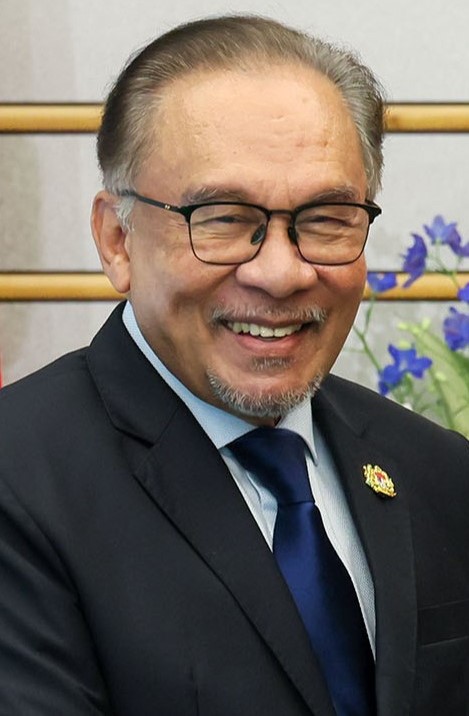
Jose Luis Rodriguez Zapatero, who served as Spain's prime minister until 2011, will appear before Madrid courts on Wednesday to face questioning in an influence-peddling investigation, according to judicial authorities. The hearing represents a watershed moment for Spanish politics, as former heads of government rarely undergo such formal interrogation in criminal proceedings. The Socialist politician's appearance follows months of accumulating pressure on Spain's current leftist government as corruption allegations multiply across the country's political establishment.
The two-day court session marks the most serious legal jeopardy facing Zapatero since he left office over a decade ago. Unlike routine administrative investigations, this hearing involves direct examination by judicial officials investigating whether the former premier abused his position or influence to benefit particular interests. The specifics of the alleged conduct remain closely guarded by the court, though Spanish media reports suggest the investigation centres on questionable commercial arrangements and preferential treatment allegedly facilitated through political connections.
Zapatero's Socialist Party currently governs Spain under Prime Minister Pedro Sanchez, and the proceedings against the former leader have created considerable discomfort within the party's hierarchy. Corruption investigations touching senior figures from the ruling coalition risk damaging the government's credibility as it navigates parliamentary negotiations and domestic policy challenges. Spain's political landscape has grown increasingly fragmented, making stability dependent on managing both popular confidence and coalition partnerships.
The investigation unfolds amid a broader pattern of corruption allegations afflicting Spanish political life across the ideological spectrum. Regional politicians, municipal officials, and national figures from multiple parties face various charges ranging from embezzlement to bribery. This systemic pattern of scandals has eroded public trust in institutions and contributed to electoral volatility, with voters increasingly turning to anti-establishment parties frustrated by apparent failures of judicial accountability.
For Southeast Asian observers, Spain's experience illustrates how even mature democracies with established rule-of-law traditions struggle with political corruption and the complex relationship between former power-holders and ongoing legal accountability. Malaysia's own history of investigating senior political figures provides instructive parallels regarding the political sensitivities and institutional pressures surrounding high-profile prosecutions. The Spanish case demonstrates that corruption investigations transcend development levels and affect wealthy democracies as thoroughly as emerging economies.
Zapatero's government from 2004 to 2011 pursued policies including expanded social programmes, same-sex marriage recognition, and enhanced regional devolution—positions that secured strong backing from progressives but generated controversy among conservatives. His successor, Mariano Rajoy, faced his own corruption-related difficulties, establishing a pattern where Spain's leading parties have experienced significant legal exposure. This cyclical pattern suggests structural vulnerabilities in Spain's political oversight mechanisms rather than isolated misconduct.
The judicial proceedings carry potentially significant implications for Spanish politics beyond Zapatero's personal legal standing. A conviction could energise opposition parties demanding broader governmental reform and inspire public pressure for institutional changes addressing corruption. Conversely, acquittal or dismissal of charges might be portrayed by government critics as evidence of a compromised judicial system protecting political insiders from meaningful accountability.
European Union observers have increasingly focused on rule-of-law concerns across member states, with Spain featuring prominently in Brussels assessments of judicial independence and anti-corruption enforcement. The Zapatero investigation demonstrates Spain's willingness to pursue senior figures through its courts, potentially supporting arguments that Spanish institutions function despite corruption pressures. However, critics argue that investigations into former leaders arriving years after they leave office suggest reactive rather than proactive enforcement.
The timing of Zapatero's appearance occurs as Spanish society confronts multiple simultaneous challenges including economic pressures, regional independence movements, and fractionalised parliamentary representation. Corruption allegations intensify public cynicism precisely when governments require legitimacy to address these complex issues. The former premier's court appearance will inevitably generate extensive media coverage and political commentary that could further reduce public confidence in institutional effectiveness.
Spain's experience underscores challenges facing democracies attempting to balance accountability with governance continuity. Investigating former leaders risks appearing politically motivated if opposition parties dominate judicial processes, yet avoiding investigation suggests impunity for potential misconduct. This tension remains particularly acute in fragmented parliaments where multiple factions compete for electoral advantage while navigating coalition requirements.
For Malaysia and other countries wrestling with transparency and accountability frameworks, the Spanish situation illustrates the complex terrain governing how nations address corruption among powerful figures. Successful prosecutions require not merely legal evidence but also sufficient institutional independence to withstand political pressure and public perception of fairness. Spain's judicial system faces the test of whether it can convincingly demonstrate that law applies equally to former prime ministers and ordinary citizens, a standard that increasingly defines democratic legitimacy across Europe and beyond.