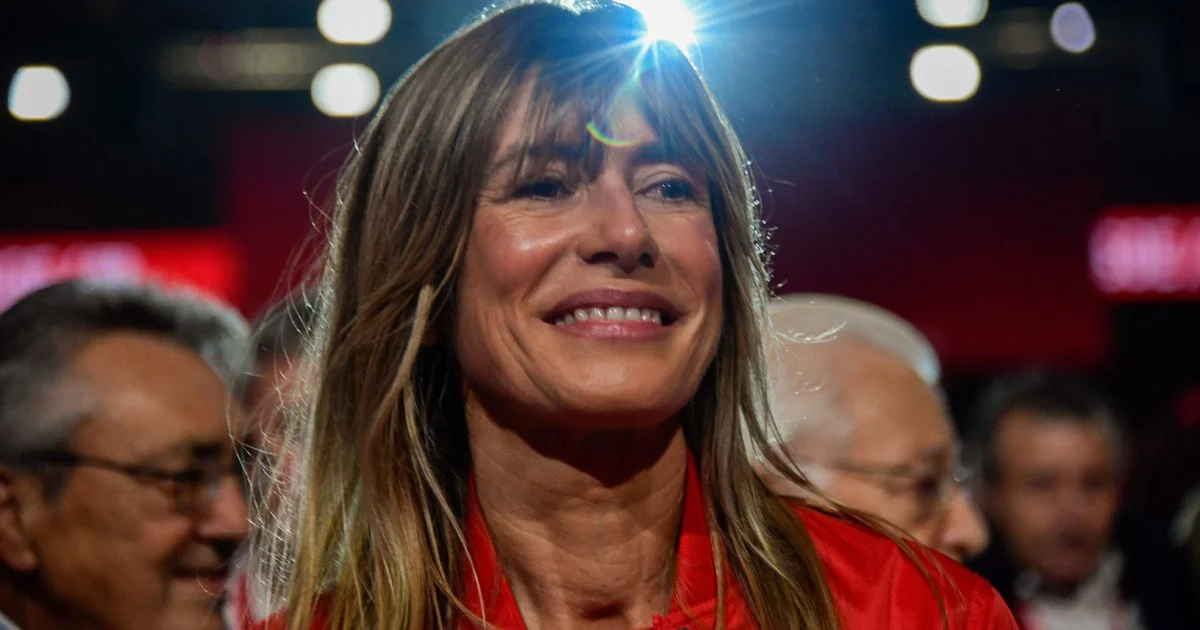
A Spanish court has imposed substantial legal restrictions on Begoña Gómez, the wife of Prime Minister Pedro Sánchez, ordering her to stand trial before a jury on corruption allegations while simultaneously barring her from departing the country without judicial permission. The court's decision, formalised through an order disclosed on Saturday, represents an escalation in legal proceedings that have already generated considerable political controversy within Spain.
The travel restriction is a standard judicial measure applied in cases where authorities believe a defendant poses a flight risk or may obstruct justice. By preventing Gómez from leaving Spain, the court is signalling the seriousness with which it views the allegations and underscoring the expectation that she will remain available throughout the trial process. Such measures are typically imposed when facing substantial charges that could result in imprisonment or significant penalties.
The jury trial format chosen for this case differs from Spain's standard judicial proceedings and indicates the gravity the court has assigned to the matter. Jury trials in Spain are reserved for cases of particular public interest or complexity, and the selection of this trial mechanism suggests the court views the corruption allegations as sufficiently serious to warrant involvement of citizen jurors rather than relying solely on professional judges.
This legal action introduces significant complications for the Spanish political establishment, as the Prime Minister's spouse faces formal trial proceedings. The timing and nature of the charges have already prompted debate about judicial independence, prosecutorial motivations, and political interference within Spain's legal system. The case has attracted scrutiny from both government supporters and opposition figures who view it through different ideological lenses.
For the Sánchez government, the development presents a delicate political situation. While the Prime Minister himself has not faced charges, the judicial action against his wife inevitably affects his administration's standing and creates potential vulnerabilities in parliamentary negotiations and public perception. The government has previously characterised the investigation as politically motivated, accusations that have intensified as the legal process advances.
The restrictions imposed on Gómez align with international legal practices regarding pre-trial detention alternatives. Rather than imprisoning her pending trial, the court has opted for less restrictive measures—principally the travel ban—that balance the presumption of innocence against the state's interest in ensuring her appearance at trial. This approach reflects modern criminal justice philosophy across many democracies.
Spain's judicial system has faced criticism in recent years regarding high-profile cases involving politicians and public figures. This prosecution adds another chapter to concerns about how the judiciary handles sensitive political matters. The case will likely generate sustained attention from media outlets, legal commentators, and international observers monitoring judicial independence in European Union member states.
The broader context matters for understanding this case. Spain has experienced significant political polarisation in recent years, encompassing disputes over regional autonomy, language rights, and economic policy. Against this fractured political backdrop, legal proceedings involving prominent government figures carry implications extending beyond the immediate charges to encompass questions about institutional fairness and political neutrality.
For Malaysian and Southeast Asian observers, this case illustrates the complexity faced by democracies grappling with investigations into political figures' spouses and family members. The region has witnessed similar scenarios where judicial action against politicians' relatives creates tensions between rule of law imperatives and perceptions of political manipulation. The Spanish situation offers a comparative perspective on how established European democracies navigate these challenging circumstances.
Gómez will now navigate the Spanish legal system's jury trial procedures, which involve distinct phases including evidence presentation, witness examination, and jury deliberation. The restrictions on her movement will remain in effect throughout these proceedings unless modified by judicial decision. The court's actions establish a framework within which legal arguments will ultimately determine whether corruption charges are substantiated.
The case reflects broader tensions within Spanish governance as various political actors compete for influence and legitimacy. The Prime Minister's administration will likely monitor proceedings carefully, aware that outcomes could affect governmental stability and public confidence in institutional processes. Opposition parties will similarly view developments as opportunities to challenge the government's credibility and competence.
As Spain's legal system processes this high-profile case, questions remain about timelines for trial commencement, evidentiary standards that will apply, and potential outcomes. The jury trial format ensures that ultimate judgment rests with citizens rather than appointed judges, introducing an element of unpredictability into proceedings. Whether the restrictions imposed prove temporary pending trial resolution or reflect longer-term judicial expectations remains to be determined as the case develops through Spain's legal apparatus.

