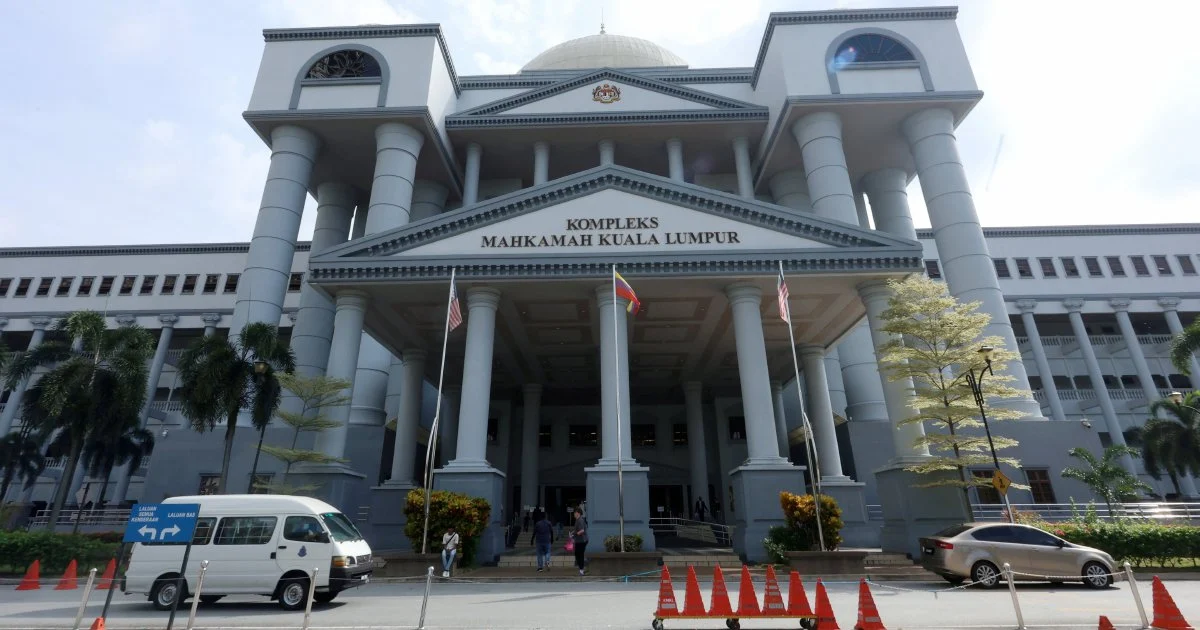
A senior executive heading a government-linked statutory body is set to appear before the Sessions Court to answer seven charges of corruption involving the alleged solicitation and receipt of bribes exceeding RM1 million. The charges relate to his conduct concerning contracts for sports facility projects, marking another significant case in Malaysia's ongoing anti-corruption enforcement drive.
The appointment to the dock represents a continued commitment by the Malaysian Anti-Corruption Commission to pursue high-level misconduct within public institutions, regardless of the seniority or position of those involved. Statutory bodies play crucial roles in delivering government services and infrastructure projects across sectors including sports, health, and transportation. When the leadership of such organisations becomes compromised through corrupt practices, the ripple effects extend beyond individual wrongdoing to undermine public trust in state institutions and the proper allocation of public resources.
The alleged bribery scheme involved sums totalling more than RM1 million, a substantial amount that suggests either multiple transactions or significant single payments associated with major contracts. Sports facility development projects are particularly susceptible to corruption due to the complexity of procurement processes, the high values typically involved, and the discretionary authority exercised by project managers and approving officials. In Malaysia's context, where sports infrastructure development forms part of broader urban planning and national sporting ambitions, the integrity of such projects remains essential for value-for-money outcomes and genuine public benefit.
The specific nature of the charges, spanning seven distinct counts, indicates that investigators identified multiple occasions on which the CEO allegedly engaged in corrupt conduct. This pattern distinguishes the case from isolated lapses of judgment and suggests instead a systematic exploitation of his position for personal financial gain. Each charge presumably corresponds to separate instances of solicitation or acceptance of bribes, potentially involving different contractors, intermediaries, or project phases.
Statutory bodies in Malaysia occupy a unique position within the public sector ecosystem. They operate with varying degrees of autonomy from the federal and state governments that establish them, often wielding significant financial and procurement authority. While this independence allows for more efficient operations in some respects, it also creates environments where oversight mechanisms may sometimes be insufficiently robust. The case underscores the importance of internal control systems, audit functions, and whistleblower protections within these organisations to detect and deter corrupt behaviour before it escalates.
For stakeholders and taxpayers in Malaysia, particularly those in states and regions where the statutory body operates, the charges raise questions about the integrity of past project decisions and allocations. Depending on the investigation's scope, there may be implications for the quality, cost, and appropriateness of completed or ongoing sports facilities. Retrospective reviews of approved projects and awarded contracts may become necessary to assess whether decisions were made on legitimate merit-based grounds or were influenced by corrupt considerations.
The case also reflects the broader Southeast Asian challenge of corruption within state-owned enterprises and public institutions. Countries across the region have grappled with similar issues involving high-ranking officials leveraging their positions to extract illicit payments from contractors and service providers. Malaysia's anti-corruption agency has demonstrated willingness to investigate and prosecute such cases, though observers regularly note that conviction rates and the speed of proceedings remain areas requiring improvement for maximum deterrent effect.
The Sessions Court proceedings will provide an opportunity to examine detailed evidence of the alleged transactions, including communication records, financial trails, and testimony from relevant parties. The quality and comprehensiveness of the investigation will be evident in how systematically the prosecution presents its case and addresses potential defences. For Malaysian anti-corruption efforts to gain credibility and effectiveness, such cases must be prosecuted with sufficient rigour to secure convictions when evidence supports guilt beyond reasonable doubt.
Beyond the individual case, this prosecution highlights the vulnerability of procurement and project approval processes to corruption when adequate transparency and competitive bidding mechanisms are absent or poorly enforced. Best practice international standards for public procurement emphasise open tender processes, clear evaluation criteria, documented decision-making, and separation of approval authorities to prevent any single official from wielding unilateral control over substantial contracts. The statutory body in question may face pressure to review and strengthen its internal governance frameworks to prevent similar misconduct in future.
The appearance before the Sessions Court also carries implications for perceptions of institutional accountability among Malaysian public sector employees. When senior officials face serious charges of corruption, it sends a message that position and authority do not confer immunity from the law. Conversely, if investigations and prosecutions are perceived as selective, politically motivated, or ineffectively pursued, public confidence in anti-corruption efforts erodes correspondingly. The transparency and professionalism with which this case is handled will contribute to broader assessments of Malaysia's commitment to combating corruption at all levels of government and state-linked enterprises.