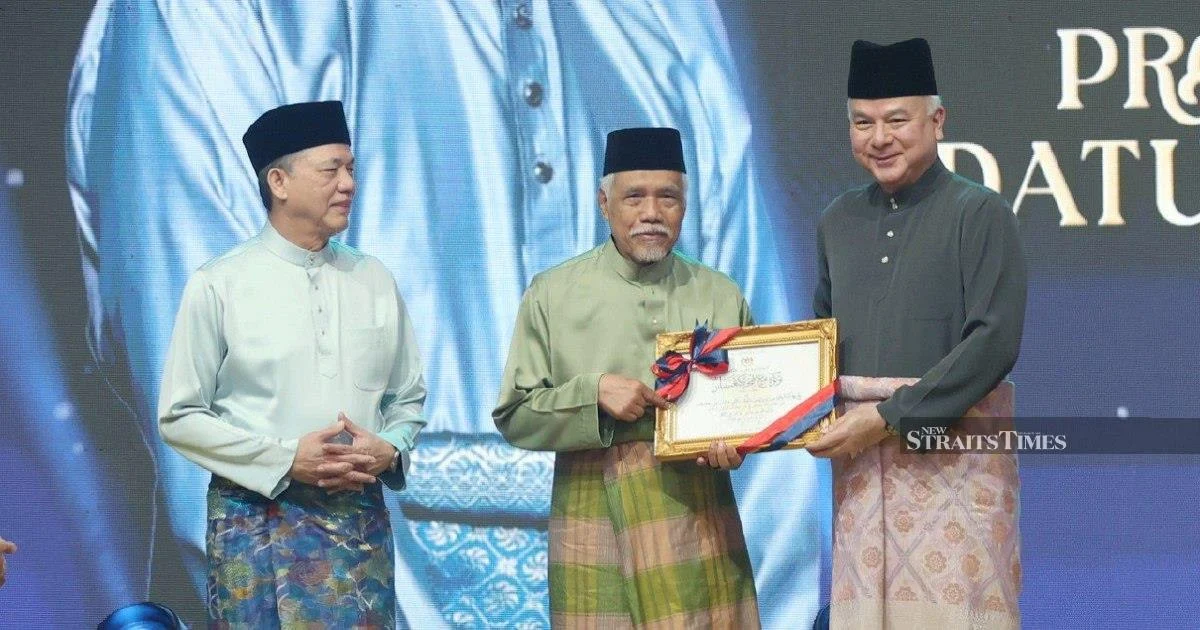
The Sultan of Perak, Sultan Nazrin Muizzuddin Shah, delivered a pointed reminder to the nation's leadership about the perils of reactive governance during a public address in Putrajaya. In his remarks, the Sultan emphasised that impulsive decision-making driven by emotional impulses rather than careful deliberation carries profound consequences that extend far beyond individual leaders to affect entire populations and the long-term trajectory of nations.
The Sultan's intervention into public discourse on leadership quality reflects growing concern among Malaysia's constitutional monarchy about the state of governance in the country. His warning arrives at a moment when political volatility and rapid shifts in policy direction have characterised several years of Malaysian politics, prompting reflection among institutional observers about whether decisions are being made with sufficient strategic consideration. The Sultan's position as head of state in one of Malaysia's most developed states gives his commentary particular weight within national political circles.
Central to the Sultan's message is the distinction between leadership that responds immediately to prevailing sentiments and leadership that takes time to assess situations comprehensively before acting. Impulsive governance, the Sultan suggested, stems from capitulating to momentary pressures or pursuing short-term political advantage without weighing longer-term ramifications. Such an approach, he implied, betrays the trust placed in leaders by their constituents and undermines the foundations upon which stable societies are built.
The Sultan drew upon historical and spiritual lessons to reinforce his argument about the importance of deliberate decision-making. By invoking the Hijrah—the Prophet Muhammad's migration from Mecca to Medina in 622 CE—the Sultan highlighted how significant historical transitions were managed through careful planning and strategic thinking rather than rushed action. The Hijrah, in Islamic history and thought, represents not merely a physical relocation but a carefully orchestrated transition that laid the foundations for a new society based on considered principles. This example serves as a template for how transformative decisions should be approached: with clarity of purpose, awareness of consequences, and commitment to foundational principles.
For Malaysian audiences, the Sultan's invocation of the Hijrah holds particular resonance given the nation's Muslim-majority population and the historical significance of Islamic principles in Malaysian governance and society. The reference positions thoughtful leadership not as a secular or pragmatic concern alone but as a principle embedded within Islamic teaching itself. This framing strengthens the appeal of the message across Malaysia's diverse constituencies by rooting it in widely respected spiritual and historical traditions.
The implications of the Sultan's caution extend throughout Malaysia's political ecosystem. Political parties frequently face pressure to respond swiftly to emerging situations, media cycles, and public sentiment, sometimes at the expense of thorough analysis. The civil service, responsible for implementing policy decisions, often bears the burden when decisions lack proper groundwork. Citizens and businesses must absorb the costs and uncertainties generated by sudden policy reversals or poorly considered initiatives. By speaking publicly on this matter, the Sultan is essentially signalling that Malaysia's institutional leadership values stability and strategic planning over reactive politics.
The Sultan's message also carries implications for Southeast Asia more broadly. The region has witnessed numerous instances where hasty policy decisions by national governments have disrupted markets, strained diplomatic relationships, and created social friction. Whether addressing economic policies, foreign relations, or internal security matters, nations throughout the region grapple with balancing responsiveness to immediate concerns against the need for deliberate, long-term strategic planning. The Sultan's emphasis on learning from historical precedent and maintaining principled decision-making offers a counterweight to populist pressures that often favour quick action over careful consideration.
Within Malaysia's constitutional framework, the Sultan of Perak occupies a distinctive position that permits him to offer counsel on matters of national importance while remaining above day-to-day partisan politics. His intervention suggests that members of the royal institution perceive current governance patterns as departing from standards of measured leadership. This institutional perspective carries weight because the monarchy in Malaysia serves as a stabilising force expected to model and encourage responsible governance practices.
The Sultan's emphasis on learning from the Hijrah specifically underscores that transitional moments—whether personal, institutional, or national—require more rather than less careful deliberation. Moments of significant change create temptation to act decisively without full consideration of second and third-order effects. Yet history repeatedly demonstrates that the most successful transitions are those guided by clear principles and strategic foresight rather than improvisation.
Moving forward, the Sultan's caution invites Malaysia's political leadership to undertake serious reflection about decision-making processes and institutional practices. Policymakers might ask themselves whether current procedures allow sufficient time for expert input, stakeholder consultation, and consequence analysis before major decisions are implemented. The civil service and advisory bodies play crucial roles in ensuring that leaders have comprehensive information and multiple perspectives before acting. Where these institutional checks have atrophied or been circumvented, restoring them becomes essential.
Ultimately, the Sultan's message resonates because it articulates a principle that citizens across the political spectrum can recognise: leaders bear responsibility not just for their own fortunes but for the welfare of those they serve. Impulsive governance betrays this responsibility by prioritising immediate advantages over sustained wellbeing. By grounding his caution in both Islamic principle and pragmatic observation, the Sultan has framed careful, strategic decision-making not as weakness but as a mark of genuine leadership worthy of the trust placed in those who wield power.