A Swedish court has dealt another blow to a Hong Kong couple's efforts to regain custody of their four-year-old daughter, rejecting their legal challenge to the state's guardianship transfer application on the grounds that such welfare decisions fall outside the scope of judicial review. The ruling, handed down on June 10, effectively prevents Tsang and Kwan from mounting a court challenge before authorities formally decide on the foster family's guardianship application, leaving the child's future in limbo as the contentious case drags through multiple jurisdictions.
The Swedish Social Welfare Committee had filed its application to appoint the child's long-term foster parents as her legal guardians following a detailed report submitted on June 3. In that assessment, the committee determined that the girl, identified as Lily, required protection from what officials characterised as a "rootless and insecure existence" if she were to remain with her biological parents. The committee's language reflected deep concerns about the stability and safety of the child's living environment, emphasising that every child deserves to grow up surrounded by warmth, predictable routines, and genuine emotional security. According to the welfare body, the parents had demonstrated neither receptivity nor meaningful insight into what their daughter's best interests actually entailed, prompting officials to recommend that the assessment for continued parental care remain in place.
Lily's placement with her current foster family dates to May 2024, meaning she has now spent over a year in state care and institutional oversight. The Swedish legal framework that the court cited on June 10 distinguishes sharply between welfare and judicial matters, treating social welfare committee decisions as administrative rather than judicial proceedings and therefore not subject to the same appellate scrutiny that would apply to criminal or civil cases. This distinction, while standard in Nordic social welfare systems, has left the Hong Kong parents without a mechanism to challenge the substance of the committee's concerns before a higher court, forcing them to await a formal administrative decision before pursuing any legal remedy.
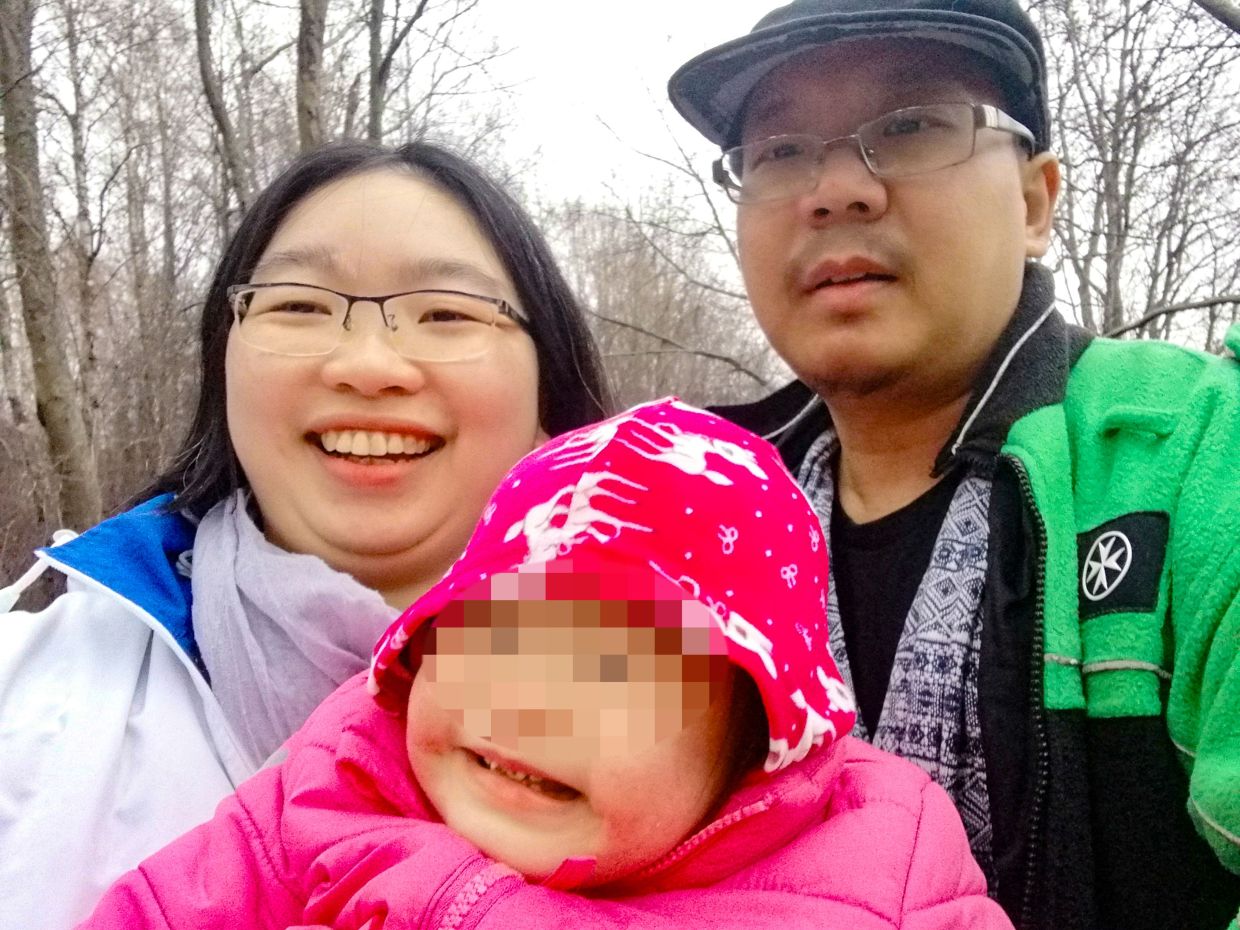
Frustrated by the procedural roadblock, Tsang expressed dismay at what he characterised as the Swedish court's refusal to even permit them "the opportunity to challenge its irrationality". The couple's difficulties extend far beyond procedural technicalities, however. They have engaged in an exhausting multi-year campaign to recover their daughter, launching a social media page titled "Save Lily" where they have systematically uploaded family photographs and official documents in an attempt to mobilise public and diplomatic support for her return. The campaign reflects the emotional devastation of parents separated from their child across international borders and legal systems, yet has yielded no tangible progress toward reunification.
The circumstances surrounding Lily's removal illuminate how interconnected governance failures across jurisdictions can culminate in family separation. Born at home in Finland in October 2021, Lily was the couple's second child. Their first daughter, also delivered at home, had died in 2019 at just one month old, a tragedy that triggered investigations for alleged negligence. Finnish authorities subsequently declined to register Lily's birth because the parents' declared permanent residence remained in Hong Kong rather than Finland, creating a legal limbo that would later compound their difficulties. When the family subsequently relocated to Sweden, they encountered fresh trouble: both Tsang and Kwan were arrested on suspicion of money laundering, and in December 2023, Lily was placed into social welfare custody pending criminal proceedings.
Although Swedish prosecutors eventually dropped the money laundering allegations entirely, the removal of Lily from parental care proceeded on separate child welfare grounds. The dismantling of the criminal charges against the parents, while legally significant, did not trigger an automatic reassessment of the child protection decision, leaving the couple in the position of having faced serious criminal suspicion while simultaneously losing custody on unrelated welfare concerns. This jurisdictional and institutional separation meant that the parents' exoneration on the most serious charges brought against them carried little weight in the welfare sphere, a disjuncture that has fuelled their sense of injustice and legal vulnerability.
The family's travails extended further upon their return to Hong Kong. The couple subsequently had another child through home birth, a son named Danny, born earlier in 2024. When they declined to submit to a DNA test as proof of their biological relationship to the infant—a requirement for registration with Hong Kong's Birth Registry—authorities intervened once more. Danny was taken into the care of the Social Welfare Department, placing the couple in a position of defending their parenting capacity simultaneously in Hong Kong's family courts while their Swedish case remained unresolved. The procedural parallels and institutional suspicion appear to form a pattern, with authorities across multiple jurisdictions applying heightened scrutiny to the couple's parenting.
Despite the transfer of care, the parents have been permitted supervised contact with Danny. On a Monday in late June, Tsang reported that he and Kwan, operating under the supervision of government social workers, brought the approximately three-month-old infant to a Department of Health maternal and child health centre for a routine medical examination. The examination revealed no health irregularities, a positive development suggesting the child's physical welfare has not been compromised during the state's custodial period. However, the examination constitutes only one component of a much broader assessment by Hong Kong social workers regarding the couple's parenting capabilities and fitness to retain custody of their son.
The Hong Kong court is scheduled to hear the couple's case regarding Danny's custody late in the month, representing a crucial juncture for their family's future on the territory's shores. The outcome will hinge not merely on technical compliance with registration procedures but on social workers' assessments of whether the parents can provide a safe, stable, and nurturing environment. For the parents, the Hong Kong proceedings offer a potential opportunity to rebuild their family unit if they can convince local authorities of their reformed practices, yet the weight of negative assessments from multiple jurisdictions works against them. The contrast between this case and typical custody disputes lies in its transnational dimension: the family's relocation patterns, the jurisdictional conflicts, and the apparent institutional scepticism toward home births and unconventional parenting practices all suggest that cultural and systemic factors may compound the substantive welfare concerns.
The case raises difficult questions about state intervention, cultural differences in parenting norms, and the rights of parents facing coordinated institutional scepticism across borders. Authorities in Finland, Sweden, and Hong Kong have each independently concluded that the couple presents risks to their children's welfare, creating what appears to be a self-reinforcing pattern of intervention and increased scrutiny. Whether the Hong Kong court will break that cycle or extend it remains to be determined, but the couple's options for legal recourse appear increasingly constrained by judicial doctrines that privilege administrative welfare decisions over parental rights claims.