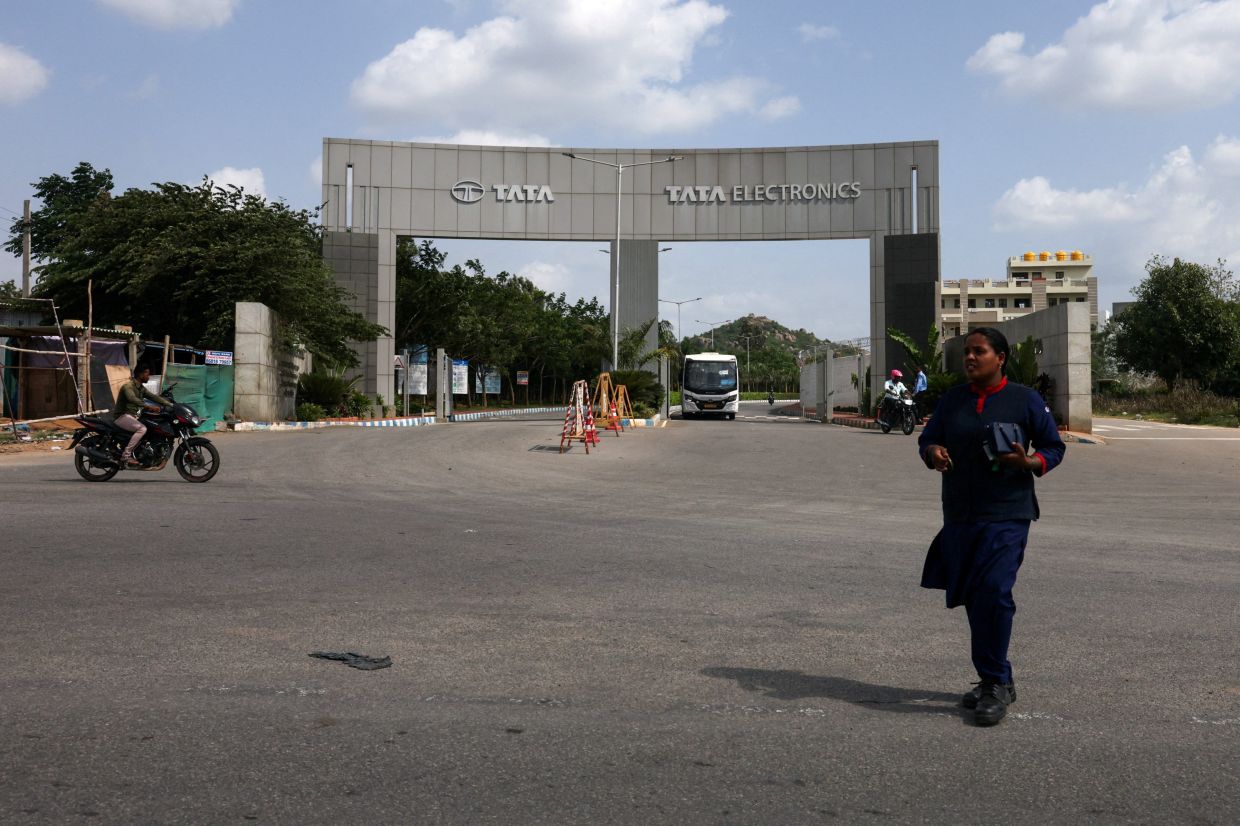
Tata Electronics, a cornerstone of India's strategy to diversify global electronics manufacturing away from China, has disclosed a significant cybersecurity breach following claims by the ransomware group World Leaks that it has stolen and published proprietary data belonging to two of the world's most valuable technology companies. The Indian conglomerate acknowledged on Monday that it detected the incident several weeks prior, triggering immediate response protocols, though it maintained that normal business operations remained uninterrupted across its divisions.
The scope of the alleged breach is substantial. According to security researchers who reviewed the materials on dark web platforms, World Leaks has distributed more than 200,000 files totalling over 630 gigabytes, including purported design specifications, component documentation, and internal communications related to manufacturing operations. The sheer volume suggests a comprehensive infiltration rather than a limited data exfiltration, potentially compromising multiple layers of operational information held by Tata on behalf of its high-profile clients.
Apple, one of Tata's most significant partners, is actively investigating the incident according to sources with knowledge of the matter. The technology giant has tasked teams to conduct thorough analysis of what may have been compromised, while internally addressing the ramifications of a potential ransom demand reportedly communicated by the attackers. Apple has maintained public silence on the matter, declining to comment when approached by international media. Tata similarly refused to confirm details about ransom negotiations, a typical response from organisations navigating such situations while authorities conduct their investigations.
The disclosed materials appear to contain highly sensitive intellectual property. Security researcher Rajshekhar Rajaharia, who examined portions of the leaked database, identified what appeared to be 181 files and folders bearing Apple identifiers, including documents marked with proprietary information notices and bearing titles such as "com.apple.factorydata" and material specifications. A 52-page quality inspection standards document for iPhone circuit board components was among the files carrying Apple's proprietary markings, suggesting access to manufacturing quality protocols.
Tesla's involvement adds another dimension to the incident. Industry sources confirm that Tata manufactures components for the electric vehicle manufacturer, and the leaked database reportedly contains materials related to Tesla's operations. One folder on the World Leaks platform was labelled as referring to the "NV36 Chargeport Controller" used in upgraded versions of the Model Y SUV, while another purported 2023 document explicitly marked as a trade secret contained technical drawings related to Project Highland, Tesla's internal codename for its redesigned Model 3 sedan. Files marked with Tesla's confidentiality notices and dated as recent as May 2025 suggest access to current development information.
The breach also exposed operational details unrelated to specific products. Password resets, employee passport copies including documentation for foreign nationals, years of email communications, and system event logs spanning extended periods were among the materials accessible on the dark web platform. Such administrative data can provide attackers with granular understanding of organisational structure, individual roles, and potential leverage points for future operations.
World Leaks, the ransomware group responsible for the disclosure, has previously demonstrated its willingness to target major global corporations. The group claimed responsibility for a breach affecting Nike in previous operations, establishing a pattern of targeting household-name brands capable of potentially meeting financial demands. The group's dark web presence includes catalogues of stolen data allegedly obtained from various organisations, with the Tata material prominently featured in recent postings.
This incident strikes at a particularly sensitive moment for India's technology sector. Prime Minister Narendra Modi has championed the country's transformation into a major electronics manufacturing base, positioning India as an alternative to China-dependent supply chains. Tata has emerged as a principal vehicle for this ambition, already manufacturing roughly one-third of Apple's iPhone production in India while Foxconn handles the remainder. The company operates significant assembly facilities in Hosur, Tamil Nadu, representing substantial capital investment and employment within the state. Tata's expansion in electronics manufacturing was intended to demonstrate India's capacity to attract and retain sophisticated technology production.
Yet the breach exposes vulnerabilities inherent in rapid industrial expansion. Tata had already experienced a significant cyberattack the previous year targeting its Jaguar Land Rover division, resulting in a six-week production halt that disrupted global automotive supply chains. This latest incident suggests that even after the previous incident's lessons, infrastructure protecting high-value manufacturing data may remain insufficiently hardened against sophisticated ransomware operations.
The incident also coincides with mounting environmental scrutiny of Tata's operations. The company faces allegations regarding contamination of farmlands near one of its iPhone manufacturing plants, adding regulatory and reputational pressure at a moment when data security breaches further complicate its standing. International clients evaluating supply chain partners must now weigh manufacturing capabilities and cost advantages against demonstrated cybersecurity risks and the potential exposure of confidential operations to external actors.
India's Computer Emergency Response Team, the designated authority overseeing national cyber incident response, has not yet publicly commented on the breach or confirmed whether Tata submitted formal notifications as required by Indian cybersecurity protocols. The delay in official acknowledgment from government agencies responsible for coordinating incident response suggests either ongoing investigation or gaps in formal notification procedures.
The authenticity of materials published by World Leaks remains difficult to independently verify, though the presence of specific technical details, dated documents, and materials bearing organisational markings suggests legitimate access to Tata's systems rather than fabricated claims. Security researchers who reviewed portions of the database noted consistent formatting and contextual details that indicate genuine operational information rather than random or speculative materials.
For Malaysian and broader Southeast Asian technology manufacturers and supply chain participants, the incident underscores escalating risks from ransomware operations targeting regional production facilities. As companies across Southeast Asia seek to capture manufacturing work previously concentrated in China or established hubs, cybersecurity becomes a competitive differentiator. The incident reveals that rapid growth in technological manufacturing capacity requires parallel investment in defensive capabilities, or risks becoming a liability rather than an asset for international partners.

