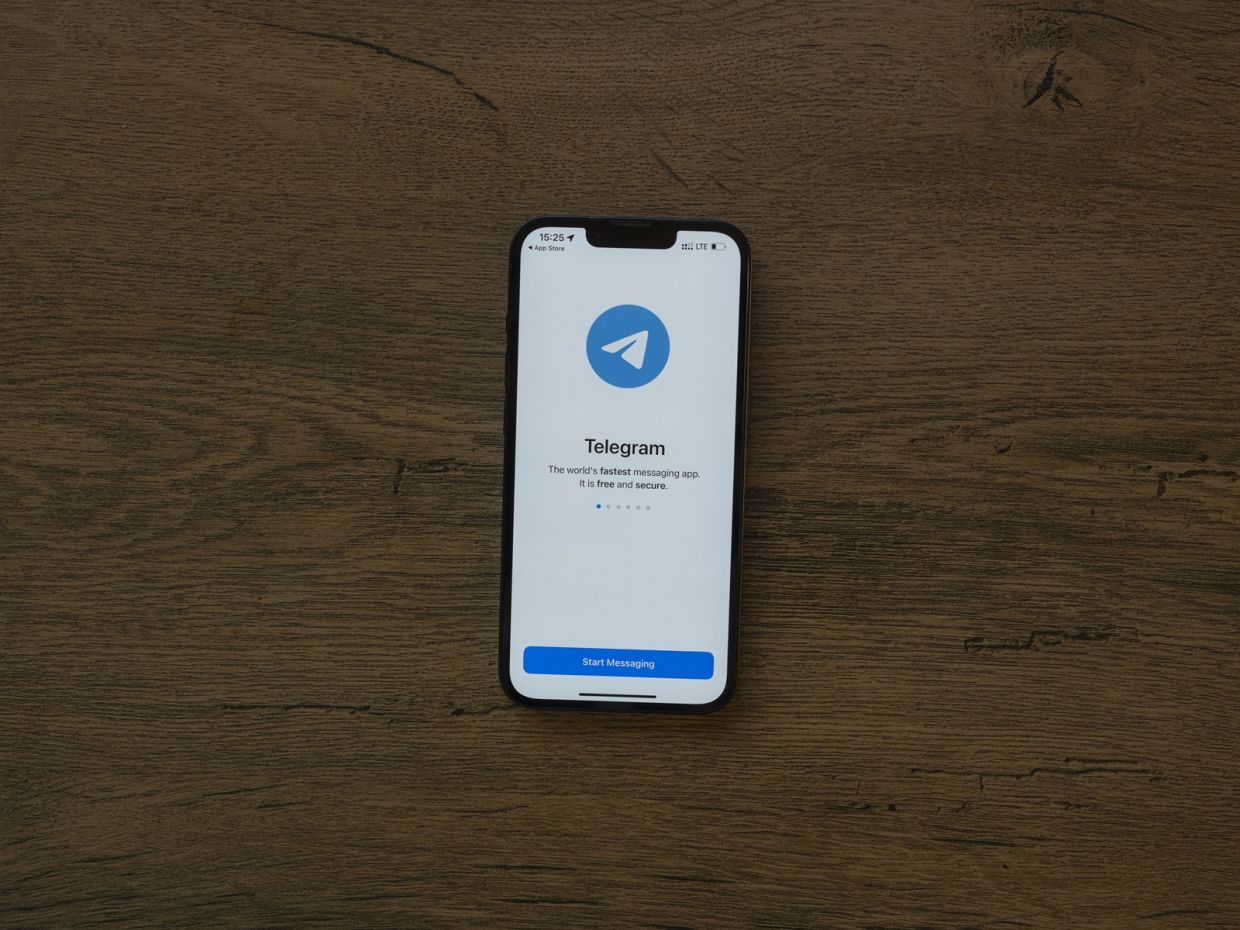
Telegram, the encrypted messaging application that has become synonymous with digital resistance to authoritarian oversight, is now entangled in a widening web of regulatory troubles across multiple continents. The platform's fundamental strength—its resistance to government access and surveillance—has simultaneously become its vulnerability, as nations increasingly demand that the app either comply with their oversight demands or face restrictions and criminal prosecution. This paradox reveals a deeper fault line between the privacy-focused business model Telegram represents and the governance structures of modern nation-states.
India's decision this week to impose a temporary ban until June 22 reflects the acute pressures facing Telegram in its largest market, where over 150 million users rely on the service. The trigger was not political dissent but fraud: the National Testing Agency discovered that channels within Telegram had fraudulently sold what purported to be leaked examination questions from the medical college entrance exam to desperate candidates and their families. When the documents proved counterfeit, the resulting chaos cascaded into a national crisis. Authorities scrapped the entire exam results, affecting millions of candidates who sat the test in May, and scheduled a complete retest for the following Sunday. This sequence of events has ignited substantial youth backlash, with young people accusing the government of administrative incompetence in managing critical educational infrastructure. Pavel Durov, Telegram's founder, responded to the ban by pointing out the inconsistency in holding a platform liable for the criminal behaviour of its users, noting that Telegram had already removed hundreds of channels connected to exam fraud and related scams operating within India.
Russia presents a more complex portrait of Telegram's regulatory struggles, one that hinges on encryption itself. In 2018, Russian authorities moved to block Telegram after the company refused to surrender encryption keys that would allow the Federal Security Service access to users' private communications. Durov, who had already fled Russia in 2014, contended that Telegram's architecture made such compliance technically impossible. The initial ban created an awkward predicament for the Kremlin: Russian government agencies themselves relied heavily on Telegram for internal communications, leaving the restriction partly unenforceable. By 2020, Moscow relented and officially lifted the ban, claiming that Telegram had agreed to strengthen its policing of extremist content. However, this truce deteriorated sharply during the conflict in Ukraine. The Russian communications regulator renewed accusations that Telegram was failing to combat fraud, safeguard personal data, and prevent terrorist and criminal use. Durov countered that the government was deliberately degrading Telegram access to force Russian citizens toward state-controlled alternatives he characterized as vehicles for "surveillance and political censorship." Today, Telegram is effectively blocked within Russia's borders, yet the technical measures remain incomplete and contested.
Ukraine's relationship with Telegram mirrors the platform's contradictory position in geopolitics. During the Russian invasion, Telegram became an essential lifeline for millions of Ukrainians seeking real-time warnings of impending Russian strikes and crowdsourced information about food, water, and medical supplies. Simultaneously, Ukrainian security officials grew alarmed that the same platform enabled Russian disinformation campaigns and facilitated espionage operations. In response, Ukrainian authorities in 2024 imposed restrictions preventing military personnel, civil servants, and critical infrastructure workers from accessing Telegram on their work devices. Some officials have proposed regulatory frameworks requiring Telegram to disclose the identities behind large anonymous channels, a demand that directly contradicts the platform's encryption philosophy.
France has pursued the most aggressive prosecutorial path, arresting Durov himself when he landed in the country in 2024. French authorities charged him with a sweeping indictment alleging failure to prevent illicit activities encompassing child sexual exploitation, drug trafficking, and online hate speech. Durov faced restrictions on leaving French territory pending trial. Telegram's position—that it complies with European Union law and cannot be held responsible for abuses committed through its platform—has gained limited traction with French officials and judges who view the platform's hands-off moderation stance as negligence. Durov was later permitted to leave France, returning to his base in Dubai, United Arab Emirates, where he maintains headquarters for the company's operations.
Norway and other Nordic countries have taken a different but equally restrictive approach. In 2023, Norway's justice minister issued official guidance declaring that state employees should not install Telegram or TikTok on government devices, categorising both applications as threats to national security. This blanket prohibition reflects growing concern among European governments that encrypted platforms present counterintelligence vulnerabilities, particularly in the context of Russian hybrid warfare campaigns targeting NATO members.
Brazil's enforcement actions underscore how the same technical features of Telegram create distinct regulatory challenges in different national contexts. In 2022, Brazil's Supreme Court imposed a nationwide ban shortly before a presidential election, responding to Telegram's refusal to comply with orders to eliminate accounts belonging to a Bolsonaro supporter under investigation for spreading disinformation and threatening the judiciary. Durov acknowledged the suspension at the time, attributing the non-compliance to technical oversights—claiming Telegram's company had missed emails from the Brazilian court. The ban was lifted once Telegram capitulated to judicial demands. However, in 2023, another Brazilian judge again ordered nationwide blocking after Telegram declined to provide complete user data from channels associated with neo-Nazi organisations. Telegram countered that the groups had already been deleted and that recovering data was technically unfeasible. An appellate court ultimately rescinded the suspension but imposed substantial financial penalties that remained in place.
The pattern across these jurisdictions reveals a persistent tension in how Telegram positions itself relative to nation-state authority. The company markets encryption and user privacy as core values, yet faces mounting pressure to make exceptions for law enforcement and national security purposes. What governments frame as reasonable requests to prevent terrorism and serious crime, Telegram characterises as infrastructural requests that would undermine the security guarantees the platform promises its entire user base. This disconnect has no obvious resolution: if Telegram weakens its encryption protocols to satisfy one government's demands, it creates precedent and vulnerability for others, yet refusing all government requests increasingly puts the company at legal and operational risk across multiple jurisdictions simultaneously.
For Malaysian readers and Southeast Asian observers, Telegram's troubles carry significant implications. The region encompasses countries with vastly different governance philosophies and approaches to digital regulation. Malaysia's own experience with messaging platform regulation, combined with concerns about digital sovereignty and data localisation, means that the regulatory trajectory Telegram faces globally will likely influence how Malaysian authorities shape their own frameworks for encrypted messaging services. Whether Telegram ultimately manages to navigate these pressures through selective compliance or faces further systematic restrictions will establish precedent for how other platforms operate in markets where government access and user privacy demands are increasingly irreconcilable.

