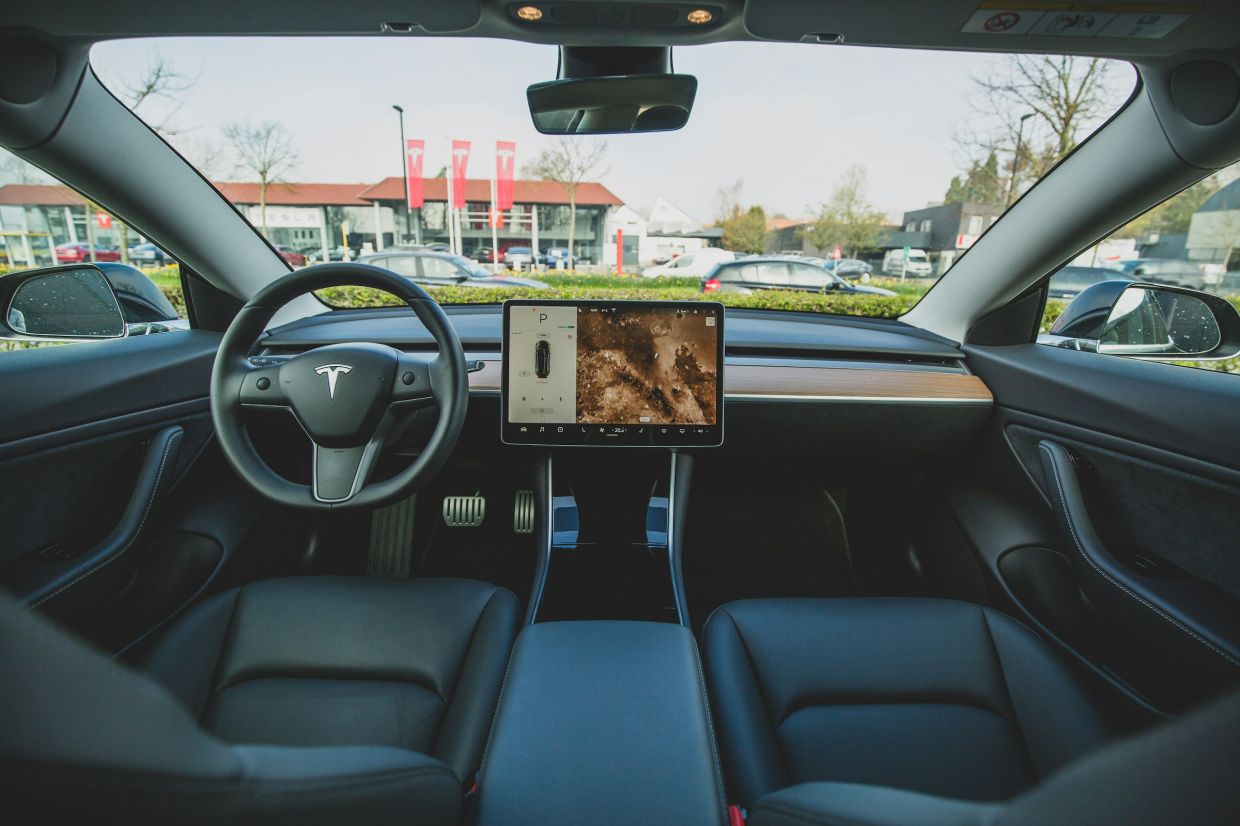
Tesla has quietly resolved legal proceedings following a fatal 2023 collision in Arizona that triggered a comprehensive federal safety investigation into the carmaker's Full Self-Driving (FSD) system. The settlement, confirmed by the plaintiff's legal representative but lacking any disclosed financial terms, underscores mounting concerns about whether Tesla's autonomous technology adequately protects road users in challenging visibility conditions.
The incident that prompted the settlement involved Johna Story, a 71-year-old woman who had exited her vehicle on an Arizona highway to assist in managing traffic disrupted by multiple crashes caused by intense sun glare. While standing on the roadway, Story was struck at considerable speed by a Tesla Model Y SUV operating under the Full Self-Driving system. Her death became a watershed moment in autonomous vehicle safety discourse, representing the first documented fatality of a pedestrian killed by Tesla's automation technology—a distinction that elevated the incident from tragic accident to regulatory flashpoint.
Attorney Dustin Birch, representing Story's daughter in the litigation, confirmed the recent settlement during a telephone conversation, noting that his client welcomes the opportunity to move forward from the proceedings. However, neither party disclosed the financial terms or any other conditions attached to the agreement. Tesla's legal counsel declined to comment on the matter, maintaining the company's characteristic silence on such controversies. The settlement's confidentiality typical of such arrangements obscures whether any admission of liability or specific remedial commitments form part of the resolution.
The crash occurred during a year when traffic fatalities across the United States reached 40,901, positioning Story's death within a broader context of persistent road safety challenges. Yet her case stands apart due to its connection to rapidly advancing autonomous driving technology, a sector that Tesla has positioned as central to its corporate future. Chief Executive Elon Musk has increasingly staked the company's long-term strategy on developing functional driverless vehicles and autonomous taxi services, with Full Self-Driving technology serving as the technological foundation for these ambitions. This strategic commitment means that safety vulnerabilities in the system carry profound implications not merely for current owners but for Tesla's entire corporate trajectory.
For Malaysian and Southeast Asian readers, the Tesla case carries particular relevance as automotive manufacturers and technology companies across the region weigh investments in autonomous driving capabilities. The regulatory scrutiny facing Tesla in the United States serves as an early indicator of the safety standards and testing protocols that emerging markets may eventually adopt. The incident demonstrates that regardless of a company's market influence or technological reputation, safety failures in autonomous systems trigger regulatory intervention and legal consequences.
The National Highway Traffic Safety Administration initiated its investigation into Full Self-Driving in 2024, subsequently escalating the probe this year to what the regulatory framework designates as an engineering analysis—a more intensive examination than preliminary investigations. NHTSA's deepening concern focuses specifically on whether Tesla's technology adequately detects or alerts drivers when visibility becomes compromised by environmental factors such as intense sunlight, dust clouds, or fog. This category of hazard appears particularly relevant to tropical and subtropical climates where intense sun glare and monsoon-related visibility challenges are commonplace.
NHTSA's technical findings from reviewing multiple crash incidents paint a concerning picture of systemic limitations. According to the regulator's assessment, Tesla's camera-based detection system repeatedly failed to identify ordinary roadway conditions that degraded visibility until mere moments before collisions occurred. More troublingly, the analysis revealed additional crash patterns where the system either failed to recognize that visibility had deteriorated or provided drivers with insufficient warning time to take corrective action. In each instance examined, the Full Self-Driving system either lost tracking of vehicles ahead or failed to detect them altogether, suggesting that compromised visibility cascades into multiple detection failures rather than isolated errors.
Tesla's management team acknowledged these technical challenges during an April earnings conference presentation, announcing that the company had retrofitted camera systems on older vehicles to address visibility detection problems. The company simultaneously emphasized its ongoing collaboration with NHTSA, positioning such cooperation as evidence of responsible development practices. However, the fact that older vehicles required camera replacement to rectify fundamental detection issues raises questions about whether the system was adequately tested before deployment to consumers and whether Full Self-Driving qualified for widespread use before resolving such critical safety gaps.
The regulatory trajectory suggests that Tesla faces sustained pressure to demonstrate the safety of its autonomous driving technology across diverse environmental conditions. For a company that has aggressively marketed Full Self-Driving to global markets and pursued regulatory approvals across multiple jurisdictions, the NHTSA investigation represents a critical test of whether the technology can meet rigorous safety standards. The outcome of this federal analysis will likely establish precedent for how other regulatory bodies worldwide evaluate Tesla's autonomous systems, potentially influencing whether other countries grant approvals or impose restrictions on the technology's deployment.
Beyond the immediate settlement and ongoing investigation, this episode illustrates the tension between technological innovation timelines and safety verification requirements in autonomous driving development. Consumer deployment of systems that subsequently require remedy suggests possible pressure to reach market quickly rather than comprehensively resolve safety questions before public availability. For emerging markets in Southeast Asia considering whether to adopt similar technologies from any manufacturer, the Tesla case provides a cautionary template of how regulatory systems eventually confront inadequately validated automation claims, albeit sometimes only after fatal incidents occur.
The financial and reputational implications of this settlement extend beyond the immediate parties. Insurance considerations, product liability exposure, and regulatory compliance costs attached to Full Self-Driving deficiencies may ultimately constrain Tesla's capacity to pursue the autonomous vehicle ambitions that currently define its strategic vision. As the company navigates both the federal investigation and international regulatory scrutiny, the resolution of the Johna Story case may represent merely the opening stage of more comprehensive legal and regulatory reckoning with Full Self-Driving's safety limitations.

