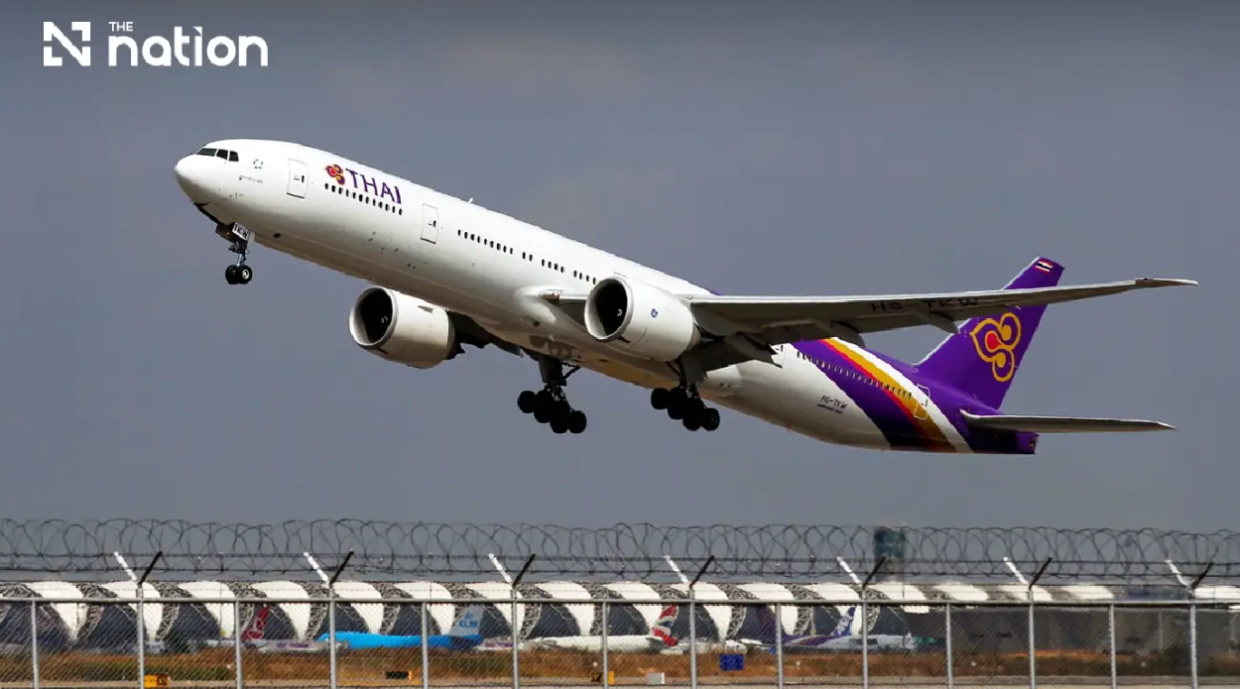
The chief executive of Thai Airways International, Chai Eamsiri, has assured Australian law enforcement that the airline will provide complete cooperation in the investigation surrounding a cabin crew member's arrest at Melbourne Airport, while maintaining strict boundaries between the company's internal process and the criminal proceedings underway in Australia's court system. The assurance comes after authorities detained a 26-year-old Thai Airways employee who arrived on flight TG465 from Bangkok on June 25, with officials alleging that more than one kilogramme of heroin was discovered concealed in her baggage upon arrival.
Australian border and federal police have formally charged the crew member with importing a marketable quantity of a controlled narcotic substance and possessing a marketable quantity of the same prohibited drug. The quantities seized carry an estimated street value of A$500,000, equivalent to approximately 11.5 million baht. Both charges carry potential imprisonment of up to 25 years. The woman was remanded in custody on June 26 and will make her next court appearance before Melbourne Magistrates' Court on September 14.
Acknowledging the gravity of the situation, Chai stated that Thai Airways has immediately removed the employee from active duty status and convened a fact-finding and disciplinary panel to conduct a parallel investigation using internal company procedures. The airline's internal inquiry is expected to conclude within seven days, potentially sooner depending on the panel's findings. Should the investigation substantiate allegations of misconduct, Chai confirmed that the employee would face Thai Airways' most severe disciplinary sanction: termination of employment.
The incident represents a significant reputational challenge for one of Southeast Asia's major carriers. Chai conceded that the case has inflicted considerable damage to Thai Airways' standing and brand reputation in international markets. He expressed concern that the episode might create administrative complications for Thai crew members and other Thai nationals seeking entry into Australia, though he expressed confidence that Australian authorities would evaluate each case on individual merits rather than applying blanket restrictions based on nationality.
The airline operates with a substantial workforce comprising over 4,000 cabin crew members and more than 1,000 pilots. Chai emphasized that Thai Airways maintains rigorous protocols and training programmes for all personnel categories, with crew members receiving mandatory briefings before each flight covering relevant regulations, restricted items, and prohibited substances. Despite these established safeguards, Chai acknowledged the inherent difficulty in completely eliminating individual misconduct within any large organisation, and announced that management has directed relevant departments to enhance supervision and monitoring systems in response to this particular breach.
Thailand's civil aviation regulator, the Civil Aviation Authority of Thailand (CAAT), has initiated its own oversight process, engaging with airport operators and the airline to examine the circumstances surrounding the alleged smuggling attempt and evaluate existing security procedures. The authority stated that passenger and baggage screening protocols at Thai airports conform to CAAT standards and comply with requirements established by the International Civil Aviation Organization.
CAAT clarified an important jurisdictional distinction between aviation security screening and narcotics enforcement. The regulator noted that security screening at aviation checkpoints focuses primarily on identifying items that could pose threats to flight safety, aircraft, passengers, or crew. Narcotics interdiction, by contrast, falls within the mandate of specialised law-enforcement agencies and demands coordinated effort across domestic and international borders. CAAT has requested that Thai Airways maintain updated reporting on its internal investigation and indicated that should the disciplinary inquiry confirm misconduct, the regulator may pursue additional action involving the crew member's aviation credentials to maintain aviation safety standards and preserve international confidence in Thailand's civil aviation oversight system.

