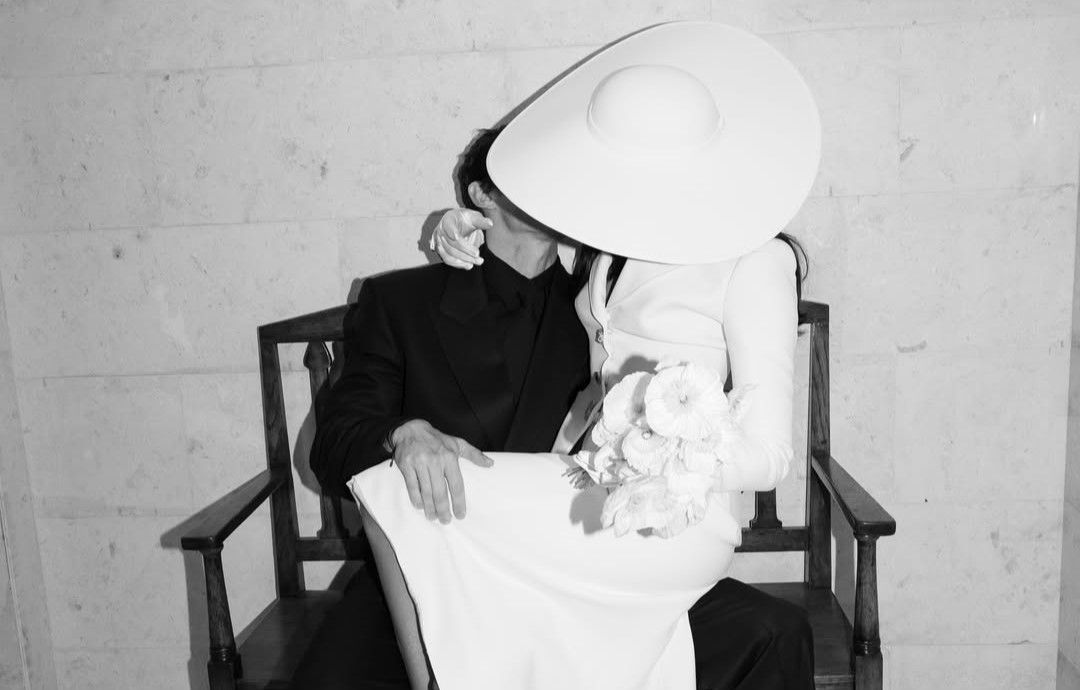
The fashion world's collective gaze recently fixed on singer-songwriter Dua Lipa's surprise marriage to actor Callum Turner, not merely because of the unexpected ceremony itself but largely due to the bride's sartorial choice. Rather than embracing the conventional white gown, Lipa selected a custom ivory Schiaparelli skirt suit that married contemporary sophistication with a nod to style legend Bianca Jagger's iconic 1971 wedding ensemble. The choice proved symbolically significant, arriving at a cultural moment when the skirt suit—long relegated to boardrooms and palace functions—is quietly reshaping itself into something altogether more compelling for today's fashion landscape.
The garment's transformation speaks to broader changes in how contemporary consumers approach dressing. Where the skirt suit once represented an unambiguous declaration of corporate conformity or institutional formality, designers and style influencers now treat it as a canvas for creative reinvention. The silhouette occupies an intriguing middle ground: more structured and intentional than an unadorned dress, yet less rigidly formal than traditional trousered suiting. This positioning has proven remarkably attractive to a generation increasingly suspicious of rigid dress codes and more interested in pieces that can traverse multiple contexts within a single day.
Proenza Schouler has emerged among the vanguard in recalibrating the skirt suit for contemporary sensibilities. The label's recent collections have paired clean-lined blazers with sleek midi skirts, deliberately favouring relaxed tailoring and fluid proportions over the stiff, institutional aesthetic that once dominated corporate dressing. This approach signals a philosophical shift: the skirt suit need not announce its wearer's submission to hierarchy but rather their facility with sophisticated dressing. The resulting aesthetic feels simultaneously authoritative and approachable, commanding attention without broadcasting rigidity.
At Vivienne Westwood, the skirt suit has remained a consistent presence, though always filtered through the house's distinctive aesthetic combining rebellion with romance. Structured jackets frequently encounter asymmetrical cuts, draped fabrics and unexpected silhouettes that would have seemed inconceivable in conventional power-dressing contexts. This treatment demonstrates how a ostensibly traditional garment can be radically transformed through thoughtful design intervention, emerging as something strikingly avant-garde while maintaining fundamental recognisability.
The recent emergence of the skirt suit in high-profile public appearances further underscores its evolving cultural position. Actress Zendaya wore a sharply tailored example at this year's CinemaCon, styling it with the sort of understated confidence that positioned the look somewhere between boardroom and editorial spread. The ensemble conveyed neither corporate conservatism nor dated formality but rather an assured understanding of contemporary style conventions. This particular visibility matters considerably, as celebrity endorsement continues to significantly influence fashion adoption patterns, particularly among younger consumers establishing their own stylistic vocabularies.
Melania Trump's longstanding relationship with luxury skirt suits—particularly her frequent selections of tailored examples from prestigious fashion houses during her tenure as first lady—has simultaneously reinforced the garment's association with power dressing while demonstrating its generational flexibility. Her consistent styling choices have subtly repositioned the skirt suit within broader conversations about authority and femininity, suggesting that the two concepts need not exist in tension but rather can be deliberately synthesised through thoughtful garment selection.
What fundamentally distinguishes the contemporary skirt suit revival from previous iterations is the emphasis on versatility and personal expression rather than conformity to established codes. The modern skirt suit functions effectively whether paired with pointed pumps suggesting classical formality, with loafers implying measured pragmatism, or with trainers introducing deliberate informality. This adaptability reflects wider consumer priorities around longevity, individual expression and the rejection of rigid dress categories. The piece becomes genuinely functional across diverse contexts rather than signalling submission to a single prescribed aesthetic.
For Malaysian and Southeast Asian fashion consumers, this revival carries particular resonance. The region's warm climate and relatively cosmopolitan urban centres have historically embraced tailored separates over rigid suiting, and the modernised skirt suit aligns naturally with these existing preferences. Furthermore, the garment's ability to convey professional competence without excessive formality addresses persistent tensions within evolving workplace cultures across the region, where traditional hierarchies coexist with increasing informality.
The skirt suit's renewed prominence ultimately reflects a fundamental evolution in how fashion functions within contemporary life. Rather than representing a single fixed meaning or social message, the garment has become a flexible instrument through which individuals craft their own narratives. Its power lies not in enforcing conformity but in enabling the wearer to balance multiple, sometimes contradictory impulses: professionalism and playfulness, tradition and innovation, femininity and authority. In an era increasingly sceptical of monolithic style prescriptions, the reconfigured skirt suit offers something genuinely valuable—a versatile framework within which contemporary dressing becomes a matter of personal choice rather than institutional mandate.

