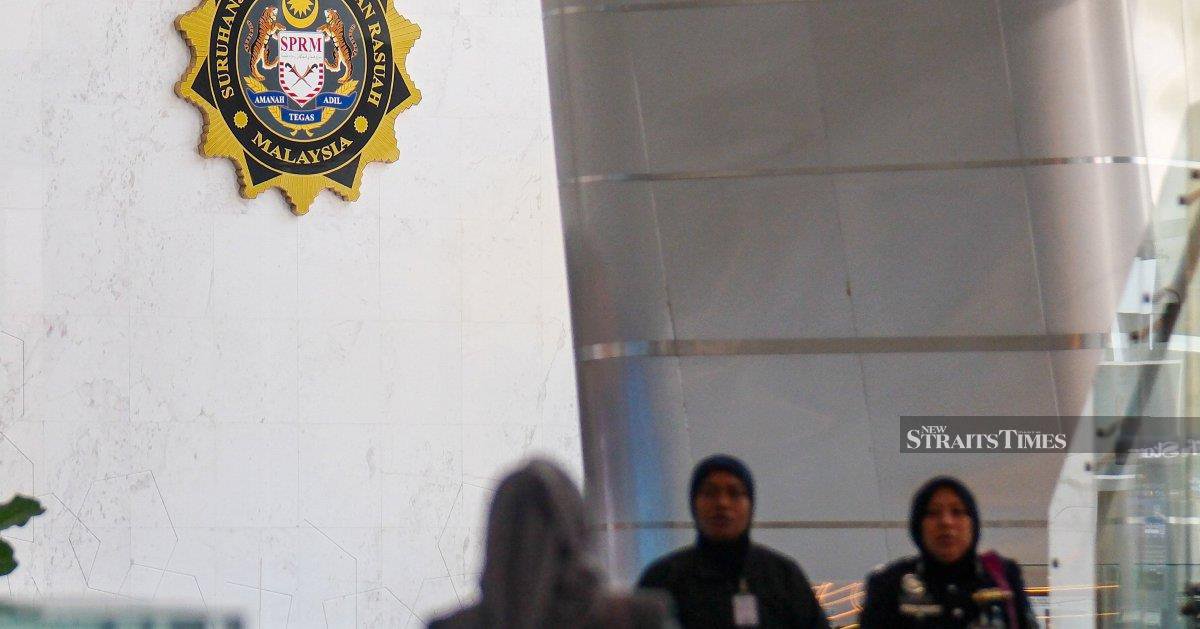
The Malaysian Anti-Corruption Commission (MACC) has expanded its enforcement action in the sprawling Tabung Haji scandal, bringing three additional suspects into custody as investigators intensify their examination of the Islamic pilgrimage fund's financial irregularities. The arrests, announced in Putrajaya, centre on allegations of misappropriation linked to approximately RM450,000 in Notice of Penalty charges that emerged from findings contained in a Royal Commission of Inquiry report examining Tabung Haji's administration and governance failures.
This latest enforcement push marks a significant escalation in the MACC's response to damaging revelations about how the institution responsible for managing Malaysian Muslims' savings for the hajj pilgrimage allowed substantial funds to be diverted or improperly handled. The three individuals now under investigation join a growing list of current and former officials facing scrutiny as authorities work through the extensive findings documented in the RCI investigation, which presented a comprehensive account of systemic weaknesses, oversight failures, and financial impropriety within Tabung Haji's operations.
Tabung Haji has occupied a special place in Malaysian society for decades, serving millions of Muslim savers who entrust their life savings to the institution with the sacred goal of performing the hajj to Mecca. The revelation that significant sums—amounting to billions of ringgit across multiple years—were lost through poor investment decisions, questionable loan approvals, and inadequate risk management has shaken public confidence in an organisation that positioned itself as both a financial custodian and religious institution. The RM450,000 in penalty notices now at the centre of these arrests represents one component of the broader financial mismanagement uncovered by investigators.
The RCI's examination of Tabung Haji proved exhaustive and damning, documenting how governance safeguards were circumvented, how decision-making processes lacked proper oversight, and how accountability mechanisms failed at multiple levels. Regulators and supervisory bodies tasked with monitoring the institution's activities also faced criticism for insufficient vigilance. These institutional failures created an environment where improper financial practices could persist and compound, ultimately eroding the savings of ordinary Malaysians who had made regular contributions throughout their working lives.
The arrest of these three individuals signals that MACC investigators have identified sufficient evidence to believe individuals acted dishonestly or unlawfully in connection with the penalty notices. The investigation will likely examine whether these individuals conspired to issue, suppress, or improperly handle the penalty charges, or whether they benefited personally or facilitated others in benefiting from arrangements involving these funds. Each layer of investigation builds a clearer picture of how money was diverted from its intended purposes.
For Malaysia's broader anti-corruption agenda, the Tabung Haji cases underscore the importance of persistent investigation and prosecution following RCI findings. Such commissions frequently uncover significant wrongdoing, but enforcement outcomes determine whether accountability extends beyond public embarrassment to meaningful consequences for those responsible. The MACC's sustained focus on following investigative threads and bringing suspects before the courts demonstrates institutional commitment to converting investigative reports into criminal cases where evidence warrants.
The scale of alleged misappropriation within Tabung Haji has profound implications for Malaysian Muslims and the integrity of Islamic financial institutions generally. When flagship organisations fail to safeguard deposits with appropriate diligence, it undermines public confidence in faith-based financial alternatives and raises questions about governance standards across the Islamic banking and finance sector. The need for robust accountability becomes all the more acute when institutions hold quasi-governmental status and manage funds from economically vulnerable populations.
These arrests also reflect international best practices in anti-corruption enforcement, where investigators do not simply accept RCI reports as case-closed documents but instead utilise them as foundations for detailed criminal investigation and prosecution. The time-intensive process of converting investigative findings into prosecutable cases requires sustained resource allocation, expert analysis of financial records, and determination to see matters through to judicial proceedings.
Looking forward, observers will monitor whether these arrests lead to formal charges and courtroom proceedings that finally deliver consequences for those identified as responsible for Tabung Haji's collapse. The institution's rehabilitation, rebuilding stakeholder trust, and ensuring reformed governance structures that prevent future abuse all depend on demonstrating that accountability mechanisms work in practice, not merely in theory.

