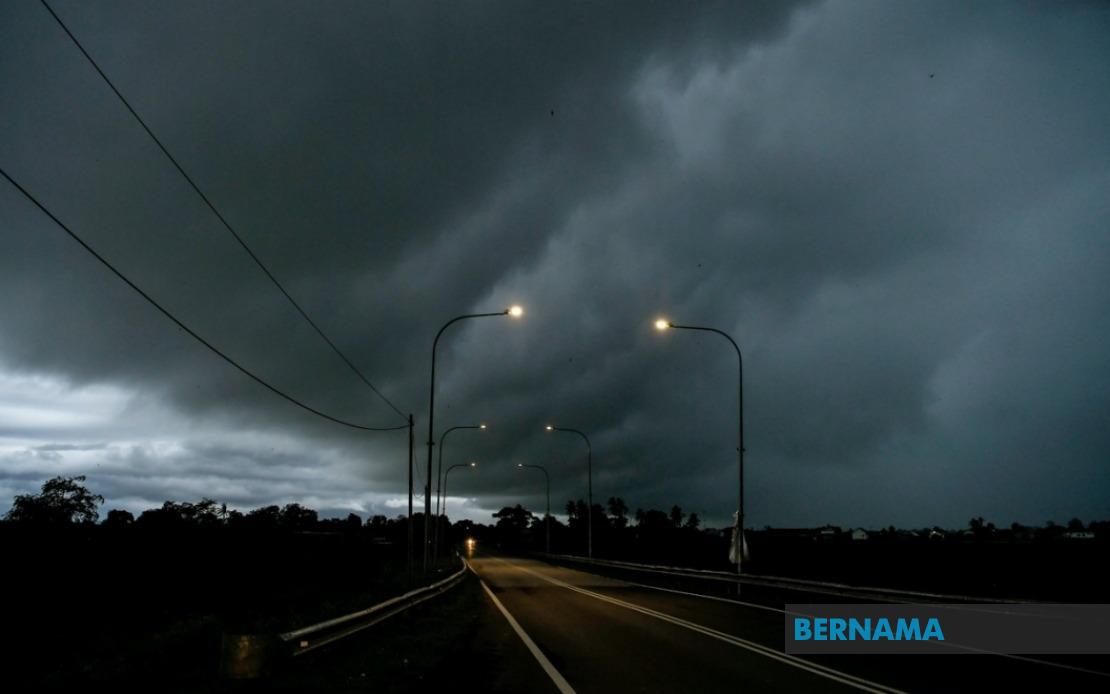
The Malaysian Meteorological Department has activated a severe weather alert spanning much of the country's peninsular region and East Malaysia, cautioning residents and commuters to prepare for sudden thunderstorms, intense downpours and gusty conditions throughout the afternoon and early evening. The warning, which takes effect until 9pm today, encompasses nine states plus the federal territory of Labuan, representing a significant portion of the nation's population centres and transportation corridors.
In the northern region, the entire state of Perlis has been placed under alert, alongside multiple districts within neighbouring Kedah and Perak. The affected Kedah areas include the tourist hotspot of Langkawi as well as the mainland municipalities of Kubang Pasu, Kota Setar, Pokok Sena, Padang Terap, Sik and Baling. Perak's warning zones cover Kerian, Larut, Matang and Selama, the state capital region of Kuala Kangsar, and the economically significant Kinta and Kampar districts, which are home to significant industrial and agricultural activities.
The alert extends southward along the peninsula's eastern corridor and central regions, with Pahang's highland and lowland areas including the popular tourist destination Cameron Highlands, alongside Bentong, Bera and Rompin facing potential severe weather. Selangor, the nation's most densely populated state, has the Hulu Langat district on alert, a region that supplies water to the capital and surrounding areas. Negeri Sembilan's interior districts of Jelebu and Jempol are similarly affected, while Johor's southern municipalities of Segamat, Kluang and Mersing round out the peninsular coverage.
The warning reflects typical monsoon patterns that characterise Malaysia's tropical climate during certain periods, when atmospheric conditions combine to produce isolated but intense convective storms. These weather systems, while generally brief, can generate substantial rainfall in short timeframes, potentially leading to flash flooding in low-lying areas and disruptions to road networks. Motorists traversing highways through affected zones should exercise heightened caution, particularly in areas prone to visibility reduction during heavy precipitation.
East Malaysian territories face similarly volatile conditions, with Sarawak experiencing widespread alert coverage. The affected regions span from the capital division of Kuching (encompassing the districts of Bau and central Kuching) through Serian and Samarahan divisions including Asajaya, extending to the coastal divisions of Sarikei with its Meradong area, Sibu, and Mukah's Tanjung Manis. Inland divisions including Kapit, Bintulu and Miri have also been flagged, with Kapit's Song area, Bintulu's Tatau and Sebauh subdivisions, and Miri's Marudi district specifically mentioned. Limbang in the north completes Sarawak's coverage.
Sabah's alert encompasses both interior highland communities and coastal populations, with the interior regions of Sipitang, Kuala Penyu, Beaufort and Tambunan at risk, complemented by warnings for the state's densely settled west coast areas and the eastern divisions of Sandakan, including its interior Tongod and Kinabatangan districts. These East Malaysian alerts are particularly significant given that some interior and rural areas experience limited accessibility during severe weather, potentially isolating communities from supply routes and emergency services.
The issuance of such comprehensive warnings underscores the unpredictable nature of tropical convection across the archipelago. Even during non-monsoon periods, localised atmospheric instability can trigger sudden thunderstorm development, particularly in regions with varying topography or proximity to major water bodies. The afternoon and early evening timeframe specified in the alert aligns with typical heating cycles that intensify atmospheric convection during daylight hours.
Residents and businesses across the affected zones are advised to secure outdoor installations, avoid outdoor activities during the height of the storm period, and remain alert to developing conditions. Public transportation operators and road authorities have been implicitly placed on standby, as such weather events can necessitate temporary service adjustments or traffic management interventions. Schools and commercial establishments in vulnerable areas should review contingency protocols, particularly regarding early dismissal or temporary closure procedures.
The department's decision to issue warnings hours in advance rather than only upon storm detection reflects improved meteorological forecasting capabilities, enabling better public preparation. Such alerts allow individuals and organisations across diverse sectors—from agriculture to aviation to maritime operations—to implement protective measures proportionate to actual risks. For residents in flood-prone communities, the early warning provides critical time to move valuables to safety or relocate if necessary.
The geographic scope of this alert, extending from Perlis in the far north to interior Sabah and Sarawak in the east, demonstrates how tropical weather systems can affect multiple regions simultaneously despite the nation's expansive territory. Such widespread conditions often indicate larger-scale atmospheric patterns rather than isolated localised phenomena. Understanding and preparing for these recurring seasonal and inter-seasonal weather events remains essential for all Malaysians, particularly those in historically vulnerable areas or communities with limited infrastructure resilience.