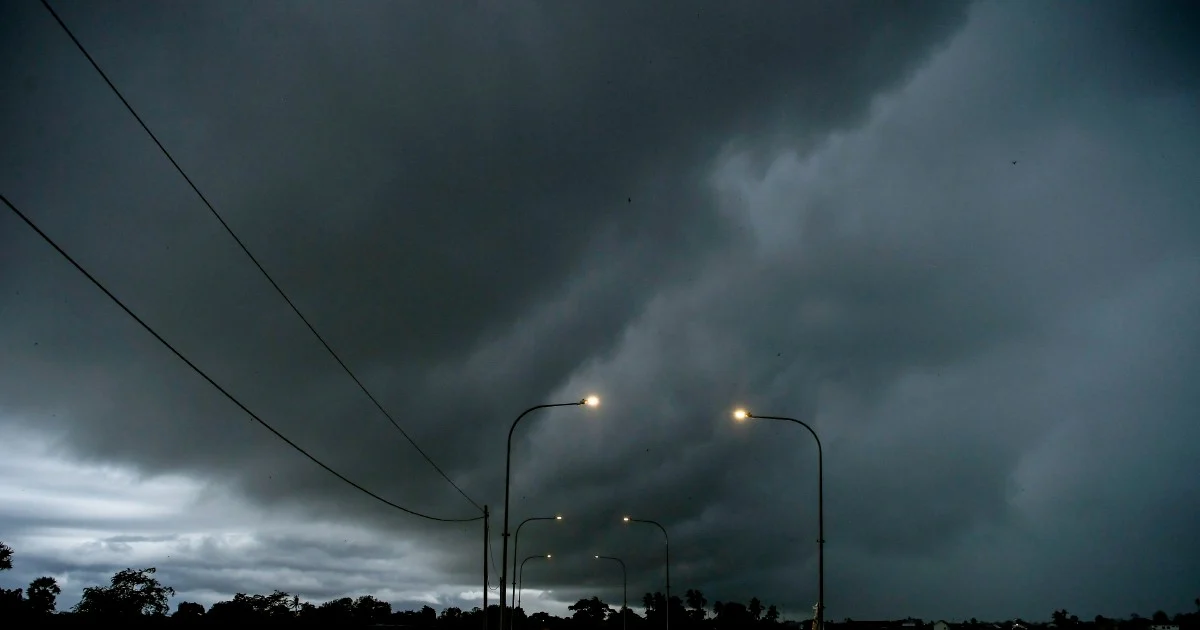
The Malaysian Meteorological Department has activated a comprehensive weather alert covering vast swathes of the country, warning of intense thunderstorm activity accompanied by heavy precipitation and hazardous wind conditions across numerous locations in Peninsular Malaysia alongside both Sabah and Sarawak until 5pm today. The alert underscores the unpredictable nature of Malaysia's tropical climate during certain seasons, when atmospheric instability can rapidly trigger convective weather systems that pose genuine risks to daily activities and public safety.
Thunderstorms of this magnitude typically develop when warm, moisture-laden air masses collide with cooler atmospheric layers or when sea-breeze convergence zones intensify, particularly common during afternoon hours when solar heating reaches its peak. In the Malaysian context, such phenomena are neither unusual nor rare, yet they demand serious attention given the potential consequences for transportation networks, outdoor activities, and vulnerable infrastructure. The department's decision to issue a formal warning reflects meteorological confidence that conditions warrant public awareness and precautionary measures.
Heavy rainfall represents perhaps the most immediate concern for residents and authorities across affected regions. Such concentrated downpours can rapidly overwhelm drainage systems, particularly in urban areas where concrete surfaces prevent natural water absorption and older infrastructure may lack adequate capacity. Communities in low-lying zones face heightened flood risk during these episodes, as water accumulates faster than it can be channelled away through conventional drainage networks. The rainfall intensity predicted carries implications for transportation networks, with flash flooding potentially affecting roads, rail services, and even pedestrian safety in affected localities.
Strong winds accompanying these thunderstorms pose additional hazards that warrant consideration. Gusty wind conditions can dislodge unsecured objects, damage temporary structures, and create dangerous conditions for high-sided vehicles on highways. Tree branches may be blown down, potentially landing on vehicles or blocking road access. For those working at heights or in exposed outdoor environments, the wind component of the alert carries particular significance and demands appropriate safety precautions. Maritime activities and coastal operations also require heightened vigilance given the unpredictable nature of storm-driven wind patterns.
The geographic scope of this alert—encompassing significant portions of Peninsular Malaysia while extending to both Sabah and Sarawak—indicates a widespread atmospheric pattern rather than a localised disturbance. This suggests that multiple weather systems or a broad pressure anomaly is influencing conditions across the entire nation. Such comprehensive alerts often reflect monsoon-related patterns or the passage of significant weather disturbances that affect the entire region simultaneously. The simultaneous issuance of warnings across such distances underscores the interconnected nature of regional weather systems in Southeast Asia.
For Malaysian residents and visitors, the practical implications of this alert are substantial. Commuters should exercise caution during the warned period, allowing extra travel time and avoiding waterlogged routes. Parents and educators may need to reconsider outdoor activities and sporting events scheduled for this afternoon. Business operations, particularly those reliant on outdoor work, may face disruptions. Public events and outdoor gatherings warrant postponement or relocation to covered venues. Those with elderly relatives or neighbours should consider checking on their welfare, as extreme weather can be particularly challenging for vulnerable populations.
Automobile drivers face specific risks during heavy thunderstorm conditions. Reduced visibility from heavy rain, combined with lightning hazards and potential hydroplaning on wet roads, creates a genuinely dangerous driving environment. The Malaysian police and road safety authorities typically observe increased accident rates during such weather events, highlighting the critical importance of reducing speed and increasing following distances. Drivers should avoid unnecessary journeys and, if caught in severe conditions, should pull over in a safe location rather than attempting to navigate through zero-visibility situations.
Emergency services and local authorities across affected states have likely mobilized resources in preparation for potential weather-related incidents. Fire and rescue departments, police, and municipal services typically increase readiness during severe weather warnings, positioning personnel and equipment to respond rapidly to flooding, accidents, or other emergencies. Drainage maintenance teams may also be on standby to address blockages that could exacerbate flooding situations. This institutional preparedness reflects lessons learned from previous severe weather events and demonstrates how weather warnings trigger coordinated response mechanisms across government agencies.
The five-o'clock evening deadline for this alert suggests that meteorological modeling indicates the system should weaken or move past the affected areas by that time. However, residents should understand that such forecasts, while informed by sophisticated modeling, cannot be perfectly precise. Weather systems occasionally behave unexpectedly or linger longer than anticipated. Therefore, the cessation of this formal alert should not lead to immediate complacency. Conditions may remain unsettled or potentially hazardous beyond the official warning period, and individuals should continue monitoring official channels for updates or any extension of the alert.
For those planning activities or travel during the warned hours, flexibility and preparedness represent the optimal approach. Checking real-time weather updates from MetMalaysia before departing home, carrying appropriate rain gear, and maintaining awareness of local conditions throughout the afternoon can significantly reduce weather-related risks. The department's commitment to issuing timely warnings reflects investment in meteorological capacity and demonstrates the importance of heeding such guidance when it is issued. By respecting weather alerts and taking appropriate precautions, Malaysians can substantially mitigate the impacts of severe weather events on their daily activities and safety.

