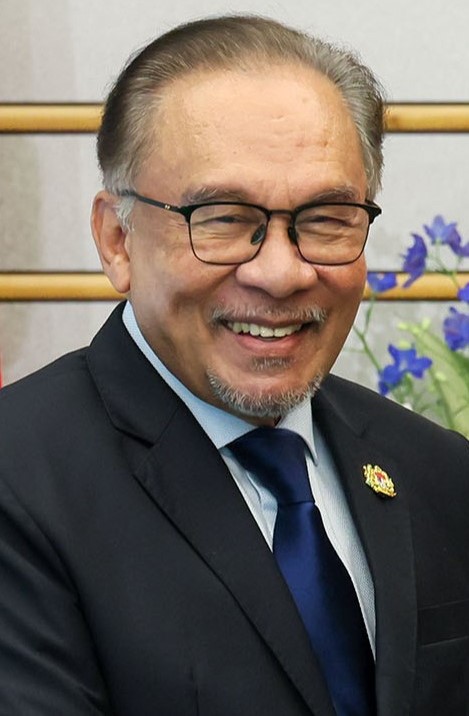
Tony Pua, the former Damansara member of parliament, has now been formally designated as a suspect in an ongoing police inquiry centring on a social media post regarding the Rukun Negara, a significant shift from his previous standing as a witness. This escalation indicates that authorities have gathered sufficient evidence to justify potential criminal proceedings, with Pua indicating that formal charges could be filed against him within the coming weeks.
The investigation stems from content posted on Facebook touching on Malaysia's national principles, the Rukun Negara. The move from witness status to suspect represents a critical juncture in the case, suggesting that investigators have concluded Pua's involvement may extend beyond merely providing information. Under Malaysian law, this reclassification permits authorities to conduct more extensive questioning and retain greater discretion in pursuing further investigative steps.
Pua's account of his status change came during what appears to be continued police questioning, reflecting the expanding scope of the inquiry. The shift signals that the investigation has moved beyond the preliminary stages of evidence gathering toward a phase where specific individuals are under formal suspicion. This development carries significant implications for the former legislator, who represented Damansara until the recent electoral cycle.
The Rukun Negara, comprising five founding principles upon which Malaysia's national identity rests, carries constitutional weight and considerable symbolic importance within Malaysian discourse. Any investigation involving purported violations or inappropriate commentary concerning these principles attracts heightened public and official scrutiny. Posts or statements perceived as questioning or denigrating these national tenets have increasingly become the subject of law enforcement action, reflecting broader conversations about freedom of expression and national cohesion.
Pua's digital footprint and public commentary have frequently sparked controversy, given his background as a vocal parliamentarian known for incisive political critique. His transition to suspect status in this particular matter may carry broader implications for how social media discourse on constitutional matters is monitored and potentially prosecuted. The case exemplifies an emerging pattern wherein online statements addressing sensitive national symbols face legal investigation.
The timeline indicated by Pua—that charges could materialize within weeks—suggests that the investigative groundwork is substantially complete. Malaysian police procedures typically require a certain evidentiary threshold before upgrading individuals from witness to suspect status, implying that investigators believe they have assembled a compelling case. This acceleration also suggests that prosecuting authorities may be preparing their position for possible court proceedings.
From a broader Southeast Asian perspective, Malaysia's approach to regulating commentary on national symbols reflects tensions common across the region between safeguarding constitutional identity and protecting individual expression. How authorities handle this matter could establish precedent for future investigations into social media content touching on sensitive national matters. The case occurs within a context where multiple democracies in the region grapple with balancing social cohesion against the imperatives of open discourse.
Pua's professional standing amplifies the visibility of this investigation. As a former parliamentarian with a substantial public profile, any legal proceedings would attract significant attention from political observers, civil society advocates, and international commentators monitoring rule of law developments in Malaysia. His prominence may also influence how different constituencies interpret the investigation's appropriateness and fairness.
The investigation's focus on a Facebook post, rather than statements made in parliament or public forums, raises questions about the scope of digital surveillance and the extent to which online platforms function as spaces subject to the same legal frameworks governing physical speech. This distinction matters considerably for understanding the contemporary regulation of Malaysian political discourse, where social media increasingly serves as the primary medium for public debate and political communication.
Legal observers in Malaysia will be monitoring this case closely as it progresses toward potential charges. The specific allegations, the nature of Pua's post, and the legal basis for any prosecution will likely attract interpretation from constitutional scholars and human rights advocates. The eventual outcome could influence how public figures assess the risks associated with posting critical or challenging commentary on national matters online.
For Malaysian citizens and regional observers, this case underscores the significance of understanding one's legal exposure when engaging with sensitive national topics on digital platforms. What constitutes permissible commentary versus actionable legal violation remains contested ground in Malaysian law, and cases like Pua's contribute to the gradual clarification of these boundaries through judicial proceedings.