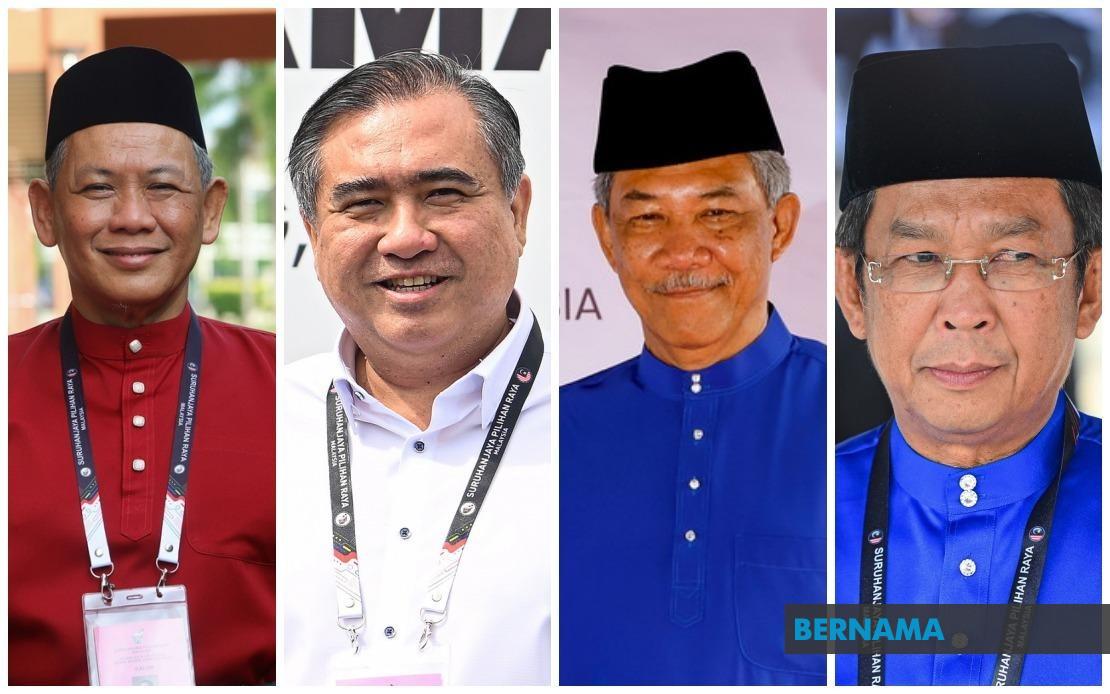
The 16th Negeri Sembilan state election is shaping up as a genuine test for the state's political establishment, with prominent figures from the ruling Pakatan Harapan coalition and opposition Barisan Nasional encountering unexpected resistance in their respective constituencies. Following nomination proceedings on July 18, the campaign period has officially begun with voting scheduled for August 1, ensuring that several high-profile races will dominate the political landscape over the coming weeks.
Caetaker Menteri Besar Datuk Seri Aminuddin Harun faces a particularly difficult path in the Linggi seat, where he confronts both the incumbent Barisan Nasional representative and a Bersatu challenger. As both chairman of Negeri Sembilan PH and PKR vice-president, Aminuddin's position reflects the broader competitive dynamics that have characterised recent Malaysian politics, with the traditional two-coalition contest now regularly fractured by third-party interventions. The three-cornered configuration in Linggi exemplifies how newer entrants, particularly Bersatu, continue to fragment support bases that opposition parties once relied upon for electoral dominance.
The battle for Chennah presents another significant storyline, pitting Transport Minister Anthony Loke against MCA's rising talent. As DAP secretary-general and long-standing champion of the seat since 2013, Loke has built substantial incumbency advantages; however, his national profile and ministerial responsibilities mean he cannot take the constituency for granted. The contest underscores tensions within the broader BN-PN dynamic, as established coalition partners seek to reclaim ground in demographically shifting constituencies.
Foreign Minister Mohamad Hasan faces perhaps the most symbolically significant challenge in Rantau, where the 70-year-old UMNO deputy president encounters a notably younger PH rival. Locally known as Tok Mat, Mohamad has represented the seat continuously since 2004, establishing deep community roots; yet the generational contrast with his opponent signals shifting voter preferences that may favour fresh voices and perspectives. This contest potentially reflects broader concerns about leadership renewal within UMNO and traditional political establishments.
Pertang presents a fragmented three-way contest involving Negeri Sembilan UMNO chief Jalaluddin Alias of BN against challengers from PH and Bersatu. Having held the seat for a decade, Jalaluddin's position illustrates the vulnerability facing incumbent representatives when opposition unity splinters. The multiplication of choices available to voters in such configurations often creates unpredictable outcomes, making individual campaign performance and local ground organisation increasingly decisive.
Nilai demonstrates even greater electoral complexity through a five-cornered battle involving DAP deputy chairman J. Arul Kumar alongside representatives from BN, Bersatu, a smaller coalition partner, and an independent candidate. Such proliferation of choices transforms elections from traditional two-way contests into more nuanced competitions requiring candidates to build broad appeal across diverse voter segments. The incumbent's organisational machinery becomes less decisive when vote fragmentation occurs across multiple directions.
Sri Tanjung similarly witnesses a five-way clash, notably featuring the contest's youngest candidate, 23-year-old Bersatu representative Leevineshwaraan Murugan, against PH's incumbent physician and several other challengers. The emergence of such youthful candidates reflects both parties' efforts to refresh their image and appeal to younger voters concerned about representation and forward-thinking governance approaches.
The overall candidate composition reveals underlying dynamics in Negeri Sembilan politics. Pakatan Harapan has fielded the complete slate of 36 candidates, establishing clear commitment to contesting every seat despite holding the state government. Barisan Nasional follows with 25 candidates, while Bersatu presents 24 aspirants, demonstrating significant resources dedicated to recapturing ground in a state where it possesses historical strength. Perikatan Nasional fields 11 candidates, while smaller parties and independents account for the remaining positions among 103 total contenders.
This electoral configuration reflects Malaysia's increasingly fractionalised political landscape, where single coalitions no longer possess near-monopolistic influence over voter choice. The fragmentation particularly affects opposition competition, as Bersatu's consistent presence across constituencies splits potentially anti-government votes. For Pakatan Harapan, maintaining Negeri Sembilan's state government control requires not merely outpolling BN but managing the Bersatu factor across multiple constituencies simultaneously.
The campaign period, lasting 14 days through July 31, provides candidates limited opportunity to shift voter perceptions or recover ground lost through candidate selection controversies or internal organisational disputes. Early voting has been scheduled for July 28, providing an alternative for those unable to vote on polling day, potentially increasing overall turnout and complicating campaign calculations for all contending parties.
For Malaysian political observers, the Negeri Sembilan election offers significant signals regarding broader national trends. Success or failure by PH in defending state government control despite facing unified opposition and Bersatu competition would carry implications for subsequent federal-level contests. Similarly, BN's performance suggests whether the coalition retains relevance in peninsular politics or continues declining. Bersatu's ability to translate candidate deployment into actual seat gains will demonstrate whether the party has genuinely established itself as a third political force or merely splinters votes without delivering electoral returns.

