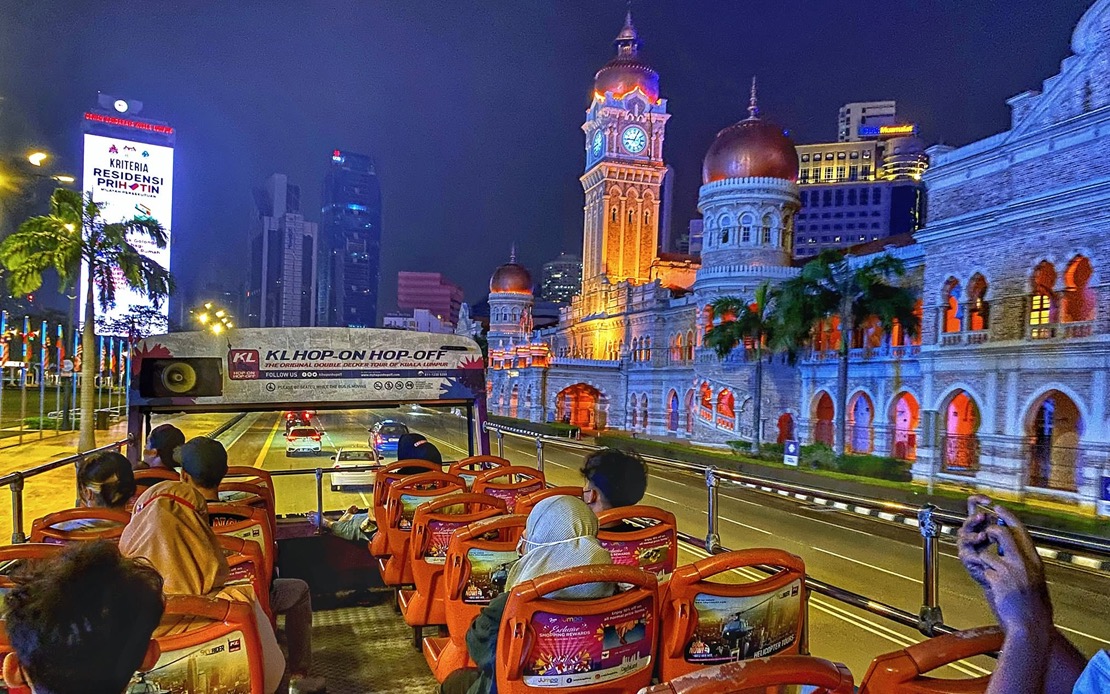
Tourism Malaysia and bus operator Elang Wah Sdn Bhd, which manages the KL Hop-On Hop-Off service, unveiled a domestic tourism promotion campaign here on June 24, using the city's distinctive sightseeing buses as mobile billboards to encourage Malaysians to explore their own country. The initiative aims to build momentum for Visit Malaysia 2026 by strengthening grassroots engagement with domestic travellers and showcasing the breadth of Malaysia's tourism offerings through innovative, high-visibility marketing.
Minister of Tourism, Arts and Culture Datuk Seri Tiong King Sing underscored the strategic importance of domestic tourism to Malaysia's broader economic agenda, noting that local travel patterns directly fuel employment across hospitality, transport, retail and entertainment sectors while distributing tourism revenues beyond major urban centres. He characterised the partnership with KL Hop-On Hop-Off as exemplifying how public-private cooperation can simultaneously achieve multiple policy objectives: encouraging Malaysians to develop pride in their destinations, enhancing the competitiveness of domestic tourism offerings, and establishing quality benchmarks that will serve Malaysia well during the anticipated surge in international arrivals in 2026.
The campaign deploys six specially wrapped KL Hop-On Hop-Off buses, each vehicle's exterior featuring visual representations of Malaysia's most compelling attractions spread across 15 states and federal territories. The design selection ranges from iconic cultural landmarks such as the Sri Sendayan Mosque in Negeri Sembilan to natural wonders including the Pinnacles of Mulu in Sarawak, effectively distilling Malaysia's geographical and cultural diversity into a mobile tour of the nation's identity. This creative approach transforms routine commutes and sightseeing journeys into impromptu tourism promotion experiences for thousands of daily commuters and visitors.
Beyond aesthetic appeal, the wrapped buses incorporate functional technology in the form of interactive QR codes positioned to capture attention from both passengers aboard the vehicles and pedestrians encountering them throughout Kuala Lumpur's streets. These codes serve as digital gateways connecting users directly to Visit Malaysia 2026 curated travel packages, the official Calendar of Events featuring major festivals and attractions nationwide, and dedicated state-level tourism websites offering detailed information about regional experiences. This integration of physical and digital marketing channels allows Tourism Malaysia to capture consumer interest at the moment of discovery and channel enquiries toward booking and planning platforms.
The timing of this campaign capitalises on exceptionally robust momentum in Malaysia's domestic tourism sector. During 2025, domestic tourism recorded a striking 21.3 per cent year-on-year increase in visitor numbers, with 290.1 million Malaysians undertaking domestic trips compared with 260.1 million during 2024. This growth trajectory reflects both successful marketing efforts and fundamental shifts in travel behaviour, as Malaysians increasingly prioritise staycations and regional exploration, particularly following the pandemic-induced normalisation of leisure travel patterns. The scale of these figures underscores the enormous economic potential embedded within local demand.
Financial metrics reinforce the significance of these visitor volume increases. Total domestic tourism expenditure surged by 13.3 per cent year-on-year to reach RM121.0 billion in 2025, compared with RM106.7 billion recorded during 2024. This substantial spending growth indicates that domestic travellers are not merely increasing trip frequency but also extending journey durations and elevating expenditure intensity through accommodation upgrades, dining experiences, and activity participation. For Malaysian tourism businesses operating outside the international circuit—regional hotels, local restaurants, adventure operators, and cultural attractions—this domestic spending represents stable, accessible revenue streams less vulnerable to geopolitical disruptions affecting international travel.
For Southeast Asian regional observers and investors, Malaysia's domestic tourism expansion signals the emergence of a substantial middle-income consumer cohort with disposable income allocated toward leisure experiences. This demographic shift carries implications beyond tourism statistics, suggesting broader economic resilience and consumer confidence in Malaysia relative to peer nations. The government's strategic focus on converting this domestic demand into international visitation through initiatives like Visit Malaysia 2026 reflects sophisticated understanding that strong local foundations strengthen competitiveness during global tourism campaigns.
The KL Hop-On Hop-Off partnership specifically targets a transit-dependent, urban-based audience with demonstrated interest in sightseeing and experiential tourism, making it an efficient channel for reaching price-sensitive and geographically mobile domestic travellers. These bus users typically occupy middle-income demographics, represent repeat visitors to Kuala Lumpur, and possess higher propensity to engage with packaged tourism experiences—making them ideal ambassadors for expanded regional travel when exposed to promotional content regarding other Malaysian destinations.
Looking toward Visit Malaysia 2026, this domestic campaign serves dual purposes: establishing benchmark quality standards through curated local experiences that international visitors will encounter, while simultaneously expanding the addressable market for Malaysian tourism businesses through increased domestic competition for premium offerings. State governments competing for tourism revenues have incentives to enhance their attractions and services to capture share of growing domestic visitation, effectively upgrading Malaysia's overall tourism infrastructure before international scrutiny intensifies.
The integration of digital marketing through QR codes represents particularly noteworthy adaptation to contemporary travel booking patterns, recognising that discovery, research, and reservation increasingly occur through mobile devices rather than traditional travel agencies or printed materials. By embedding access points to comprehensive tourism information within high-traffic urban environments, Tourism Malaysia maximises conversion potential from casual awareness to active trip planning.
For Malaysian tourism operators, hoteliers, and attractions, this campaign signals approaching intensification of competitive dynamics as both domestic and international visitor segments expand simultaneously. Differentiation through service excellence, authentic experiences, and value propositions will increasingly determine market share winners. Regional operators in Peninsular Malaysia face particular opportunity as Visit Malaysia 2026 approaches, as domestic campaign spending and subsequent international arrivals will generate overlapping waves of tourism demand creating extended peak seasons.

