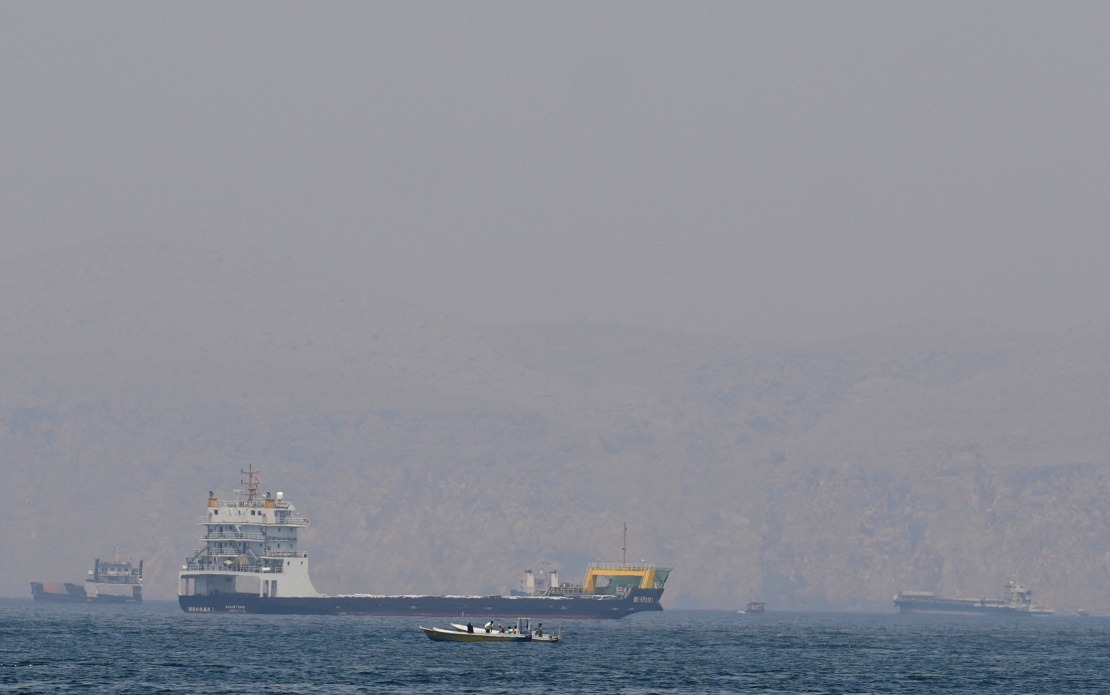
US President Donald Trump has declared that the Strait of Hormuz will remain free of maritime tolls for the next 60 days, but added a stark warning that American fees could follow if negotiations do not yield a comprehensive agreement. Speaking through his Truth Social platform on Saturday, Trump framed the moratorium as conditional, linked to ongoing diplomatic efforts aimed at achieving a lasting settlement in the region.
The ultimatum reflects escalating tensions over control of one of the world's most strategically vital waterways. The Strait of Hormuz, through which roughly one-third of global seaborne traded oil passes annually, has become a focal point of US-Iran contention. Trump's statement signals that Washington views its military presence in the Persian Gulf as a service worthy of compensation, positioning future toll collection as reimbursement for what he termed "services rendered as the guardian angel" to nations in West Asia.
Trump's remarks came shortly after Iran's Khatam al-Anbiya Central Headquarters announced plans to restrict passage through the waterway, citing alleged breaches of commitment by the United States and claims that Israel had violated ceasefire provisions in Lebanon. The Iranian military organization's assertion reflected hardening positions within Tehran's security establishment, suggesting deepening frustration with the implementation of existing agreements.
However, the US Central Command (CENTCOM) swiftly rejected Iran's claims, with spokesperson Captain Tim Hawkins asserting to journalists that American forces remain positioned strategically throughout the region to monitor compliance with all agreement provisions. CENTCOM emphasized that maritime traffic continues flowing unimpeded through the Strait, countering any suggestion that the waterway faces disruption. The military command's statement underscored Washington's confidence in its operational control and deterrent presence.
CAPTAIN Hawkins specifically disputed Iranian authority over the Strait, declaring that "Iran does not control the Strait of Hormuz." This assertion represents a fundamental disagreement over regional sovereignty and maritime rights, reflecting the broader ideological and strategic divisions between Washington and Tehran. For Malaysian and Southeast Asian observers, such disputes carry significant ramifications given regional dependence on reliable energy supplies and unobstructed maritime commerce through critical chokepoints.
The 60-day timeframe appears designed to create diplomatic space while maintaining pressure on negotiating partners. By stipulating that tolls could be introduced after this window closes, Trump has essentially set a deadline for finalizing agreements. This approach mirrors negotiating tactics employed in previous Trump administrations, where temporal constraints were used to accelerate consensus-building among reluctant parties.
The prospect of American-imposed tolls raises profound questions about maritime law and international norms governing freedom of navigation. If implemented, such a toll regime would represent an unprecedented assertion of unilateral control over a crucial international waterway, challenging established principles of open ocean transit. Regional economies already dealing with supply chain vulnerabilities would face additional costs and uncertainties.
For Malaysia and the broader Southeast Asian region, developments in the Strait of Hormuz directly impact energy security and shipping costs. Approximately eighty percent of Asia's traded oil passes through this waterway, making any disruption or new fee structures potentially consequential for the region's economic stability. Malaysian businesses and consumers ultimately bear the costs of any complications affecting this vital maritime route.
The language Trump employed—emphasizing "reimbursement of costs" for past and future security provision—suggests a transactional worldview regarding US military commitments. This framing differs markedly from traditional justifications for American naval presence, which have historically emphasized regional stability and upholding international law. The shift toward explicitly monetizing security services could signal changes in how Washington approaches its global commitments.
Iran's response, whether through threatened closures or escalatory rhetoric, will substantially shape negotiations over the coming weeks. The Islamic Republic faces pressure from both military hardliners demanding confrontation and pragmatists seeking economic relief through reduced sanctions and normalized trade. The 60-day window provides both sides opportunity to test resolve while ostensibly pursuing diplomatic solutions.
Regional powers including Saudi Arabia, the United Arab Emirates, and other Gulf Cooperation Council members will closely monitor developments, given their enormous stakes in maintaining stable energy exports and secure maritime routes. These nations, already carefully balancing relationships with Washington and managing regional tensions, face increased uncertainty about the costs and conditions governing their international commerce.
The intersection of Trump's toll proposal with existing security arrangements and international maritime law remains legally ambiguous. Precedent for imposing tolls on international straits is limited, and any attempt to enforce such fees would likely trigger international legal challenges and coalition-building against perceived overreach. The coming 60 days will reveal whether the deadline serves to concentrate minds on genuine compromise or merely postpones inevitable confrontation.

