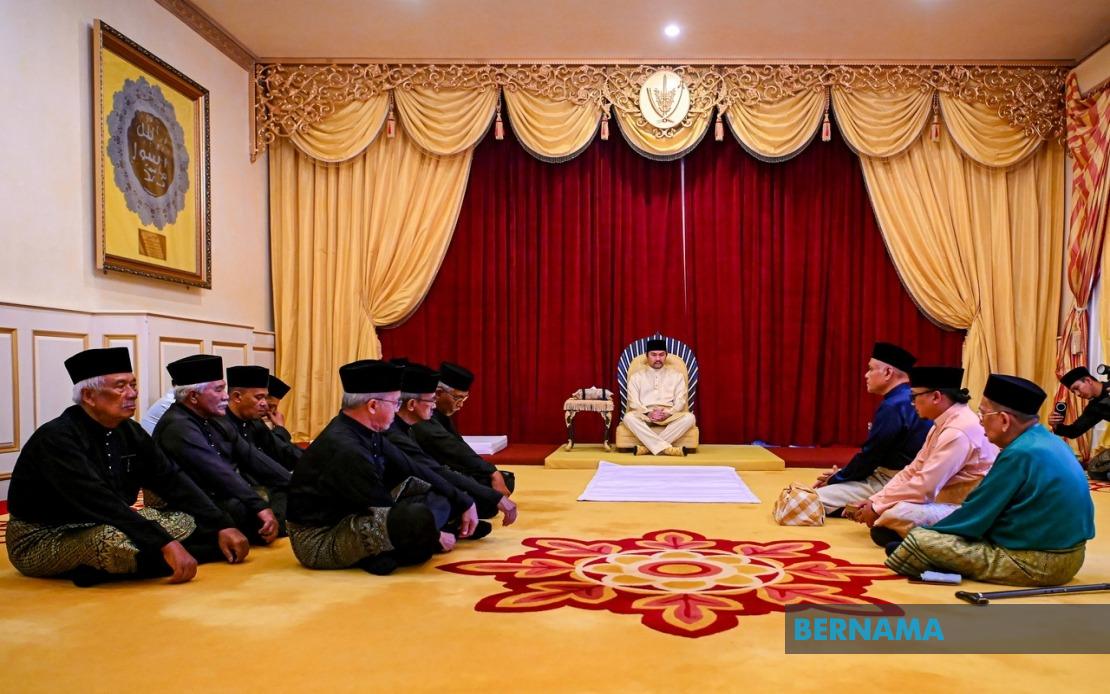
The Yang Dipertuan Besar of Negeri Sembilan, Tuanku Muhriz Tuanku Munawir, has granted his approval for a royal audience ceremony scheduled to take place at Istana Besar Seri Menanti in Kuala Pilah this Saturday morning. The ceremonial occasion will formally recognise the installation of the newly selected Undang of Luak Sungei Ujong, marking an important moment in the state's constitutional and customary framework.
The announcement came through Tunku Besar Seri Menanti Tunku Ali Redhauddin Tuanku Muhriz, who conveyed the royal consent during an audience with the Datuk-Datuk Adat of Luak Sungei Ujong and accompanying delegation. The meeting, held at the state palace today, represents the formal governmental recognition of a leadership transition that has undergone scrutiny and formal dismissal procedures in preceding weeks.
Muhammad Faris Johari, at 29 years old, has been selected as the 11th Undang of Luak Sungei Ujong through the Buapak customary council assembly, which operates according to established adat practices unique to the Sungei Ujong district. The selection process adheres to time-honoured traditions that have governed leadership succession within this particular luak, or administrative division, of Negeri Sembilan. Waris Negeri Sungei Ujong Datuk Sinda Maharaja Razlan Hamid confirmed to media representatives that the customary selection had been executed in full compliance with local traditions and practices.
The installation ceremony follows the formal dismissal of Datuk Klana Petra Datuk Mubarak Dohak from his position as the 10th Undang of Luak Sungei Ujong. The Dewan Keadilan dan Undang, Negeri Sembilan's judicial and customary authority, had previously accepted this dismissal, paving the way for the new leadership appointment. Menteri Besar Datuk Seri Aminuddin Harun confirmed that the dismissal decision was determined at a special sitting held at Istana Besar Seri Menanti and presided over by Tuanku Muhriz himself.
Tunku Ali Redhauddin's statement emphasised the importance of customary compliance in the selection process. He noted that his father, the Yang Dipertuan Besar, recognised the adherence to established adat procedures and formally consented to proceed with the formalisation ceremony. The Tunku Besar indicated that practical arrangements and ceremonial details would be coordinated between the adat leadership and the Orang Empat Istana, the palace administrative body responsible for coordinating state functions.
The significance of this appointment extends beyond Sungei Ujong itself, as it reinforces the continuing vitality of Negeri Sembilan's distinctive adat perpatih system, which differs substantially from the adat temenggong systems found in other Malaysian states. The careful observance of customary procedures in leadership selection demonstrates the state's commitment to preserving constitutional traditions even as it adapts to contemporary governance needs. The involvement of the Yang Dipertuan Besar in formally ratifying the appointment underscores the constitutional importance placed upon such transitions.
Parallel proceedings are also taking place within Negeri Sembilan's political structure. A royal audience ceremony has similarly been scheduled for the same Saturday morning to formalise the installation of the 22nd Undang of Luak Rembau, following approval granted by Tuanku Muhriz the previous day. This concurrent installation indicates a broader transition period within the state's luak leadership structure, suggesting systematic renewal rather than isolated change.
The adat system in Negeri Sembilan operates as a crucial element of the state's governance framework, with the Undang serving as custodians of customary law and traditions within their respective luaks. These positions carry significant ceremonial, advisory, and cultural responsibilities. The formal installation ceremonies are not merely symbolic occasions but represent the state's constitutional recognition of new custodians of these vital customary responsibilities.
For Malaysian readers and the broader Southeast Asian context, the Sungei Ujong succession illustrates how constitutional monarchies and traditional governance systems continue to function in tandem across Malaysia. The respect accorded to adat procedures and the formal involvement of the Yang Dipertuan Besar in ratifying customary appointments demonstrates the legal and cultural weight these traditions retain. Unlike some neighbouring nations where traditional institutions have been marginalised, Malaysia's federal structure permits distinct adat systems to flourish within individual states.
The involvement of the Dewan Keadilan dan Undang in both dismissing the previous Undang and supervising the selection of the new appointee reflects the legal frameworks that govern these customary positions. These are not arbitrary appointments but rather positions subject to formal procedures and accountability mechanisms rooted in both adat practice and contemporary constitutional law. The transparency displayed in announcing the selection and obtaining royal approval also suggests efforts to maintain public confidence in the integrity of customary governance processes.
The Saturday morning ceremony will represent a pivotal moment in which traditional adat practices intersect with formal state protocol. The gathering at Istana Besar Seri Menanti will bring together adat leaders, state officials, and members of the royal household to mark the transition and formally acknowledge Johari's position. Such ceremonies serve to legitimise leadership changes within both customary and constitutional frameworks, ensuring that new appointees possess full recognition across multiple layers of Negeri Sembilan's governance structure.

