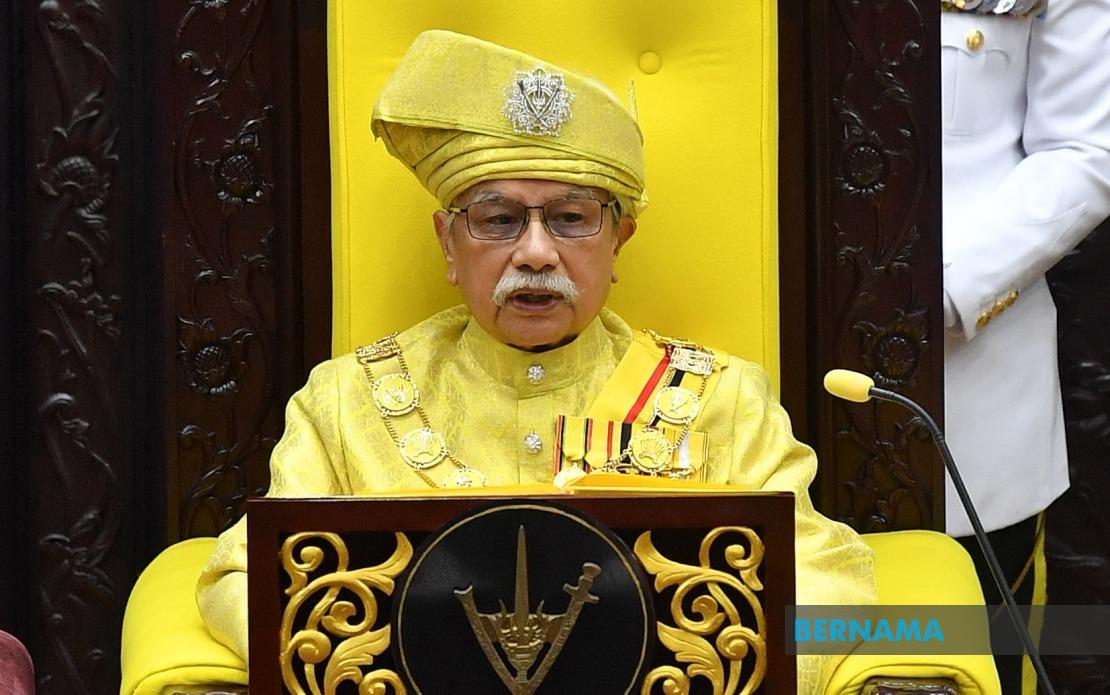
The Yang Dipertuan Besar of Negeri Sembilan, Tuanku Muhriz Tuanku Munawir, has granted his formal consent for a royal audience ceremony to be held this Saturday at Istana Besar Seri Menanti, formalising the installation of Hassan Ab Hamid as the 22nd Undang of Luak Rembau. The decision came through a royal decree conveyed by Tunku Besar Seri Menanti, Tunku Ali Redhauddin Tuanku Muhriz, during a meeting with the traditional adat leaders of Rembau at the palace in Kuala Pilah on June 25.
The ceremony, formally known as Istiadat Menghadap Menjunjung Duli Bagi Menyempurnakan Kejadian Undang Luak Rembau, represents a crucial moment in Negeri Sembilan's constitutional governance. During the audience, Tunku Ali Redhauddin emphasised that his father's approval signified recognition of a decision already reached through centuries-old customary processes. He instructed the adat leaders to coordinate further ceremonial arrangements with the Orang Empat Istana, the traditional palace officials responsible for matters of protocol and custom.
The 67-year-old Hassan Ab Hamid was selected through the Kerapatan Buapak Delapan ceremony, which represents the formal endorsement process within the Biduanda Nan Dua Carak customary clan system. This selection method reflects the intricate machinery of the Adat Perpatih system, one of Malaysia's oldest and most distinctive indigenous governance structures. The process has been meticulously documented and followed according to established protocols, underscoring the legitimacy of Hamid's elevation to this significant leadership position within Rembau's traditional hierarchy.
Datuk Juan Datuk Zulkipli Shamsudin, chairman of the Kerapatan Buapak Delapan ceremony, took the opportunity to clarify a fundamental constitutional principle that appears to have generated confusion in some quarters. He stressed that under the Adat Perpatih framework, an Undang emerges through community selection rather than royal appointment. This distinction carries profound implications for understanding how traditional authority operates in Negeri Sembilan, a state that proudly maintains one of Malaysia's most elaborate customary governance systems.
Zulkipli elaborated on the precise role played by the Yang Dipertuan Besar within this constitutional arrangement. The ruler's function, he explained, is fundamentally receptive rather than directive. When representatives of a luak, or traditional division, approach the throne with their chosen candidate, the Yang Dipertuan Besar considers the submission and, when custom requires it, grants formal recognition and consent to the community's decision. The ruler neither summons individuals for elevation, nor exercises personal discretion in selecting candidates, nor imposes appointments through unilateral authority.
This clarification becomes particularly significant given Negeri Sembilan's unique constitutional position within Malaysia. The state operates under a dual leadership system where the Yang Dipertuan Besar holds constitutional authority while traditional adat governance remains deeply embedded in matters affecting the state's indigenous communities and their hereditary institutions. The distinction between royal recognition and community selection ensures that both the modern constitutional framework and ancient customary traditions function in complementary rather than conflicting ways.
The succession to the Undang position follows the death of Datuk Lela Maharaja Datuk Muhamad Sharip Othman, who passed away on May 15, 2024, at the age of 83. Othman's lengthy tenure and the interval before this Saturday's formal ceremony indicate the careful, deliberate pace at which such transitions occur within the Adat Perpatih system. Rather than rushing to fill a vacancy, the adat community invested time in ensuring that the proper customary procedures were observed and that the eventual successor possessed the requisite qualities and standing within the traditional hierarchy.
For Malaysian readers unfamiliar with Negeri Sembilan's governance structures, understanding this distinction between royal consent and community selection illuminates how Malaysia's constitutional monarchy accommodates diverse forms of legitimate authority. The state demonstrates that traditional governance need not conflict with modern constitutional arrangements; instead, it can coexist by recognising distinct spheres of decision-making authority. The Yang Dipertuan Besar's role as ultimate recogniser of adat decisions preserves both his constitutional standing and the autonomy of traditional institutions.
Zulkipli's remarks also carry a subtle but important pedagogical purpose. By explaining that any suggestion of direct royal appointment would reflect "a misunderstanding of the adat that have governed Negeri Sembilan for centuries," he reinforced the importance of accurately representing these traditions to the public. As Malaysia's indigenous customary systems encounter modern media scrutiny and legal frameworks, articulating these principles clearly becomes essential for maintaining public understanding and respect for traditional institutions.
The Saturday ceremony will be the first formal public recognition of Hamid's elevation and provides an opportunity for the broader Rembau community and Negeri Sembilan at large to acknowledge this transition within the traditional leadership structure. The involvement of Istana Besar Seri Menanti, the seat of Negeri Sembilan's rulers, underscores the formal significance of the occasion within the state's constitutional life. For the Undang of Rembau and the traditional communities under his jurisdiction, this ceremony marks the beginning of a new chapter in the ongoing story of adat governance in one of Malaysia's most distinctive states.

