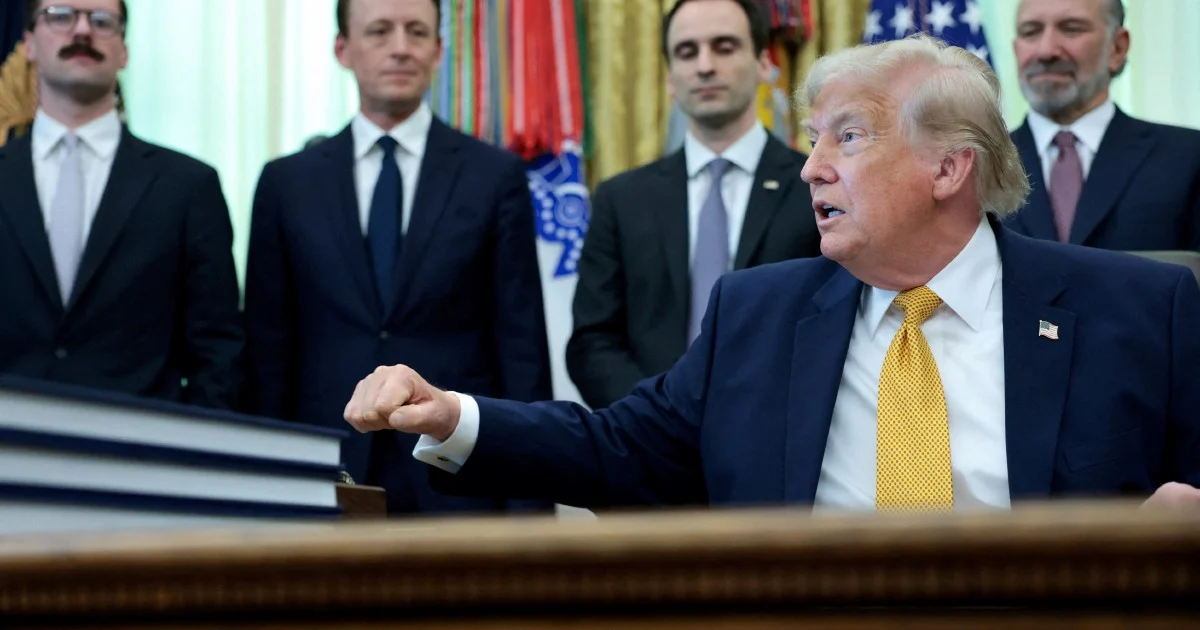
Federal law enforcement officials in Washington announced on Monday that two further arrests have been made as part of an ongoing investigation into a purported scheme targeting the White House during a planned mixed martial arts event. The US Justice Department disclosed the apprehensions, which represent an escalation in authorities' response to what investigators have characterised as a serious threat to presidential security and public safety.
The alleged plot centred on plans to breach security at 1600 Pennsylvania Avenue while President Donald Trump was overseeing a UFC cage fight on the White House lawn. Such an occurrence would constitute one of the most audacious security breaches in recent memory, potentially putting the president and hundreds of attendees at direct risk. The specificity of the alleged threat—targeting both a sitting US president and a major entertainment event—has raised significant concerns among national security agencies.
The Justice Department's announcement marks a coordinated effort across multiple federal agencies tasked with protecting the president and the nation's capital. Investigators have been pursuing leads systematically, with the two latest arrests suggesting the scope of the suspected conspiracy may be broader than initially understood. The staggered nature of the arrests indicates that authorities are methodically building their case and identifying all individuals involved in the alleged plot.
While formal charges against the two newly arrested individuals have not been fully detailed in public statements, the Justice Department typically pursues conspiracy charges in such cases. These carry substantial potential prison sentences, particularly when national security and threats to the president are involved. The decision to make multiple arrests across different timeframes often reflects law enforcement strategy to prevent coordination among suspects and gather intelligence about the broader network.
The revelation of such a plot underscores the persistent and evolving security challenges facing the US executive branch. The Secret Service and other protective agencies must contend with increasingly creative and unconventional threats, from lone actors to coordinated groups. The notion of exploiting a high-profile event like a UFC fight—which would draw large crowds and require extended security protocols—as cover for an attack demonstrates concerning tactical awareness among those allegedly involved.
From a broader geopolitical perspective, the incident highlights vulnerabilities in event security planning at the highest levels of government. For Malaysia and other Southeast Asian nations, such developments carry implications for understanding contemporary security threats. Malaysia hosts numerous international events and diplomatic functions; the methods and vulnerabilities exposed in American security protocols have lessons for regional governments managing similar risks.
The timing of the alleged plot and subsequent arrests also reflects the intensified security environment surrounding the Trump presidency. His previous term witnessed significant challenges to White House security, from the January 6 Capitol riot to various alleged plots against his person and property. The current administration appears determined to demonstrate enhanced preparedness and swift response to credible threats, partly to restore public confidence in protective services.
Federal prosecutors will need to substantiate serious charges with compelling evidence, including potential testimony from informants, surveillance records, communications intercepts, and witness statements. The public nature of the Justice Department's announcement suggests confidence in the strength of the investigation, though details remain largely classified to protect ongoing operations and investigation techniques.
The case also raises questions about the future of hosting major entertainment events at the White House, particularly those involving outdoor activities and large crowds. Security planners must balance the president's desire to engage with American popular culture—UFC represents a major segment of entertainment—against the considerable risks such arrangements entail. The alleged plot, if substantiated, may lead to significant changes in how the executive branch approaches similar events.
For regional observers, the incident demonstrates how transnational security concerns transcend specific nations. Threats to any major world leader or significant government facility carry implications for international stability and the broader security architecture. Southeast Asian governments, including Malaysia, often cooperate with US counterparts on intelligence sharing and threat assessment, making the outcome of this investigation potentially relevant to regional security planning.
The Justice Department's rapid identification and arrest of suspects reflects modern investigative capabilities, including digital forensics, intelligence gathering, and inter-agency coordination. However, the existence of the alleged plot in the first place indicates that determined actors can still conceive and potentially advance serious schemes despite sophisticated security apparatus. This paradox—simultaneously impressive investigative success and concerning threat persistence—defines contemporary national security challenges.
As the investigation progresses, additional details may emerge regarding the suspected plotters' motivations, resources, and operational plans. The Justice Department will likely prosecute the cases aggressively, potentially using them to demonstrate zero tolerance for threats against the president. The outcomes will influence both domestic policy debates about security and international perceptions of American institutional resilience and law enforcement effectiveness.

