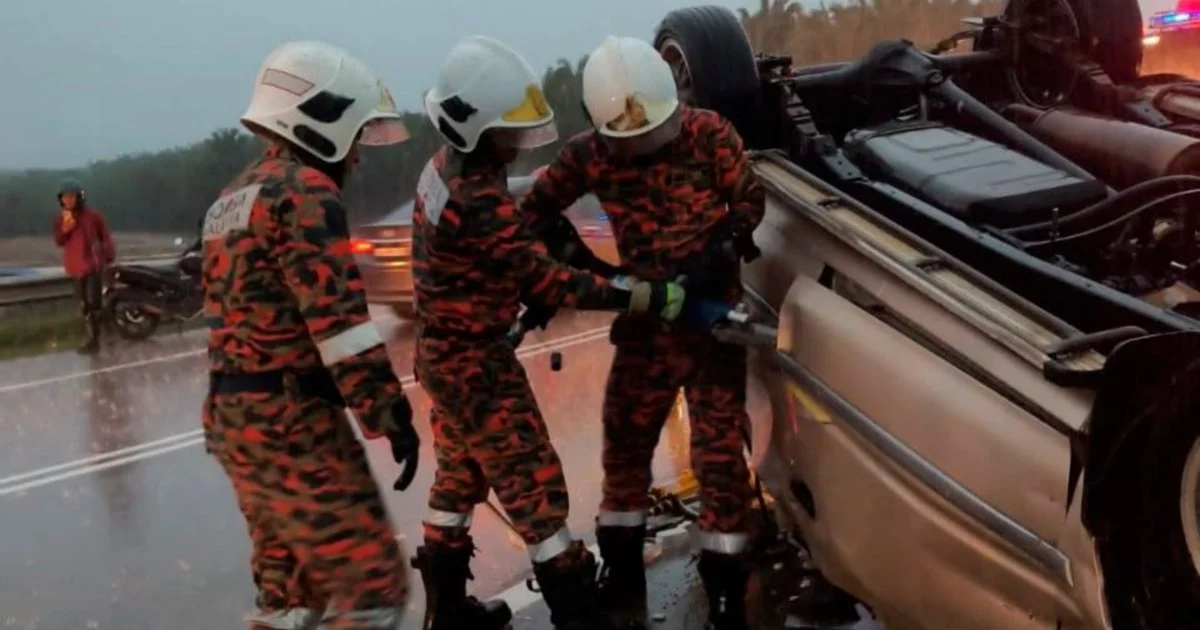
Two sisters were among four fatalities recorded across two distinct traffic incidents in Pahang on the same day, with both crashes unfolding in less than an hour in the Maran and Pekan districts. The tragic sequence of events underscores the volatile nature of road safety in the state, where multiple high-impact collisions can occur in rapid succession.
Accident investigations in both locations revealed the severity of the collisions, each resulting in at least two deaths. The proximity of the incidents—both geographically and temporally—highlights a pattern of concern that road safety advocates have repeatedly flagged regarding accident clusters in specific regions during particular times of day.
The Maran and Pekan areas, situated within Pahang's transport network, experience significant daily traffic volumes. These districts serve as transit routes for commuters, commercial vehicles, and long-distance travellers heading between major population centres. The infrastructure and traffic management systems in place have become subjects of scrutiny following multiple fatalities in rapid succession.
Road safety in Pahang has been a persistent policy challenge. The state's terrain, ranging from urban zones to highway stretches cutting through less densely populated areas, presents varied driving conditions and hazard profiles. Factors contributing to fatal accidents typically include excessive speed, driver fatigue, visibility issues, and vehicle condition deficiencies.
The involvement of two sisters in one of the incidents adds a personal dimension to the statistics, reminding observers that road fatalities represent irreplaceable losses within families and communities. Such events frequently trigger heightened public awareness campaigns and calls for enforcement intensification from relevant authorities.
Traffic management authorities in Pahang are likely to face increased pressure to review conditions on major routes, particularly those connecting Maran and Pekan. Enhanced patrols, speed enforcement measures, and accident prevention initiatives may be among responses being considered. The temporal clustering of incidents sometimes prompts investigations into whether systemic issues—such as road hazards, visibility problems, or inadequate signage—might be contributing factors across multiple crash locations.
Malaysia's road fatality statistics remain a significant public health concern. Annual toll figures, particularly during festive seasons and peak travel periods, consistently attract government attention and media scrutiny. Incidents such as those occurring within the Maran-Pekan corridor contribute to broader patterns of traffic-related mortality that affect Southeast Asia's regional health profiles.
The emergency response systems deployed to both accident scenes would have involved local police, fire and rescue personnel, and ambulance services. Coordination across these agencies in managing two major incidents simultaneously tests operational capacity and resource allocation. Subsequent accident scene investigations typically determine causation factors that inform future preventive strategies.
Family members and community members affected by these crashes face significant trauma and loss. Support services and victim assistance programmes become relevant in the aftermath of such incidents. The psychological impact on first responders and witnesses also merits consideration in discussions about road safety and emergency services preparedness.
For Malaysian road users and policy-makers, incidents of this nature serve as reminders of the importance of defensive driving practices, vehicle maintenance, and adherence to traffic regulations. The concentration of multiple fatalities within a short timeframe often catalyses renewed discussion about whether current enforcement approaches, infrastructure design, and driver education programmes adequately address identified risk factors.
Investigating agencies will examine factors including weather conditions, vehicle mechanics, road surface conditions, and driver behaviour at the time of both crashes. Preliminary findings may emerge within days, though comprehensive accident reconstruction can require weeks or months. Such investigations inform police reports, insurance settlements, and sometimes lead to charges against responsible parties.
The Maran and Pekan incidents are unlikely to be isolated occurrences. Road safety remains dynamic, with new hazards emerging and long-standing risks persisting. Comparative analysis with historical accident data for these districts may reveal seasonal patterns, time-of-day trends, or recurring circumstances that heightened awareness and targeted interventions could potentially mitigate.

