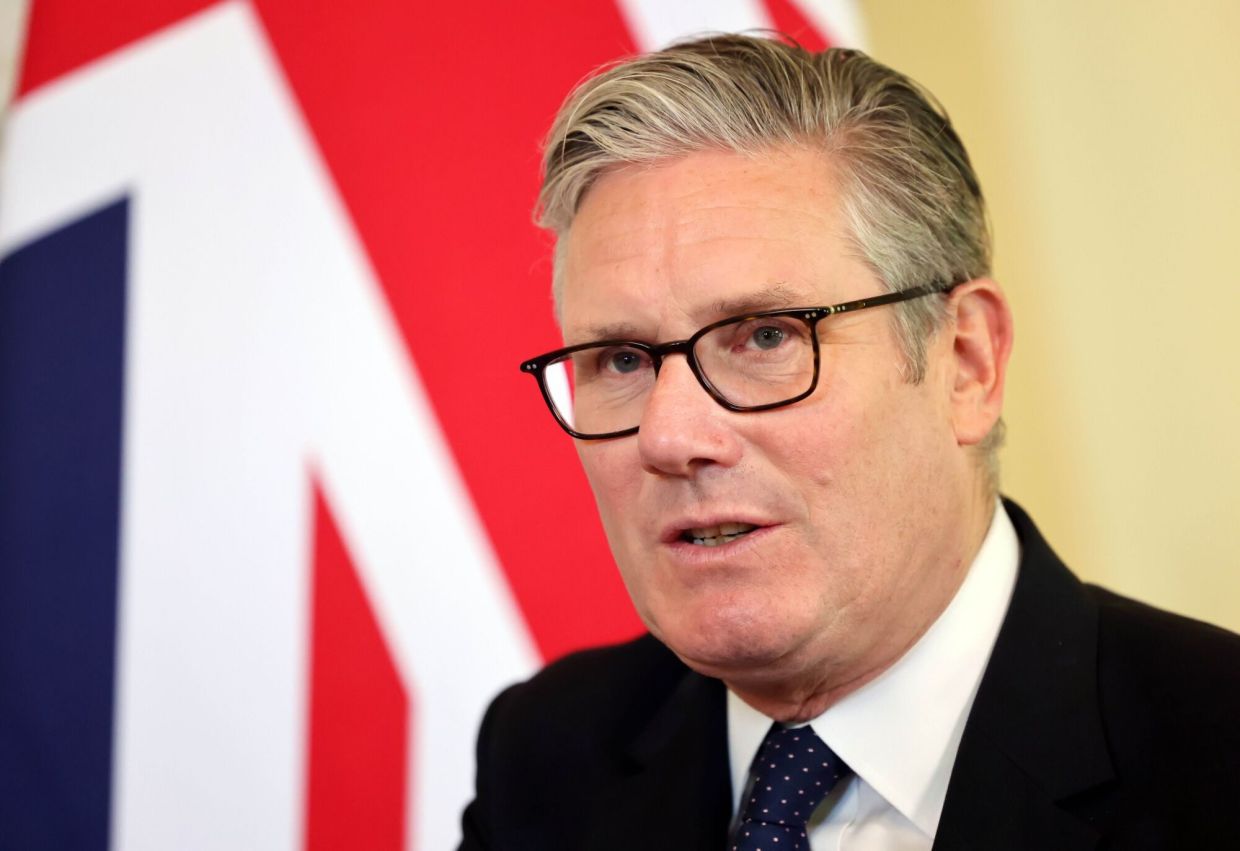
Prime Minister Keir Starmer is poised to unveil a far-reaching package of digital restrictions aimed at shielding British teenagers from the harms of online platforms, marking a critical moment in his premiership as he confronts mounting internal challenges. The announcement, scheduled for Monday morning, will establish a legal prohibition preventing anyone under 16 from accessing major social media sites—a move that will set Britain apart as more ambitious than comparable legislation elsewhere. Following the public rollout, Starmer will travel to the Group of Seven summit at Évian-les-Bains in France, where lingering questions about defence spending and recent ministerial departures threaten to overshadow discussions with world leaders.
The proposed restrictions extend significantly beyond a simple social media prohibition. The government's framework encompasses measures targeting online gaming platforms and artificial intelligence-powered chatbots, positioning the UK regulatory approach as stricter than Australia's age verification rules that took effect in 2024. Curfew mechanisms for older teenagers represent another dimension of the comprehensive strategy, suggesting the administration intends to establish Britain as a global standard-setter in youth digital protection. "This is a choice about whose side we're on: families across the country, or a status quo that isn't working," Starmer declared in a late Sunday statement, framing the policy as a fundamental values question rather than a technical regulatory matter.
Despite broad public support for restricting teenage access to social platforms, implementation challenges loom large. Questions about enforcement mechanisms—how authorities will verify ages, which platforms face obligations, and what penalties apply to non-compliance—remain largely unaddressed in public discourse. The government's push to move from a public consultation that closed fewer than three weeks ago to full legislative proposals has raised eyebrows within Labour's own ranks. Several cabinet-level officials privately questioned whether the accelerated timeline reflected genuine policy priority or political calculation, particularly given the convergence with upcoming electoral contests and persistent party instability.
For Malaysian and Southeast Asian policymakers observing these developments, the British approach offers a significant reference point in the global conversation around digital governance and youth protection. While the region has grappled with similar concerns about social media's impact on young users—misinformation, cyberbullying, and mental health consequences—the Starmer government's willingness to impose outright bans represents a notably interventionist stance compared to the softer regulatory frameworks currently predominant in most Asian democracies. The success or failure of Britain's enforcement mechanisms will likely influence how other nations calibrate their own policies toward social platforms.
The policy announcement arrives at a politically fraught moment. Ian Russell, father of a teenager who died by suicide in 2017 following exposure to harmful online material, publicly suggested that announcing the ban before a looming leadership contest would border on exploitative. His criticism underscores the sensitivity surrounding youth safety issues and the risk that genuine protective measures might become entangled with opportunistic political timing. The Opposition Liberal Democrats seized on this vulnerability, characterising the initiative as "a half-baked policy just to secure a political legacy," implying the government prioritised momentum over careful deliberation.
Starmer faces a precarious political situation that extends far beyond social media regulation. The imminent by-election in Makerfield on Thursday holds outsized significance because Andy Burnham, a senior Labour figure and former Manchester mayor, is expected to secure the seat with a comfortable margin. Burnham's entry into Parliament will position him as Starmer's most viable internal challenger should the party membership decide to remove the current leader. The prospect of a summer leadership contest—already being discussed in Westminster corridors—has created palpable anxiety within the government and explains why some observers view the social media announcement as part of a broader effort to demonstrate momentum and accomplishment.
The government's recent military leadership crisis has deepened Starmer's vulnerability. Defence Secretary John Healey resigned last week, alongside junior minister Al Carns and two additional aides, citing insufficient defence spending increases relative to the security threats posed by Russia and other adversaries. Healey's departure signalled public disagreement with Starmer's budgetary priorities, a damaging signal at a moment when the Prime Minister seeks to project competent, decisive leadership. The timing of these resignations—mere days before Starmer embarks for G7 discussions where defence commitments will feature prominently—compounds the presentational challenge.
Attempts to retrieve the situation are underway on multiple fronts. Culture Secretary Lisa Nandy suggested Sunday that the government had not abandoned efforts to locate additional defence funding from other departmental budgets, signalling that Starmer remained engaged in active negotiations. Her comments to the BBC indicated that a larger military spending increase remained under consideration, potentially addressing Healey's core concerns about resource allocation. However, reversing course after Healey's high-profile resignation risks accusations of another policy reversal, a charge that already dogs the Starmer administration following several earlier U-turns and has eroded public confidence.
For observers across Southeast Asia, the British government's current turbulence offers instructive parallels regarding the challenges democratic leaders face when attempting to balance multiple competing pressures: genuine policy priorities, political survival, international obligations, and internal party management. The way Starmer navigates the coming weeks—including whether the social media restrictions proceed as planned and whether additional defence funding emerges—will reveal much about his capacity to consolidate power and establish a coherent governing agenda. The G7 summit in France will provide an early test of whether international partners view the British government as reliably positioned to contribute to shared security priorities or increasingly distracted by domestic crisis management.