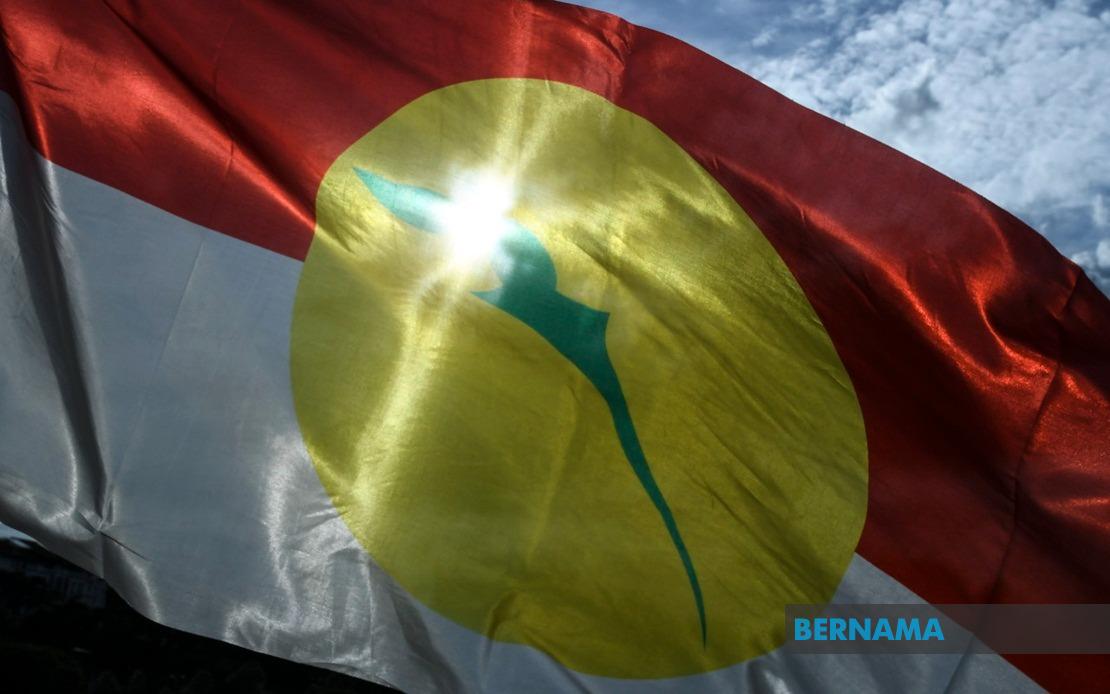
UMNO's leadership has appealed for internal cohesion following a contentious candidate selection process for the 16th Johor state election, warning members that public perception depends on how the party performs under strain rather than merely on its campaign promises. The call for unity comes as several party members have expressed frustration with the nominations announced this week, with at least one senior party figure resigning in protest over the exclusion of his son from consideration for a state assembly seat.
Datek Seri Azalina Othman Said, the party's Information Chief, emphasised that UMNO's organisational maturity and internal discipline require all members to accept decisions made through proper party mechanisms and proceed as a unified force. She acknowledged that disagreement and criticism are natural within any large political organisation, and that individual disappointment is understandable when nominations disappoint members. However, Azalina stressed that once the party has made its selections through established channels, members have a responsibility to demonstrate the discipline expected of a national political institution.
The remarks directly address the reality that candidate selection remains one of the most contentious aspects of Malaysian electoral politics. Unlike systems where candidates emerge primarily through primaries or popular voting, Malaysian political parties typically rely on top-down selection by party leadership, creating inevitable friction when members believe they have been overlooked or when family members fail to secure nomination. This tension between democratic aspiration and party hierarchy regularly tests the cohesion of major political formations across the peninsula.
A significant flashpoint emerged when Datuk Dr Mohd Puad Zarkashi, a UMNO Supreme Council member, announced his resignation from the party, citing a desire to express his views freely. UMNO Secretary-General Datuk Dr Asyraf Wajdi Dusuki attributed Mohd Puad's departure to dissatisfaction over his son's failure to secure the party's nomination for the Rengit state seat. The resignation highlights how family political dynasties remain deeply embedded in Malaysian party politics, and how disappointment at this level can escalate into high-profile departures that damage party unity during election campaigns.
Azalina's statement also functioned as a public relations effort to restore confidence among grassroots members and potential candidates who may have felt marginalised by the selection process. She praised Johor UMNO Liaison Committee Chairman Datuk Onn Hafiz Ghazi and his team for navigating what she described as a difficult nomination period with composure and political courage. This endorsement signals party leadership's confidence in the selection's legitimacy and attempts to legitimise the process as thorough and fairly conducted despite the complaints.
The party's messaging strategy emphasised that UMNO possesses sufficient bench strength to weather any departures or defections. Azalina noted that the party maintains a robust pipeline of grassroots leaders, emerging talents, and new faces ready to contribute to party objectives. This assertion serves a dual purpose: reassuring wavering members that opportunities remain available, while implicitly suggesting that those departing are replaceable and need not derail party fortunes. For Malaysian voters evaluating UMNO's readiness for governance, such messages carry implications about succession planning and leadership renewal.
The timing of these internal tensions matters significantly for the broader political context in Johor and Malaysia. The state election represents a critical test for UMNO's ability to maintain control in one of its traditional strongholds, particularly given the competitive environment created by Perikatan Nasional's growing presence in various state assemblies. Any public display of internal discord could undermine UMNO's messaging about stability and good governance, potentially emboldening opposition parties to exploit divisions during the campaign period.
The Election Commission has scheduled nominations for June 27, providing only a narrow window before polling day on July 11 for the party to consolidate its messaging and recover from any momentum lost through public disagreements. In this compressed timeline, party members who harbour disappointments must make rapid decisions about whether to campaign vigorously for their party's candidates, contest as independents, or withdraw from electoral participation altogether. Each choice carries consequences for election outcomes in individual constituencies.
Azalina's statement reflects a broader reality in Malaysian political culture: party discipline remains nominally essential for electoral success, yet the legitimacy of that discipline constantly requires rhetorical reinforcement and justification. Unlike systems where internal party processes enjoy settled acceptance, Malaysian parties must regularly convince their members that top-down decision-making serves genuine interests beyond those of entrenched leadership. This ongoing negotiation between hierarchy and democracy shapes how political organisations function across the peninsula.
For observers monitoring Johor politics specifically, the unfolding situation suggests that UMNO's control cannot be taken for granted despite its historical dominance in the state. The emergence of visible discontent within party ranks, particularly at senior council level, sends signals about internal confidence in the party's direction. Whether UMNO can successfully transition from damage control to positive campaigning before July 11 will significantly influence not just Johor's state assembly composition but also broader assumptions about UMNO's resilience as Malaysia's largest political party heading into future national elections.

