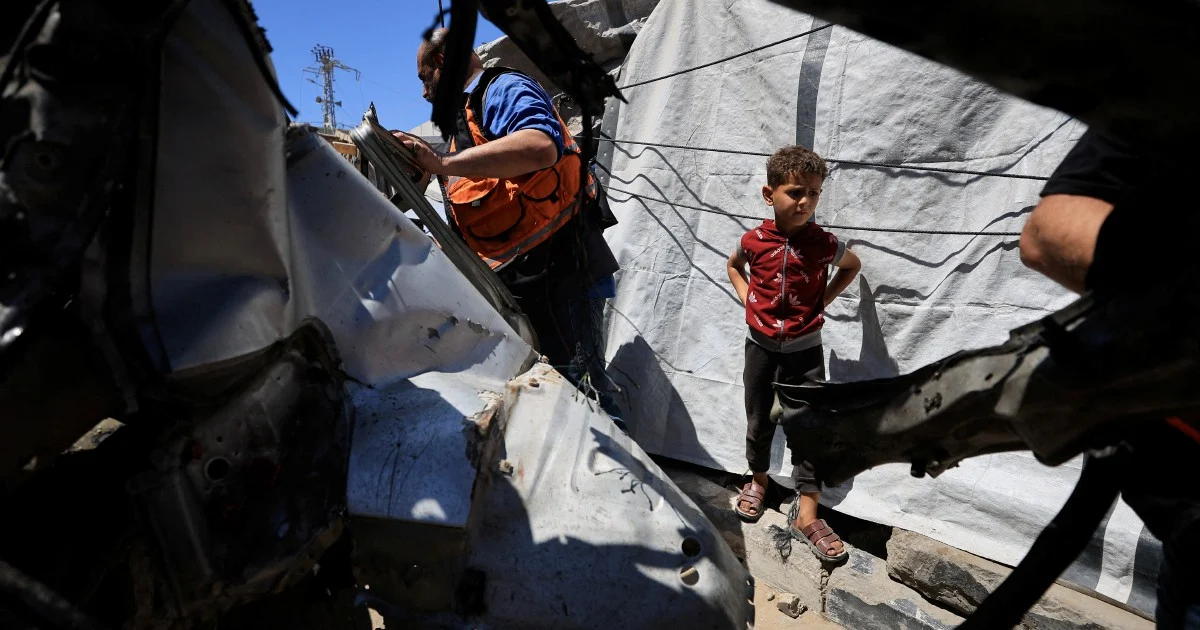
A damning investigation by the United Nations released on Tuesday concludes that Israeli forces are systematically and intentionally targeting Palestinian children across the Gaza Strip, with investigators characterizing these actions as a defining component of what they describe as genocide taking place in the territory. The report, presented in Geneva, represents one of the most serious allegations levelled against Israel since the escalation of the conflict, drawing immediate and sharp denials from the Israeli government and provoking significant international debate over the characterization of military operations in the enclave.
The UN investigators framed the deliberate targeting of children as more than an isolated pattern of incidents, instead positioning it as a central and deliberate strategy that has shaped the broader humanitarian catastrophe unfolding in Gaza. According to the probe's findings, the systematic nature of these attacks—combined with evidence of intent and the scale of harm inflicted on the civilian population—supports the classification of events as genocide under international law. This legal determination carries profound implications for potential accountability mechanisms and future prosecutions, though enforcement remains uncertain.
The publication of this report arrives at a critical juncture in the conflict, when international pressure on all parties continues to mount and the humanitarian situation in Gaza has deteriorated to critical levels. Palestinian civilians, particularly children, have been disproportionately affected by military operations in the densely populated territory, where civilian infrastructure has sustained extensive damage. The UN's determination that such targeting is deliberate rather than incidental adds a crucial legal dimension to ongoing debates about proportionality and compliance with international humanitarian law.
Israeli officials have categorically rejected the investigation's conclusions, dismissing the report as biased and fundamentally flawed in its methodology and analysis. The government maintains that its military operations comply with international law and that any civilian casualties result from the operational realities of conducting warfare in an urban environment where civilians and militant infrastructure are densely interspersed. Israeli representatives argue that the country's armed forces exercise restraint and follow protocols designed to minimize civilian harm, including issuing warnings before strikes.
For Malaysian readers and Southeast Asian observers, this investigation underscores the broader international divisions over the Gaza conflict and the role of multilateral institutions in documenting alleged violations of international humanitarian law. The UN's findings reflect persistent tensions between different assessments of Israeli military conduct, with some nations viewing the investigation as necessary accountability for civilian suffering, while others question the investigation's impartiality and credibility. These divisions have significant implications for how the international community addresses conflicts more broadly.
The specific focus on the targeting of children is particularly significant because it addresses one of the most emotionally and morally fraught dimensions of the conflict. Children, as a protected category under international humanitarian law, occupy a special status in legal frameworks governing armed conflict. Evidence of deliberate targeting—rather than incidental harm—constitutes one of the gravest allegations under international criminal law and can trigger investigations by the International Criminal Court, though jurisdictional questions complicate such proceedings.
The investigation's methodology involved examining multiple sources of evidence, testimony from witnesses and survivors, satellite imagery analysis, and documentation of incidents across Gaza. Researchers assessed whether patterns of attacks suggested intentional targeting of minors or whether civilian casualties resulted from proportionality assessments that weighed military objectives against anticipated civilian harm. The investigators concluded that the weight of evidence pointed toward deliberate selection of targets that included children.
This report contributes to a growing body of documentation from human rights organizations, journalists, and independent investigators who have questioned the accuracy of civilian casualty counts and examined the circumstances under which strikes occurred. Different actors have reached varying conclusions about whether civilian deaths resulted from lawful military operations or violations of international humanitarian law. The UN's explicit characterization as genocide represents one of the strongest legal determinations made by an international body thus far.
The implications for international justice remain uncertain, particularly given the complexities of enforcing accountability on powerful states. The International Criminal Court has opened preliminary examinations into the situation, but several factors—including jurisdictional limitations, political considerations, and the difficulty of obtaining cooperation from parties to the conflict—complicate potential prosecution pathways. Nevertheless, the UN's findings create a formal record that may influence future legal proceedings and shape historical documentation of the conflict.
For Southeast Asian nations, which have largely avoided taking strong formal positions on the conflict through multilateral institutions, the growing volume of such allegations raises questions about how regional governments will approach discussions of international humanitarian law, accountability mechanisms, and the relationship between military necessity and civilian protection. Malaysia, which has historically emphasized Palestinian rights issues, faces renewed pressure to engage substantively with documentation of alleged violations while navigating complex regional and international relationships.
The report also highlights persistent debates about the adequacy of existing international mechanisms for investigating and prosecuting alleged violations during armed conflicts. Critics argue that powerful nations can effectively shield themselves from accountability, undermining the credibility of international law frameworks. Supporters contend that documentation by respected international bodies serves important functions in establishing the historical record and potentially enabling future accountability even if immediate prosecution proves impossible.
Moving forward, the investigation's findings will likely feature prominently in ongoing discussions about the conflict at the United Nations, influence diplomatic positions adopted by various countries, and shape narratives about the conduct of all parties involved. The report's emphasis on deliberate targeting of children may prove particularly significant in swaying international public opinion and influencing how nations approach questions of military aid, arms embargoes, and diplomatic recognition. For regions grappling with their own conflicts, the investigation provides both a model for documenting alleged violations and a cautionary example of how international investigations can become deeply polarized along geopolitical lines.

