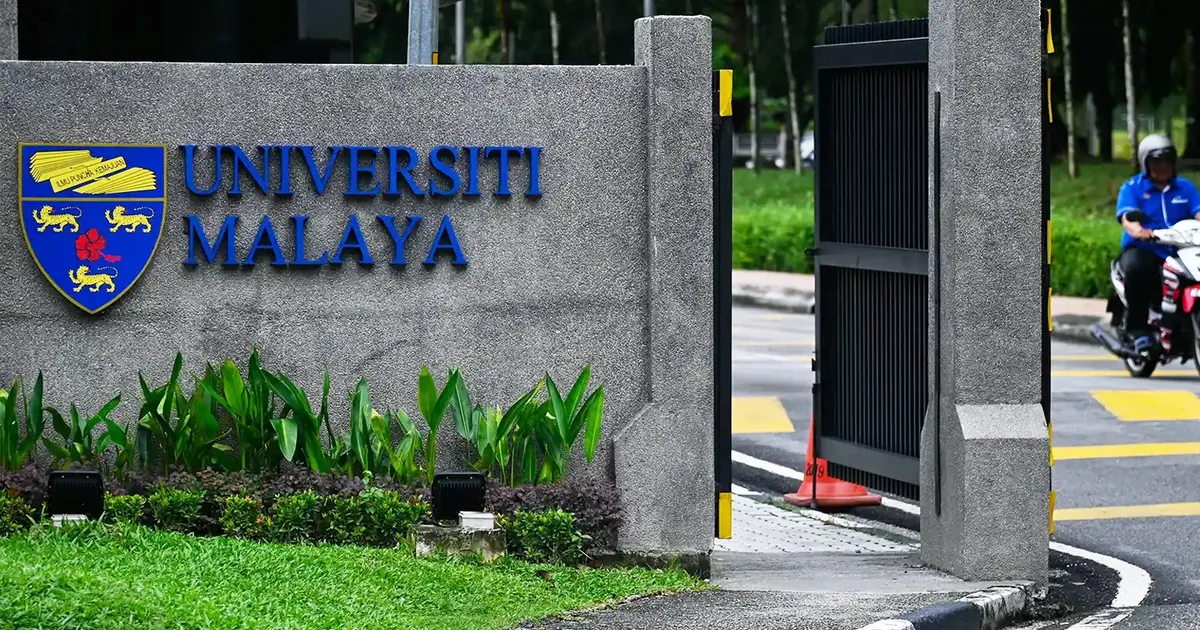
An advocacy group representing University of Malaya students has escalated pressure on the institution to release the findings of an ongoing sexual harassment investigation, accusing the university of failing to follow through on commitments made several months earlier. NewGen UM, which has emerged as a vocal watchdog on campus conduct matters, contends that the investigation process remains shrouded in opacity despite assurances that the probe had reached an advanced stage.
The group's intervention underscores a broader pattern of concern within Malaysia's higher education sector regarding the handling of misconduct allegations and the institutional reluctance to communicate investigation outcomes to affected communities. The delay, now spanning months since the university publicly indicated the matter was nearing resolution, raises questions about the robustness of institutional accountability mechanisms and the effectiveness of grievance procedures at one of the country's premier academic institutions.
NewGen UM's public intervention follows a September announcement in which the University of Malaya indicated that its investigation had progressed substantially and was in its concluding phases. The passage of time without a formal disclosure of results has prompted the student group to question whether the institution intends to release findings at all, or whether administrative processes have stalled or been deprioritised within the university's operational calendar.
The case reflects wider structural tensions within Malaysian universities regarding the management of sexual harassment and misconduct allegations. Historically, many institutions have treated such matters as internal administrative questions rather than issues warranting transparent public communication, a posture that has increasingly drawn criticism from students, staff, and civil society observers. The University of Malaya's handling of this particular investigation will likely influence campus expectations around institutional conduct going forward.
For Malaysian academia, the significance of this dispute extends beyond a single case. Universities operate as privileged spaces where young adults engage in intellectual development and social formation during formative years. When institutions fail to demonstrate clear, decisive, and transparent responses to allegations of harassment, they undermine trust in their capacity to provide safe learning environments and send implicit messages about the seriousness with which such misconduct is treated.
NewGen UM's persistence in demanding accountability reflects a generational shift in how Malaysian students approach governance and institutional responsibility. Unlike previous cohorts that might have accepted institutional silence as inevitable, contemporary student activists leverage social platforms and organising capacity to sustain pressure on university leadership. This dynamic creates both opportunities and tensions within campus ecosystems, as administrations navigate competing demands for confidentiality protections and public accountability.
The investigation itself, while its specific details remain undisclosed, emerged from allegations of sexual harassment directed at a member of the University of Malaya faculty. The university's initial acknowledgment that it had launched a formal probe represented a significant step, as institutional recognition of misconduct allegations is far from automatic or guaranteed in some Malaysian educational contexts. However, the transition from investigation to transparent disclosure of outcomes appears to have encountered obstacles or delays that NewGen UM views as unacceptable.
From a comparative regional perspective, the University of Malaya's situation mirrors challenges faced by higher education institutions across Southeast Asia. Universities in Thailand, the Philippines, and Indonesia have similarly grappled with questions about how to balance investigative confidentiality with public transparency, and how to demonstrate institutional responsiveness to student concerns about campus safety and equity.
The demand for outcome disclosure also connects to broader conversations about institutional power asymmetries. Investigations into allegations against faculty members inherently involve tensions between protecting the accused's reputation, safeguarding the complainant's dignity and security, and maintaining public confidence in institutional processes. Universities must navigate these competing interests while acknowledging that prolonged silence itself constitutes a form of institutional communication that can undermine public trust.
NewGen UM's advocacy strategy—public demand for accountability rather than accepting behind-the-scenes administrative assurances—represents a calculated choice to weaponise transparency as a tool for institutional change. By framing the absence of disclosure as a failure rather than a neutral administrative outcome, the group rejects the premise that universities should operate as closed systems insulated from public scrutiny regarding matters of significant ethical importance.
Looking ahead, the University of Malaya faces a decision point that will have implications for its institutional culture and reputation. Transparent disclosure of investigation findings, even findings that may satisfy neither all observers nor all involved parties, would likely rebuild institutional credibility and demonstrate seriousness about creating accountable structures. Continued silence will only amplify activist pressure and generate further reputational costs.
The broader lesson for Malaysian higher education leadership is that the contemporary student body expects institutional transparency around misconduct investigations as a baseline standard rather than an extraordinary concession. Universities that resist this expectation risk appearing defensive or indifferent to campus safety, a positioning that affects recruitment, retention, and the institution's social licence to operate. The University of Malaya's response to NewGen UM's demands will thus signal whether Malaysian universities are evolving toward greater accountability or retreating into traditional patterns of administrative opacity.