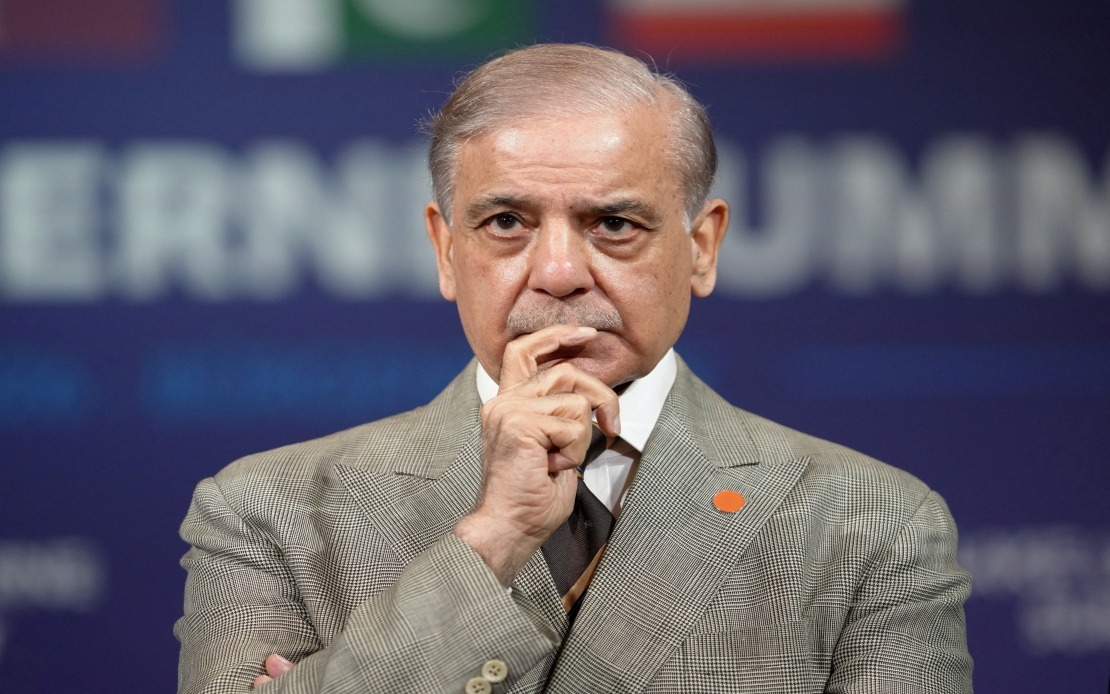
Pakistan's Prime Minister Shehbaz Sharif announced on Tuesday that the United States and Iran have committed to intensive technical-level negotiations spanning the next two months, focusing on three critical areas: nuclear capabilities, ballistic missile programmes, and the status of frozen Iranian assets. Speaking to lawmakers in the National Assembly in Karachi, Sharif characterized the emerging framework as a potential turning point in the decades-long standoff between Washington and Tehran, expressing optimism that the recently signed Islamabad Memorandum of Understanding could evolve into a comprehensive, binding agreement within the stipulated timeframe.
The diplomatic roadmap emerged following what Sharif described as "successful" talks held in Burgenstock, Switzerland, earlier this week. Those discussions concluded on Monday with both parties endorsing several mechanisms intended to facilitate progress toward a final settlement. The process has been mediated jointly by Pakistan and Qatar, underscoring the regional dimension of these negotiations. The June 17 signing of the Islamabad MoU represented a formal acknowledgment by both powers that structured dialogue offers a more productive path than continued confrontation, though considerable obstacles remain.
Sharif's comments in parliament emphasized the delicate nature of the negotiations and the compressed timeline. He explicitly stated that negotiators intend to convert the memorandum into what he termed "a long-lasting agreement" within the 60-day window, suggesting that both capitals recognize the urgency of demonstrating tangible progress. The reference to "historic" progress suggests that preliminary discussions have yielded unexpected common ground, though the final substance of any accord remains uncertain and contested.
However, Iran's official position, articulated through Foreign Ministry spokesman Esmaeil Baghaei on the same day, introduces significant friction into the narrative of advancing negotiations. Baghaei explicitly stated that Iran's ballistic missile programme was never included in the Swiss discussions and remains outside the scope of negotiations with the United States. This clarification suggests that while both countries may be discussing nuclear matters, one of the most contentious issues—Tehran's development of advanced missile systems—remains a potential sticking point that could complicate efforts to reach agreement.
The Iranian Foreign Ministry further complicated prospects by declaring that Tehran has no intention of permitting International Atomic Energy Agency inspectors to visit nuclear facilities that have previously been targeted in military strikes by the United States and Israel. This position directly challenges conventional frameworks for nuclear verification and oversight. Such facilities would naturally be of paramount interest to international monitors seeking to verify compliance with any future nuclear agreement, making Iran's refusal a potentially insurmountable obstacle to the kind of transparency that Washington and its regional allies would likely demand.
For Malaysia and broader Southeast Asia, these developments carry significant implications. The region remains acutely sensitive to nuclear proliferation in the Middle East and any military escalation involving major powers. A successful negotiated settlement between Washington and Tehran could reduce geopolitical tensions affecting global energy markets and international shipping lanes, matters of direct consequence to Malaysia's economy. Conversely, if negotiations collapse within the 60-day window, the risk of renewed military confrontation could destabilize energy prices and regional security arrangements that Southeast Asian nations depend upon.
The role of Pakistan as a key mediator reflects Islamabad's strategic importance and its own interest in de-escalation between nuclear-armed powers. Pakistan's participation alongside Qatar demonstrates that regional actors recognize the stakes involved. For Southeast Asian observers, the involvement of Middle Eastern mediators rather than a broader international coalition suggests that this process operates somewhat outside traditional Western-led diplomatic frameworks, potentially opening space for non-aligned nations to influence outcomes.
The 60-day timeline represents both opportunity and risk. On one hand, it creates pressure on negotiators to demonstrate flexibility and reach provisional agreements on contentious issues. On the other hand, the compressed schedule may force compromises that prove unstable or prove too ambitious to implement, particularly given the historical record of US-Iran negotiations and the deep mistrust that characterizes their relationship. The presence of technical working groups suggests that negotiators are attempting to compartmentalize complex issues into manageable pieces.
The distinction between Iran's public statements and Pakistan's characterization of progress warrants careful attention. Baghaei's emphatic denials regarding missile negotiations and IAEA access suggest that Tehran may be signalling red lines to domestic constituencies while simultaneously engaging in substantive discussions with American interlocutors. This pattern of public posturing combined with private negotiation is familiar in Middle Eastern diplomacy but introduces uncertainty about whether genuine convergence is occurring or whether both sides are positioning themselves for either agreement or recrimination if talks fail.
The coming weeks will determine whether the 60-day mandate produces a framework agreement or merely extends an inconclusive dialogue. Success would require compromise on several fronts, including the precise scope of nuclear inspections, the sequencing of sanctions relief, and arguably most challenging, the question of ballistic missiles. Failure could revive military tensions that have already extracted a significant toll on Middle Eastern stability and global economic conditions. For Malaysia and the region, maintaining stability in this relationship serves critical interests in energy security, maritime commerce, and the prevention of major power confrontation.

