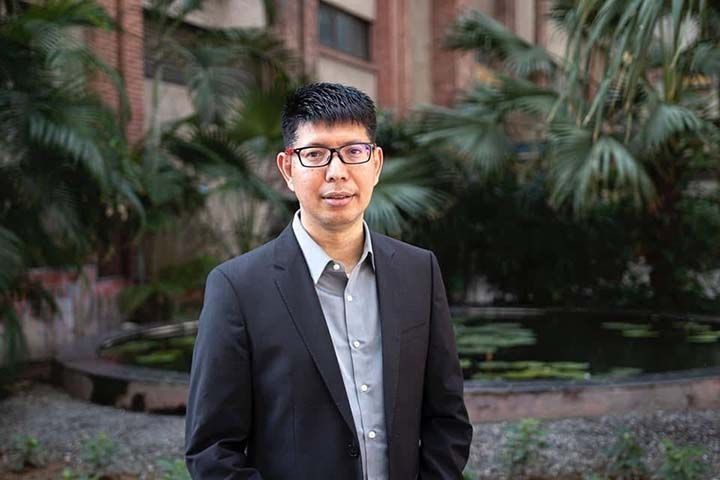
An American academic specialising in Myanmar affairs was detained in China while attending an academic conference, according to the research institute he founded, which has demanded his unconditional release and dismissed charges of espionage as baseless. Min Zin, executive director of the Institute for Strategy and Policy (ISP) - Myanmar, was arrested in Kunming on June 3 after travelling there specifically to participate in an academic workshop. The incident has drawn criticism from both his colleagues and US diplomatic officials, who have questioned the legitimacy of the detention.
China's foreign ministry confirmed Min Zin's arrest last week, stating he was suspected of engaging in espionage and posing a threat to national security. However, neither Chinese authorities nor any evidence has been made publicly available to substantiate these allegations. The timing of the detention is particularly sensitive, occurring just weeks before Myanmar's military leader Min Aung Hlaing was scheduled to make a state visit to Beijing, underscoring the complex geopolitical dimensions surrounding this case.
The Institute for Strategy and Policy issued a formal statement rejecting what it characterised as unfounded accusations against its executive director. The think tank emphasised that Min Zin's presence in Kunming had a singular, legitimate purpose: to attend an academic gathering with other scholars and researchers. The institute's response reflects growing concern among international academic circles about restrictions on scholarly exchange and freedom of movement in the region.
The United States has also stepped in to contest the charges. A State Department spokesperson said Washington rejects the espionage allegations entirely, noting that American consular officers have already visited Min Zin and that the department is actively engaging with Chinese officials to provide appropriate diplomatic support. This intervention by US authorities signals the diplomatic sensitivity surrounding the case and reflects broader concerns about individual freedoms and due process.
Min Zin's background provides context for understanding his detention and the apparent suspicions surrounding his work. As a former student activist, he participated in Myanmar's landmark 1988 democracy movement, a pivotal moment that shaped a generation of pro-democracy voices in the country. He later pursued advanced studies in political science at the University of California, Berkeley, establishing himself as a serious scholar rather than a political operative. His academic credentials and research trajectory have positioned him as a respected voice on Myanmar's complex political dynamics.
Following the military coup that toppled elected leader Aung San Suu Kyi in February 2021, Min Zin helped establish the Institute for Strategy and Policy, which initially operated from within Myanmar but relocated overseas after the takeover. This geographical shift reflects the precarious position of independent researchers and analysts in Myanmar following the junta's return to power. The institute's work has centred on understanding the country's political transition, documenting the armed conflict that erupted after the coup, analysing economic deterioration, and examining bilateral trade relations and broader ties with China.
The detention highlights the interconnected nature of Myanmar's current crisis and regional geopolitics. China remains one of the military junta's most vital international partners, providing crucial diplomatic cover and economic support despite international criticism. The junta's February 2021 seizure of power sparked widespread public protests that gradually transformed into an armed nationwide uprising, with newly formed pro-democracy armed groups joining forces with established ethnic armed organisations to challenge military authority. This conflict continues to destabilise the country and has displaced hundreds of thousands.
For scholars and researchers operating in or studying Myanmar, the detention raises troubling questions about academic freedom in the broader region. The ISP's statement underscores the importance of allowing research institutions to operate without fear of political persecution or intimidation. Given the complexity of Myanmar's situation and the stakes involved in understanding its trajectory, independent analysis and scholarship become increasingly valuable, not threatening. The institute's focus on documenting events and analysing policy implications serves a legitimate intellectual purpose that contributes to informed public discourse.
The case also illuminates the precarious position of civil society actors and intellectuals in Myanmar and neighbouring countries. Following the 2021 coup, numerous researchers, journalists, and activists have faced harassment, detention, or exile. Min Zin's arrest in another country—ostensibly for routine academic engagement—suggests that those critical of Myanmar's military or engaged in independent research face risks even when travelling abroad. This creates a chilling effect on regional academic collaboration and cross-border intellectual exchange.
China's assertion that Min Zin will be handled "in accordance with the law" offers little reassurance to those concerned about procedural fairness and evidence-based justice. The opacity surrounding the specific allegations and the detention process itself fuels uncertainty about the case's trajectory. International observers will be watching closely to see whether Min Zin receives transparent treatment and access to legal representation, matters that will have implications for academic freedom across East and Southeast Asia.
The detention also reflects broader tensions in how authoritarian and semi-authoritarian governments in the region treat academics and independent analysts. Research institutions that operate with editorial independence and publish findings critical of government policies often face scrutiny or restrictions. The ISP's relocation overseas and its continued output of analysis on Myanmar's military, economy, and international relations suggest it occupies precisely the kind of independent analytical space that can provoke regime anxiety.
For Malaysia and other Southeast Asian nations, the Min Zin case carries lessons about the importance of protecting academic freedom and freedom of movement. As regional governments grapple with their own political challenges and international relations, the ability of scholars to conduct research and participate in international academic forums remains crucial for informed policymaking and public understanding. The detention of a researcher for attending a conference sets a problematic precedent that could affect regional scholarship and cooperation.
Moving forward, the case will likely become a test of how international pressure influences Beijing's handling of such matters, particularly given the involvement of the US government. Min Zin's release or continued detention will send signals about the space available for independent scholarship on sensitive geopolitical topics and the security of academic engagement in the region. His case underscores the complex intersection of scholarship, geopolitics, and state security concerns that characterises contemporary Southeast Asia.

