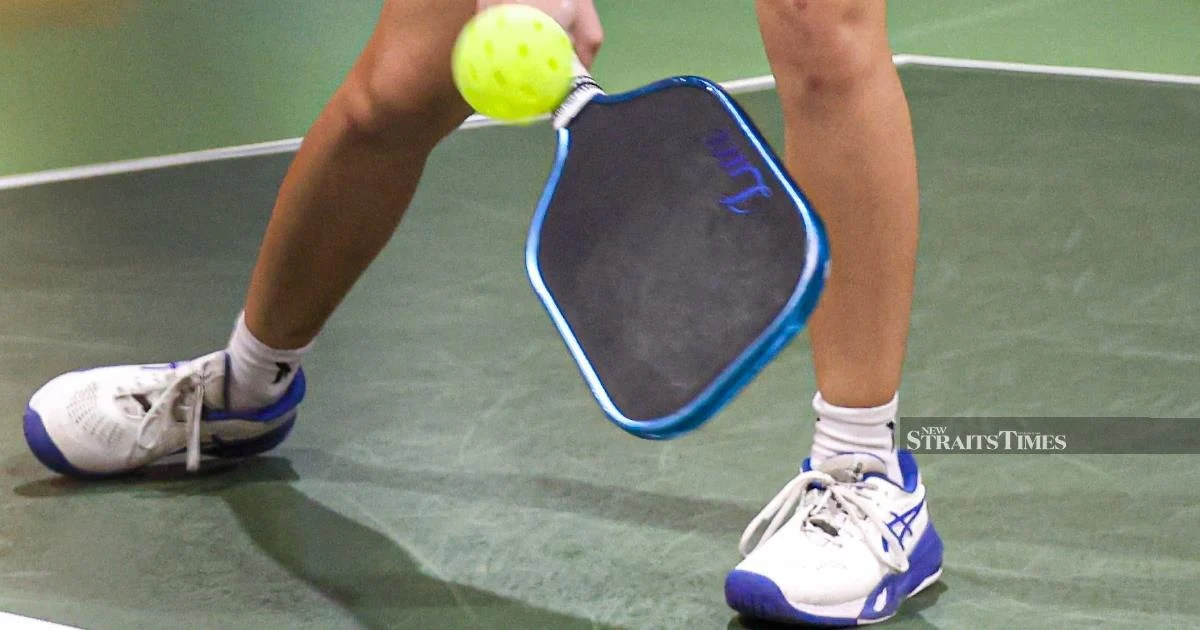
A late-night pickleball game in Petaling Jaya has ballooned into a significant public controversy, forcing local authorities and community leaders to reconsider how Malaysian towns approve and regulate recreational sports facilities. The incident, which rapidly gained traction across social media platforms, highlights a fundamental tension between the growing popularity of recreational activities and the legitimate concerns of residents seeking peaceful enjoyment of their homes during evening and nighttime hours.
The dispute has exposed a regulatory gap in how local councils currently oversee sports facility development. Many residential areas across the Klang Valley and beyond have seen pickleball courts sprout with limited formal oversight regarding their precise location or permitted operating schedules. Local councils, which technically hold authority over land use and public nuisance matters, have often found themselves reacting to neighbourhood complaints rather than proactively shaping where these facilities should be established. This reactive approach has created situations where courts operate in problematic locations with minimal restrictions on timing, generating noise concerns that resonate through surrounding communities.
Community groups and resident associations have seized upon the Petaling Jaya incident to articulate broader concerns about urban planning and quality of life in densely populated suburbs. Their arguments extend beyond simple noise complaints. Residents contend that the cumulative effect of multiple evening and late-night recreational activities—pickleball, tennis, badminton—fundamentally alters the character of neighbourhoods designed primarily for residential occupation. When these facilities operate until midnight or later, they fundamentally disrupt the reasonable expectation of tranquility that residents should enjoy in their own homes, particularly for families with young children and shift workers attempting to sleep during daylight hours.
Pickleball's explosive growth across Southeast Asia, driven by its accessibility and social appeal, has created unexpected urban planning challenges. Unlike established sports like badminton or tennis, pickleball courts proliferate rapidly and often with minimal community consultation. The sport's lower barrier to entry—both in terms of cost and physical demands—has made it attractive for entrepreneurs and clubs seeking to develop commercial recreational spaces. However, this expansion has outpaced the regulatory framework that should guide their integration into existing neighbourhoods.
Local council officials acknowledge they require clearer guidelines for approving court locations and establishing mandatory operating hours in residential zones. Currently, approvals often hinge on basic zoning compliance without adequate consideration of how late-evening operations affect nearby residents. Several council representatives have indicated support for implementing planning guidelines that would designate appropriate zones for such facilities, require impact assessments before approval, and establish enforced curfews on operating hours within residential areas. Such measures would bring Malaysia in line with approaches adopted in several other developed Asian cities.
The noise pollution dimension resonates strongly with residents and environmental advocates. Pickleball produces a distinctive popping sound when paddles strike the ball, and competitive matches or evening social games can generate sustained noise for hours. Unlike outdoor tennis courts, which may operate with fewer simultaneous games, pickleball facilities often feature multiple courts in close proximity, exponentially increasing noise impact. Residents within 200 metres of active courts report difficulty sleeping and concentrating, particularly when facilities operate beyond reasonable evening hours.
Businesses and sports clubs operating these facilities contend that strict restrictions could undermine their commercial viability and limit community access to recreational opportunities. They argue that pickleball serves an important social function, particularly for middle-aged and older residents who find it less physically demanding than tennis. Operators emphasize that the Petaling Jaya situation involved isolated bad behaviour rather than systemic operational problems, and that sweeping regulations would unfairly penalize responsibly managed facilities. This perspective highlights the genuine tension between enabling recreational opportunities and protecting residential tranquility.
Propertyowners in affected areas worry about impacts on their home values and the desirability of living in their neighbourhoods. Real estate professionals acknowledge that proximity to late-operating recreational facilities can make properties less attractive to potential buyers and renters, particularly families. This economic dimension adds weight to resident complaints and increases political pressure on councillors to implement protective measures.
Experts in urban planning and environmental health suggest that the solution requires coordinated action across multiple levels. They recommend that state and local governments establish clear operational frameworks before approving new facilities, including mandatory operating hours that typically end by 10 PM in residential zones, noise mitigation requirements such as acoustic fencing, and regular compliance monitoring. Some jurisdictions in Australia and Canada have adopted such approaches with success, creating frameworks that accommodate recreational opportunities while protecting residential amenity.
The pickleball controversy also raises questions about broader urban governance in Malaysian cities. As suburbs densify and recreational options expand, councils must develop more sophisticated planning tools and enforce them consistently. The Petaling Jaya situation demonstrates that reactive complaint-handling proves inadequate and costly, both for residents who suffer through noise disputes and for local authorities who face public relations challenges and potential legal liability.
Moving forward, local councils across Selangor and other states with growing pickleball presence are expected to develop guidelines within the coming months. These frameworks should balance the legitimate desire for accessible recreational facilities with equally legitimate resident rights to peaceful enjoyment of their homes. The debate's outcome will establish important precedents for how Malaysian communities navigate the integration of new recreational activities into established residential areas, ultimately shaping the quality of urban life in suburban Malaysia.

