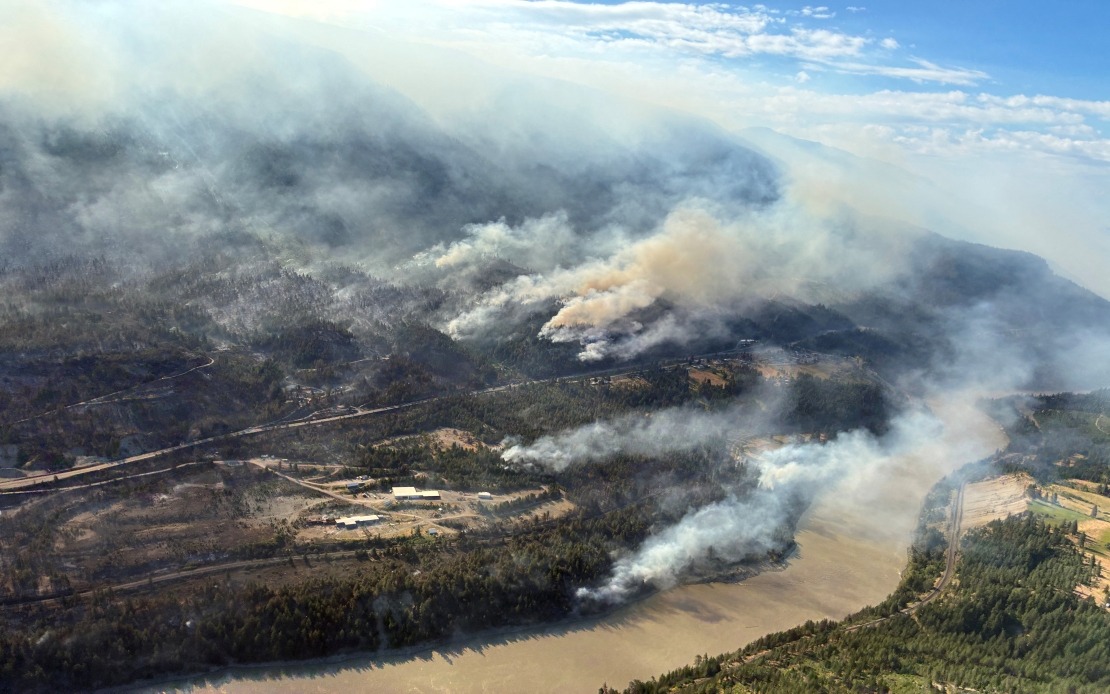
A Cessna O-1 "Bird Dog" aircraft tasked with suppressing wildfires in Canada's Northwest Territories crashed near Fort Simpson on Thursday, claiming the lives of three people onboard, according to NWT Fire, the territories' official wildfire management authority. The confirmation of the crash marked a tragic escalation from an initially reported "serious incident," highlighting the inherent dangers of aerial firefighting operations in remote and challenging terrain.
The aircraft was actively engaged in suppressing wildfire FS009-26 when the accident occurred. This particular fire, which ignited naturally on June 23 in the Marten Hills region of the Dehcho area, has grown to approximately 100 hectares and remains completely uncontrolled. The loss of the aircraft and its crew represents not only a human tragedy but also a significant setback to ongoing wildfire management efforts in the region, as aerial assets are particularly valuable in accessing fires in geographically isolated areas where ground crews face logistical constraints.
Canadian authorities moved swiftly to secure the crash site and initiate a comprehensive investigation. The Royal Canadian Mounted Police coordinated with the Northwest Territories' Environment and Climate Change Ministry to reach the location, assess the situation, and begin determining the circumstances surrounding the incident. This multi-agency response reflects standard protocol for aviation accidents involving government operations, with investigations typically examining factors ranging from mechanical failure and weather conditions to pilot error and operational decisions.
The timing of this tragedy comes amid an intense wildfire season gripping the Northwest Territories. As of June 25, the region was grappling with twenty-eight active wildfires that had collectively consumed nearly 91,400 acres of land. The scale of the conflagration underscores the resource-intensive nature of wildfire management in Canada's northern territories, where vast distances, sparse infrastructure, and extreme weather conditions complicate suppression efforts. Among these fires, nineteen are classified as out of control, four are being held at their current extent, five are under control, and eight have been extinguished.
The Cessna O-1, a single-engine aircraft that first entered service with the United States military during the Korean War, has been adapted for civilian use in forestry and wildfire operations across North America. The aircraft's enduring popularity in wildfire suppression stems from its ability to operate from relatively short, unprepared landing strips and its capability to carry a crew of observers and spotters who direct ground and aerial operations. However, the work remains inherently hazardous, requiring pilots to operate at low altitudes in areas with variable terrain, unpredictable weather patterns, and thick smoke that can severely limit visibility.
For Malaysia and Southeast Asian nations, this incident carries significant implications as wildfire management capabilities continue to develop across the region. Countries such as Indonesia and Malaysia have experienced devastating transboundary haze episodes, most notably in 1997-1998 and 2015, prompting investments in aerial firefighting infrastructure and training. The Northwest Territories crash serves as a sobering reminder of the occupational risks borne by aerial firefighting personnel and the importance of rigorous safety protocols, comprehensive pilot training, and regular aircraft maintenance in fire suppression operations.
The crash also highlights broader questions about resource allocation and capacity during peak fire seasons. In jurisdictions experiencing concurrent, widespread wildfires, demand for aerial assets often exceeds available supply, potentially creating pressure on pilots and crews to operate in suboptimal conditions. The loss of a single aircraft and crew in the Northwest Territories reduces an already stretched emergency response capability, potentially affecting the management of remaining active fires in the region throughout the remainder of the fire season.
Investigations into aviation accidents involving wildfire suppression aircraft typically take several weeks to months to complete, with findings often leading to operational adjustments or equipment modifications across the broader firefighting community. Lessons learned from such incidents are frequently shared among jurisdictions and organizations engaged in aerial firefighting, contributing to continuous improvements in safety standards and operational procedures. The findings from the Northwest Territories investigation may have particular relevance for Canadian provinces and territories that employ similar aircraft and crews in comparable operational environments.
The death of three wildfire suppression personnel also underscores the sacrifice made by individuals working in emergency management and natural disaster response. These professionals accept significant risks as part of their commitment to protecting communities and environmental assets from the destructive force of uncontrolled wildfires. Their dedication, demonstrated through the continuation of suppression efforts even as this investigation unfolds, reflects a broader ethos within the wildfire management community across North America and internationally.

