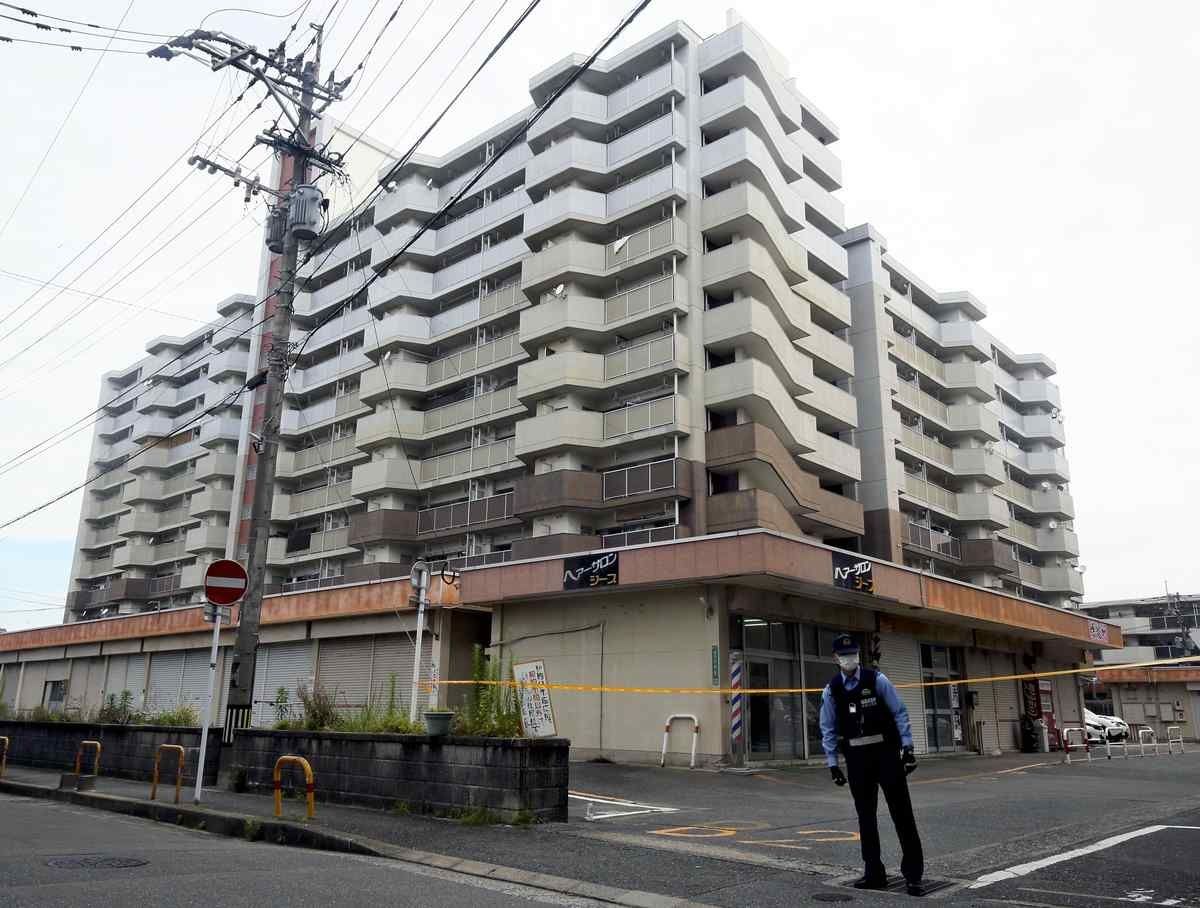
Japanese police in Fukuoka City have arrested a 36-year-old woman following the fatal stabbing of her 33-year-old friend in what investigators are treating as a serious domestic violence incident with potential ramifications for how authorities approach cases involving children in dangerous home environments.
The incident unfolded in the early hours of Thursday morning around 3.15am when the suspect used a knife-like object to inflict multiple stab wounds on her friend's neck and chest. The victim was rushed to hospital but was pronounced dead upon arrival, transforming what initially appeared to be an attempted murder case into a full homicide investigation. The Fukuoka Prefectural Police's Higashi Station has since reclassified the charges accordingly.
What renders this case particularly distressing is the presence of three elementary school-aged children who were sleeping in an adjacent room throughout the violent assault. The proximity of innocent minors to such a brutal crime raises serious questions about the safety protocols and duty-of-care considerations that apply in such households, and whether authorities had any prior awareness of tensions between the two women living under the same roof.
The suspect has made a full confession to investigators, admitting without equivocation to the attack. When questioned by officers, she stated plainly: "It's true I did it. I stabbed her many times." This admission, combined with physical evidence and witness statements, has provided prosecutors with a straightforward case to pursue, though her motive remains unclear from available information.
The circumstances suggest this was not a random act of violence but rather a deeply personal conflict that escalated to lethal proportions. The fact that the two women were living together indicates they shared a residential space, whether as housemates, relatives, or through some other domestic arrangement. Understanding the nature of their relationship and the events leading up to the stabbing will be crucial for investigators attempting to reconstruct the sequence of events and determine what precipitated such a violent outburst at such an unusual hour.
Incidents of this nature occurring within private homes pose particular challenges for law enforcement across Asia, where family privacy and the sanctity of the home remain deeply embedded cultural values. In Japan, as in Malaysia and other regional nations, domestic violence cases often remain hidden behind closed doors until they reach crisis points. The presence of children in this case underscores how cycles of violence can affect the most vulnerable members of society, potentially causing lasting trauma even if they were not directly targeted.
The case also highlights broader concerns about communal living arrangements in urban Japan, where financial pressures and housing costs sometimes force unrelated adults to share accommodation. When tensions arise in such situations, the confined nature of shared housing can escalate minor disputes into dangerous confrontations with tragic outcomes. This pattern is increasingly relevant for Southeast Asian cities as well, where similar housing pressures are creating comparable living situations across the region.
From a law enforcement perspective, the swift response by Higashi Station and the immediate reclassification from attempted murder to homicide demonstrates Japan's structured approach to serious criminal investigation. However, the case inevitably raises questions about prevention mechanisms and whether warning signs—arguments, threats, or prior incidents between the suspect and victim—had been reported to authorities or noticed by neighbors.
The confession also raises questions about mental health factors that may have contributed to the violence. Without access to additional background information about the suspect's psychological state or any history of mental illness, authorities will need to determine whether this was an act of premeditated murder or a crime of passion driven by temporary loss of control. Such distinctions carry significant weight in Japanese criminal proceedings.
The tragedy extends beyond the immediate legal consequences for the perpetrator. The three children who witnessed or learned of their mother's death will require substantial psychological support and counseling as they process this profound loss. Their future placement, whether with extended family or through child protective services, will be determined by authorities investigating the household circumstances.
This incident serves as a sobering reminder across the Asia-Pacific region that domestic spaces, while ostensibly protective environments, can sometimes become sites of extreme violence. It underscores the critical need for community awareness, better reporting mechanisms for domestic disputes, and enhanced intervention strategies before situations deteriorate into fatal confrontations. The case will likely influence discussions within Japanese law enforcement about early intervention and prevention protocols in shared housing situations.

