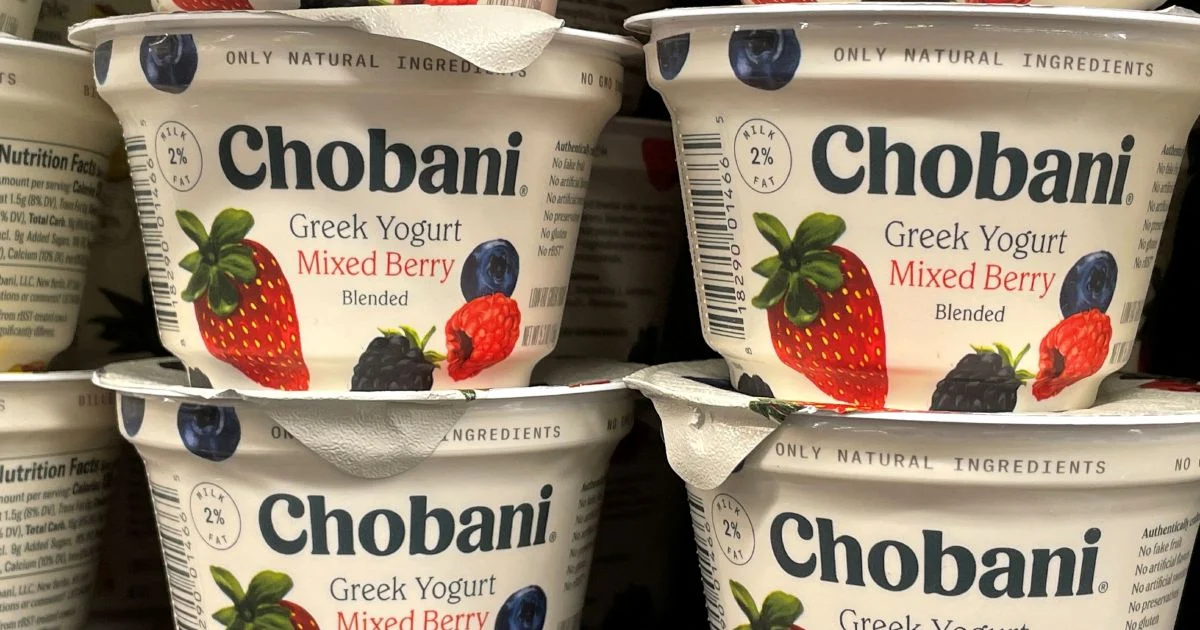
Danone, the French dairy multinational, has initiated legal proceedings against American competitor Chobani regarding claims about protein content in yoghurt products, a move that underscores an emerging flashpoint within the global protein-focused food industry. The lawsuit represents more than a routine commercial dispute—it reveals how established players view the competitive threat posed by newer entrants capitalising on shifting consumer preferences driven by the growing adoption of GLP-1 medications for weight management.
The protein category has emerged as one of the few segments within food and beverages experiencing consistent tailwinds from users of GLP-1 drugs such as Ozempic and Wegovy. These medications, originally developed for diabetes management but increasingly prescribed for weight loss, fundamentally alter eating behaviours and appetite regulation. Consumers taking these medications often gravitate toward protein-rich foods that support satiety and preserve muscle mass during weight loss, and yoghurt—traditionally a staple dairy product—has become an unexpected beneficiary of this dietary shift.
Danone's aggressive posture toward Chobani signals recognition that the American brand has successfully captured mindshare among health-conscious consumers, particularly those actively managing their weight through pharmaceutical interventions. Chobani, which built its market presence through Greek yoghurt products marketed for their higher protein content relative to conventional yoghurt varieties, appears to have struck a resonant chord with an expanding demographic. The French company's decision to pursue litigation suggests it views Chobani's market positioning not merely as competition but as a direct challenge to its own growth prospects in a category it has historically dominated through brands like Danone and Activia.
For Malaysian consumers and businesses, this transatlantic dispute carries meaningful implications. The Southeast Asian market has demonstrated increasing openness to premium yoghurt products, with brands investing heavily in protein-enriched variants and wellness positioning. As GLP-1 medications gradually gain regulatory approval and prescription prevalence across Asia-Pacific markets—several have already obtained approvals in key territories—the pattern observed in Western markets will likely replicate regionally. Yoghurt manufacturers operating in Malaysia, from multinational corporations to local players, should anticipate a similar competitive intensification around protein claims and nutritional positioning.
The litigation between Danone and Chobani also touches on regulatory and marketing standards that differ across jurisdictions. Protein content claims, substantiation requirements, and permissible marketing language vary between the United States, European Union, and ASEAN member states. Malaysian regulators and industry players must recognise that while this lawsuit unfolds in American courts, its outcomes could influence how protein claims are scrutinised and challenged in regional markets. The case may establish precedents regarding the standards of evidence required to support protein labelling, potentially raising the bar for all manufacturers seeking to market high-protein dairy products locally.
Beyond the immediate dairy sector, this dispute illuminates a broader reconfiguration of the food industry driven by pharmaceutical interventions in weight management. Companies across multiple categories—from prepared meals to snacks to beverages—are racing to position their products as compatible with GLP-1 treatment protocols. The protein battle in yoghurt is simply the most visible manifestation of this larger trend. Investors, retailers, and food service operators throughout Asia are beginning to recognise that GLP-1 adoption fundamentally alters food consumption patterns, creating opportunities for companies that can credibly address the nutritional needs of this expanding consumer segment.
The Danone-Chobani confrontation also reflects broader strategic anxieties within the traditional dairy sector. Major established players, which built their market position through decades of brand development and distribution infrastructure, now face challengers who can move more nimbly in capitalising on emerging consumer trends. Chobani's rapid ascent challenged Danone's historical yoghurt dominance, particularly within premium segments. For regional dairy companies in Malaysia and throughout Southeast Asia, the lesson is clear: established market position provides no guarantee of future competitive advantage if emerging preferences are addressed more effectively by newer competitors.
The protein-focused positioning that fuels this clash also intersects with sustainability considerations that increasingly matter to Malaysian consumers. High-protein yoghurt production involves different sourcing and formulation requirements than conventional yoghurt, which could influence supply chain decisions and environmental footprints. As competition intensifies around protein content, manufacturers will face mounting pressure to demonstrate that their sourcing practices and production methods meet evolving consumer expectations regarding environmental responsibility alongside nutritional performance.
Looking ahead, the outcome of this litigation could establish important precedents for how companies substantiate nutritional claims in dairy products. Malaysian industry participants should monitor the case carefully, as courts and regulators may impose stricter evidentiary standards for protein and other nutrient claims. This development, combined with the rising influence of GLP-1 medications on global food preferences, suggests that the next phase of competitive intensity in the Malaysian yoghurt market will increasingly centre on credible, substantiated nutritional positioning rather than general wellness messaging.
Ultimately, the Danone-Chobani dispute underscores a pivotal moment for the global dairy industry. Consumer preferences are shifting in response to pharmaceutical innovation, traditional market leaders face disruption from agile competitors, and regulatory standards around nutritional claims are becoming more stringent. For Malaysia's dairy sector, these developments suggest both challenge and opportunity—companies that can effectively navigate the emerging regulatory landscape while authentically addressing the evolving nutritional needs of GLP-1 users stand to capture meaningful market share in the coming years.

