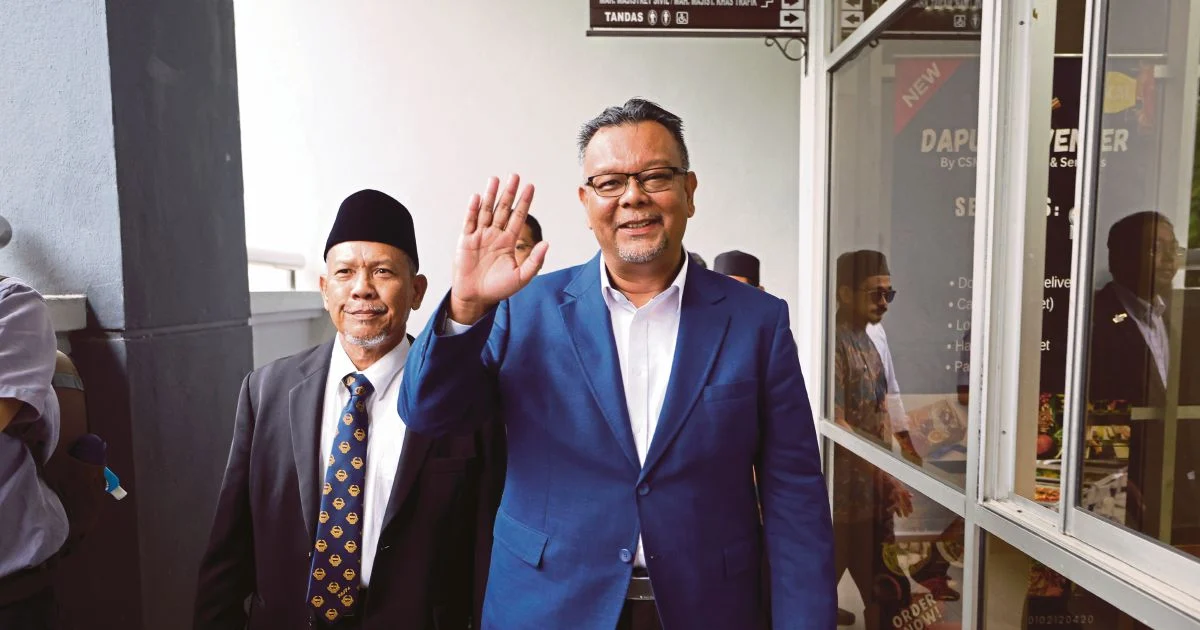
Dr Haim Hilman Abdullah, the Jitra state assemblyman, entered a not guilty plea today before the Seremban magistrate's court on allegations that he made statements with the potential to trigger public unrest. The charge centres on communication deemed capable of alarming the public, a serious matter under Malaysian law that reflects authorities' concerns about the responsible use of public discourse by elected officials.
The legal proceeding marks another instance in which a Malaysian politician has faced prosecution for verbal or written statements. The charge falls under provisions designed to maintain public order and prevent the spread of information that could destabilise communities or undermine social harmony. Such cases have become increasingly common as scrutiny of public figures' communications intensifies, particularly given the rapid dissemination of statements through digital platforms and traditional media channels.
Jitra, a constituency in Kedah, has been observing the proceedings with considerable interest, given Dr Haim Hilman's role as the elected representative for the area. State assemblymen hold significant responsibility in shaping public opinion and setting community standards, making their statements subject to heightened scrutiny from both the public and enforcement authorities. The not guilty plea suggests the assemblyman disputes the characterisation of his statements as having crossed the legal threshold into causing public alarm.
The specifics of which statements led to the charge remain central to understanding the case's significance. Malaysian law provides considerable latitude for public discourse, yet draws a boundary when expressions are deemed reckless or deliberate in their potential to disturb public peace. Determining whether statements fall on the permissible or prohibited side of that boundary often becomes the crux of such prosecutions, requiring courts to assess context, intent, and likely impact.
For Malaysian politicians, navigating the intersection of free expression and legal restrictions presents an ongoing challenge. While constitutional protections exist for parliamentary and legislative debate, statements made outside these forums enjoy less explicit immunity. This case exemplifies the tension between enabling politicians to engage meaningfully with constituents and maintaining legal frameworks designed to prevent social discord. The precedent established through such proceedings influences how future elected officials calibrate their public communications.
The timing and venue of statements can significantly influence how authorities and courts evaluate their impact. Comments made during parliamentary sessions benefit from broad immunity provisions, whereas statements in public forums, on social media, or to news outlets receive different legal treatment. Understanding these distinctions is crucial for political figures seeking to advocate for their positions without crossing into legally problematic territory. The complexity of navigating these distinctions occasionally ensnares politicians who intend no malice but whose words are interpreted as inflammatory.
Dr Haim Hilman's decision to contest the charges demonstrates a willingness to defend his position through the judicial system rather than accepting administrative resolution. This approach allows for thorough examination of the evidence and argumentation surrounding the allegedly problematic statements. Courts will ultimately determine whether the prosecution's characterisation of the statements' potential impact withstands legal scrutiny, considering factors such as context, audience, timing, and the actual consequences that ensued.
The case reflects broader dynamics in Malaysian politics where competing interests—including governmental authority, legislative prerogatives, and public accountability—create complex legal landscapes for politicians. State assemblymen operate within state-level legislative frameworks while remaining subject to federal laws, creating an additional layer of complexity. Dr Haim Hilman's position makes him simultaneously a public voice accountable to his constituents and a legal actor subject to criminal provisions.
Public reactions to the charge have likely been mixed, with supporters viewing it as an attempt to silence legitimate political expression and critics potentially seeing it as necessary enforcement of community standards. This polarisation is common in cases involving politicians' statements, as the same words can be interpreted through vastly different lenses depending on one's political perspective and existing attitudes toward the individual. Courts must navigate these polarised perspectives to reach findings based on legal principles rather than political affiliations.
The proceedings underway in Seremban magistrate's court will determine the credibility and weight of evidence presented by prosecutors. If convicted, Dr Haim Hilman would face potential penalties that could extend beyond fines to include imprisonment, depending on sentencing guidelines and the court's assessment of aggravating circumstances. Conversely, an acquittal would vindicate his position and signal judicial agreement that his statements did not constitute the alleged offence.
For Malaysian politics and media more broadly, this case serves as a reminder of the stakes involved when public figures communicate with their audiences. The incident underscores how statements that politicians may view as routine advocacy or commentary can trigger official scrutiny and criminal charges if deemed to cross statutory thresholds. This reality shapes political discourse across the nation, as elected officials become increasingly conscious of potential legal consequences accompanying public expression.
The judicial proceedings will be closely monitored by political observers, media commentators, and the public, as the outcome could influence how Malaysian politicians approach public statements going forward. Whether the courts ultimately validate or reject the prosecution's case will send important signals about the boundaries of permissible political speech and the circumstances under which authorities invoke these particular statutory provisions. Until the magistrate renders judgment, Dr Haim Hilman remains entitled to the presumption of innocence while preparing his legal defence.

