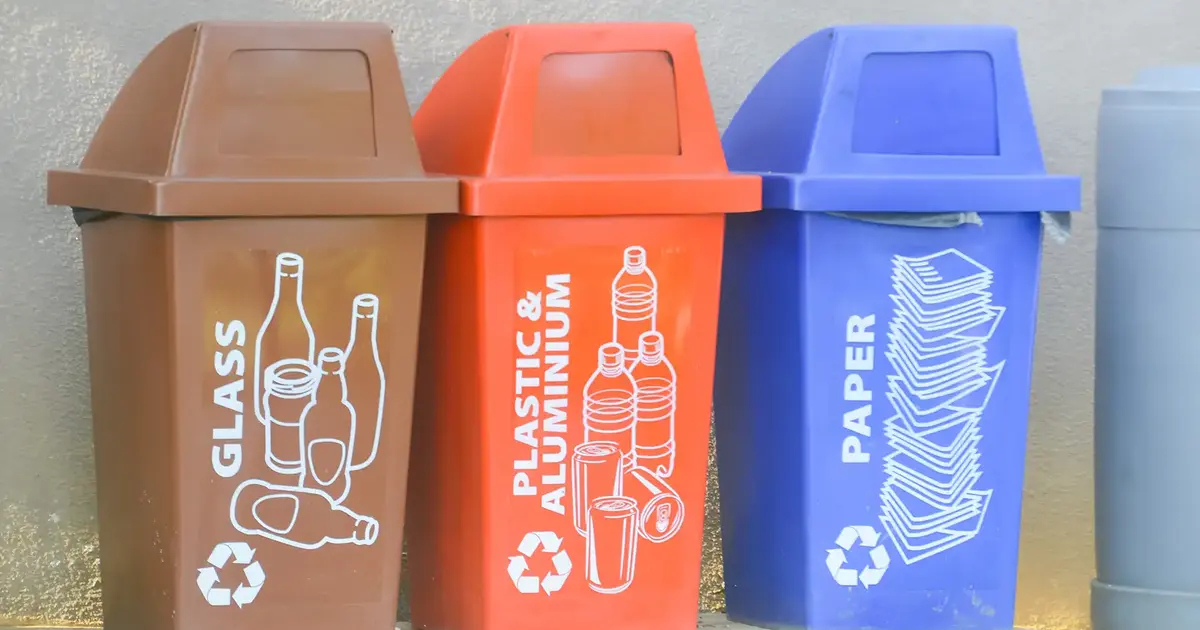
Selangor's approach to waste management is facing a significant overhaul as state authorities recognise that existing regulatory frameworks contain ambiguities undermining consistent implementation. Local government committee chairman Ng Suee Lim has publicly acknowledged that the current provisions suffer from interpretative flexibility, a situation that has generated confusion among municipal authorities, waste contractors, and residents alike across the state.
The recognition of these definitional and procedural gaps marks an important juncture for Malaysia's most developed state, which handles waste from more than six million residents spread across multiple municipalities with varying operational capacities. Selangor Darul Ehsan generates approximately 38,000 tonnes of solid waste daily, making waste management one of the state's most pressing infrastructure challenges. The inconsistencies in how existing guidelines are understood have reportedly created inefficiencies in collection schedules, disposal protocols, and enforcement mechanisms across different local authorities.
The state government's decision to conduct a formal review demonstrates growing awareness that regulatory clarity is essential for effective municipal management. When different councils interpret the same guidelines differently, waste management becomes fragmented and inefficient. This problem is particularly acute in Selangor, where rapid urbanisation has created a patchwork of municipalities with differing resources, expertise, and administrative priorities. Some councils have adopted stricter interpretations while others have taken more permissive approaches, creating an uneven landscape that disadvantages both compliance-minded operators and conscientious residents.
Ng Suee Lim's candid acknowledgement that confusion exists represents a significant shift toward transparency in governance. Rather than maintaining the fiction that existing rules are clear and uniformly understood, Selangor's leadership is confronting the practical reality that ambiguous language in regulatory documents creates real implementation challenges. This honest assessment is a prerequisite for developing truly effective policy solutions that address the underlying sources of confusion rather than merely attempting to enforce inadequate guidelines more strictly.
The involvement of state agencies in this review process signals that the exercise will be comprehensive rather than superficial. Multiple stakeholders—including the Selangor Waste Management Corporation, local authorities, private waste operators, and environmental groups—will likely need to contribute expertise and practical insights. Such consultative processes can expose where guidelines have been interpreted in conflicting ways and identify the root causes of these divergences. The resulting updated framework should create explicit clarity about responsibilities, standards, and procedures that reduce room for discretionary interpretation.
For Malaysian waste management as a sector, Selangor's experience holds broader relevance. As the nation's economic engine and most densely populated state, developments in Selangor waste policy often establish precedents that other states observe and potentially adopt. An improved waste management framework in Selangor could become a template for Kuala Lumpur, Putrajaya, and other states grappling with similar urban waste challenges. Conversely, failure to substantially improve the regulatory environment might perpetuate systemic inefficiencies that harm environmental outcomes and operational effectiveness across the region.
The business implications for waste management companies operating in Selangor are substantial. Contractors have traditionally navigated ambiguous guidelines by developing their own interpretations, sometimes leading to disputes with local authorities over compliance. Clearer, more explicit guidelines would reduce legal and operational uncertainty, allowing companies to invest more confidently in equipment, training, and expansion. This should ultimately benefit consumers through more reliable collection services and potentially lower costs through reduced administrative friction.
Residential and commercial waste generators also stand to benefit from improved clarity. When waste management rules are ambiguous, households and businesses struggle to understand their obligations regarding segregation, storage, and disposal. The resulting confusion undermines waste minimisation and recycling efforts, which depend on consistent public participation. More transparent guidelines enable better compliance and make it easier for conscientious residents and businesses to do the right thing without fear of inadvertent violations.
The environmental dimension cannot be overlooked. Inconsistent waste management practices across different municipalities can result in suboptimal environmental outcomes, with some areas achieving better waste diversion rates and recycling performance than others despite facing similar circumstances. Standardised, well-understood guidelines create a foundation for systematic improvement in waste diversion, reduction of landfill dependency, and environmental protection measures that require coordinated action across all of Selangor's municipalities.
Moving forward, the review process must balance specificity with flexibility. Guidelines that are overly rigid may become outdated quickly in rapidly changing urban environments or prove unsuitable for diverse municipal contexts. Conversely, excessive flexibility perpetuates the confusion that prompted this review. The optimal regulatory framework will likely feature clear core standards and procedures while allowing measured discretion in implementation to accommodate local circumstances and emerging best practices.
The timeline for completing this review and implementing updated guidelines will be crucial. Prolonged consultation processes can delay necessary improvements, while rushed exercises may fail to address underlying issues comprehensively. Selangor's authorities will need to establish a realistic but urgent timeline that allows sufficient stakeholder input without indefinitely postponing the clarity that the waste management sector requires to function more effectively.

