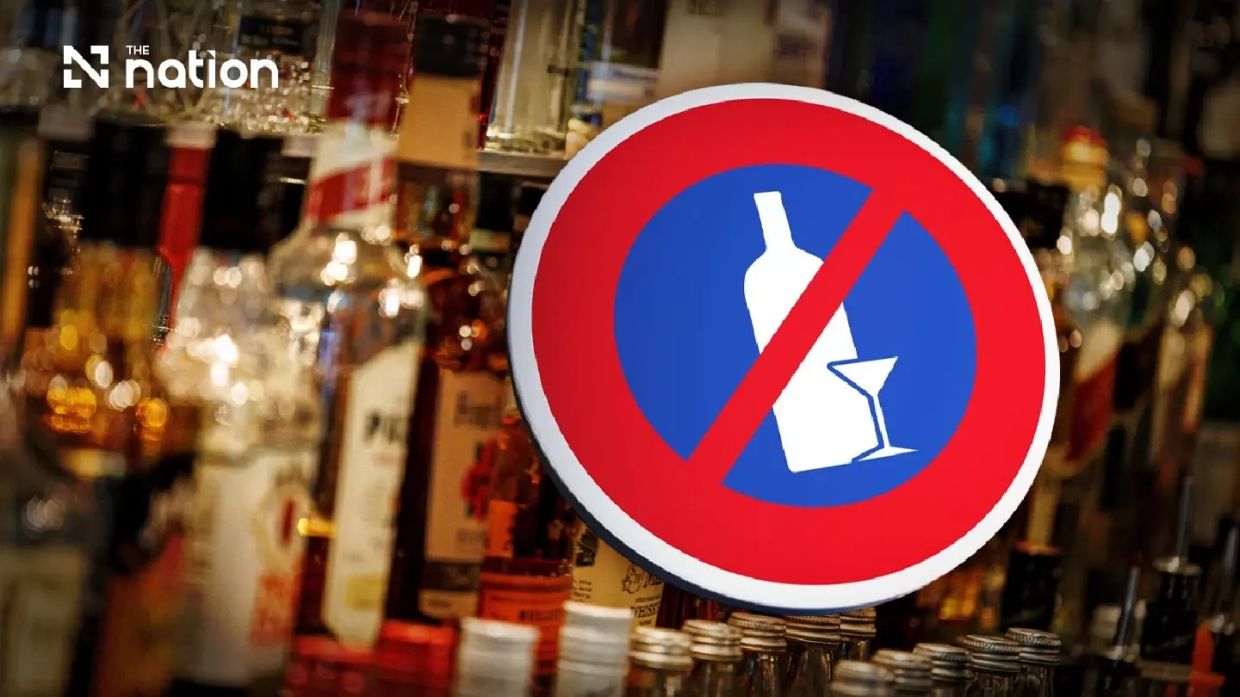
Thailand's Election Commission has declared a comprehensive prohibition on all alcoholic beverages in Bangkok and Pattaya electoral zones during the June 27-28 local elections, marking the latest in a series of strict regulatory measures designed to maintain order and impartiality during the voting period. The blanket restriction encompasses the sale, distribution, gifting and serving of any form of alcohol throughout designated polling areas, beginning from 6pm on Saturday and extending until 6pm on Sunday.
This dual-day election will determine leadership for both Bangkok and Pattaya, with voters selecting new governors and metropolitan council representatives in the capital, whilst those in the coastal city will vote for a new mayor and city council. The Election Commission's decision to extend the alcohol ban to cover the entire period from one day before polling through to the conclusion of voting reflects a deliberate strategy to prevent potential disruptions and ensure that the electoral process unfolds in a calm, controlled environment. Officials have stressed that the regulation applies uniformly across all designated electoral zones, meaning that even transporting alcohol into restricted areas during the banned period constitutes a violation.
Enforcement mechanisms carry substantial penalties designed to deter non-compliance. Any individual or business found breaching the alcohol ban faces potential criminal liability under Section 123 of the Local Elections Act B.E. 2562 and subsequent amendments. Violators may encounter imprisonment for up to half a year, financial penalties reaching 10,000 baht, or a combination of both sanctions. The severity of these consequences underscores the Election Commission's determination to maintain strict control over the electoral environment, though critics argue such measures raise questions about personal freedoms during voting periods.
The ban's scope is notably comprehensive, targeting not merely retail establishments but extending to private individuals and organisations. This means that restaurants, bars, nightclubs and other hospitality venues must cease alcohol service immediately upon the ban's commencement, whilst private citizens are prohibited from gifting alcohol to friends or family members during the restricted window. The Election Commission has further appealed to all businesses and members of the public to demonstrate strict compliance, framing adherence as essential to preserving the integrity of the democratic process.
For Malaysian readers, Thailand's electoral alcohol prohibition offers an interesting comparative perspective. Malaysia's own election conduct regulations maintain certain restrictions during polling periods, though the specific mechanisms and enforcement intensity differ across states and federal territories. Thailand's approach reflects the particular governance framework of Southeast Asia's kingdom, where election authorities typically employ stronger regulatory instruments than many neighbouring democracies, reflecting the region's diverse approaches to managing electoral conduct and public behaviour.
The actual voting on June 28 will occur between 8am and 5pm at designated polling stations throughout Bangkok and Pattaya. The Election Commission has actively campaigned to encourage voter participation, describing the elections as a crucial mechanism for ensuring transparent, fair and neutral local governance. Officials have emphasised that these elections represent an opportunity for residents to directly influence municipal leadership and policy direction in their respective areas, positioning electoral participation as a civic responsibility.
Voters seeking additional information regarding polling procedures, location details or regulatory requirements can access resources through the official Election Commission of Thailand website or contact the dedicated hotline at 1444. This multi-channel approach to voter information reflects growing recognition across Southeast Asia that clear, accessible communication enhances electoral participation rates and reduces confusion among voters, particularly in large urban constituencies where population density and administrative complexity can otherwise hinder engagement.
The alcohol ban itself represents part of a broader regulatory framework governing Thai elections, designed to prevent intimidation, undue influence and disorder at polling stations. Historical concerns about alcohol-fuelled confrontations and the use of intoxication to suppress voter turnout in certain areas have informed the Election Commission's decision to implement such comprehensive restrictions. Election officials view the measure as a preventive safeguard rather than punitive action, though implementation inevitably restricts legitimate commercial activity during the specified period.
For Bangkok and Pattaya businesses, particularly those in hospitality sectors, the two-day disruption requires advance planning and inventory management. Restaurants and bars must cease alcohol service abruptly on Saturday evening and cannot resume until Monday morning, potentially affecting weekend revenue during what would normally be high-traffic periods. However, non-alcoholic beverages remain unrestricted, allowing establishments to maintain partial operations during the banned period.
Thailand's approach to electoral regulation reflects broader questions about balancing democratic participation with public order concerns. Whilst alcohol bans during elections remain standard practice across several Asian democracies, their effectiveness in preventing actual electoral misconduct remains contested among political scientists. Some argue that restrictions primarily affect legitimate businesses and consumers rather than addressing underlying issues of voter intimidation or coercion. Nevertheless, the Election Commission maintains that the measure contributes meaningfully to creating an environment conducive to free and fair voting.

