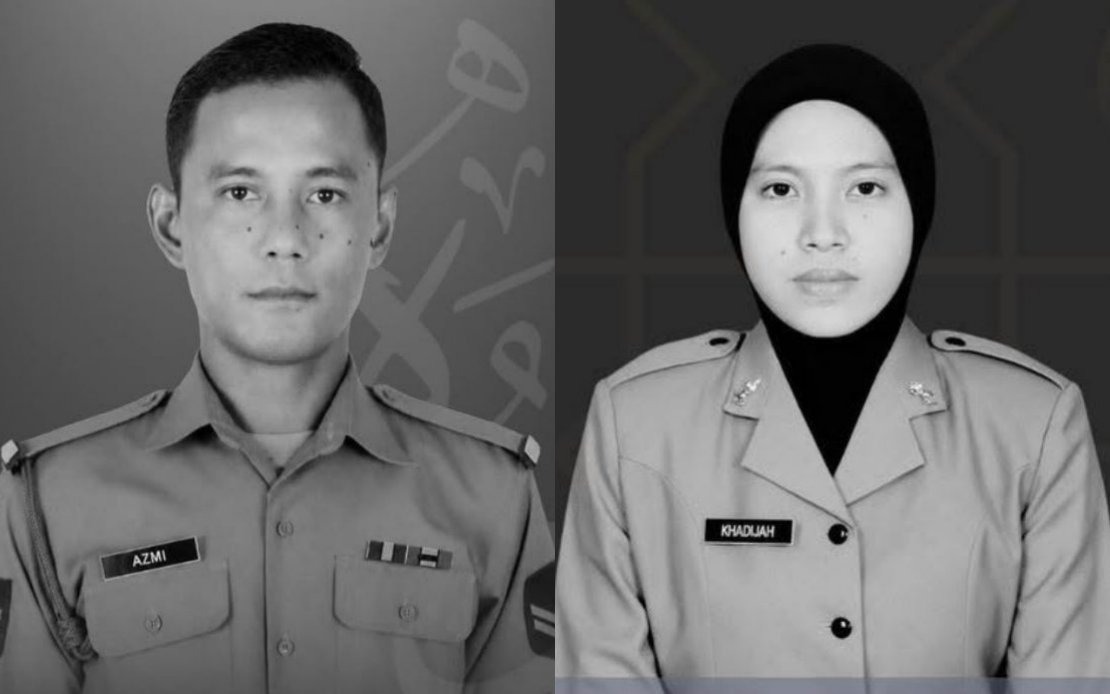
The Malaysian Army has confirmed the identities of two service personnel who died in an explosion that occurred during a grenade-throwing training exercise at Hobart Camp shooting range in Gurun, Kedah, on June 16. The deceased have been identified as Corporal Norazmi Abu Bakar, attached to the 6th Battalion, Royal Malay Regiment (6 RAMD), and Private Siti Khadijah Sungip, from the 1st Squadron, Royal Army Engineers Regiment (1 RAJD). Both personnel sustained critical injuries in the 10.57 am incident and were pronounced deceased while being transferred to Sultan Abdul Halim Hospital (HSAH) in Sungai Petani.
According to an official Army statement, the tragedy occurred while the two were participating in the RAJD Combat Enhancement Training programme, which falls under the purview of the 2nd Infantry Division. The remains have been directed to Sultanah Bahiyah Hospital in Alor Setar for post-mortem examination. This incident represents a significant loss within Malaysia's military training framework, highlighting the inherent risks associated with live ordnance exercises even under supervised conditions.
General Tan Sri Azhan Md Othman, the Malaysian Army Chief, has ordered a comprehensive and immediate investigation to establish the precise circumstances and cause of the explosion. The directive underscores the gravity with which military leadership views the incident and reflects standard protocol for such occurrences within armed forces structures. The investigation will examine multiple factors including equipment malfunction, procedural deviation, environmental conditions, and any other contributing elements that may have led to the fatal blast.
In his official response, General Azhan expressed profound sorrow regarding the loss of the two personnel and extended heartfelt condolences to their families during this period of acute grief. He appealed to the bereaved families to draw upon their reserves of strength as they navigate the tragedy. Such gestures, while ceremonial in nature, form part of institutional acknowledgment of the sacrifice made by military personnel and their families, recognizing the demanding nature of military service in Malaysia.
The Army has reaffirmed its commitment to maintaining and enhancing safety protocols across all training operations. Officials have pledged that findings emanating from the investigation will be thoroughly analysed and integrated into revised safety procedures and training methodologies. This reactive approach to safety improvement, while necessary, raises broader questions about pre-incident risk assessments and whether existing safety frameworks at the Hobart Camp facility were sufficiently robust to prevent such occurrences.
Grenade-throwing exercises represent a fundamental component of infantry combat training worldwide, enabling soldiers to develop proficiency with hand-thrown ordnance in controlled environments. However, these exercises inherently involve significant risk factors, including premature detonation, handling errors, and unpredictable blast behaviour. The fatality of two trained personnel suggests that circumstances in this particular incident overwhelmed standard safety measures and emergency response protocols.
The incident carries implications for military training operations across Southeast Asia, where numerous nations conduct similar programmes within comparable facility parameters. Questions will likely emerge regarding whether training methodologies, equipment specifications, and safety intervals at Malaysian military installations align with contemporary international best practices. The involvement of the Royal Army Engineers Regiment, a specialized unit, adds another dimension, as such personnel typically receive advanced technical training before engaging in explosives-related activities.
For Malaysian military personnel and their families, this incident underscores the tangible occupational hazards inherent in military service, even during routine training activities far removed from operational combat zones. The deaths of Corporal Norazmi Abu Bakar and Private Siti Khadijah Sungip serve as a sobering reminder of the risks borne daily by men and women in uniform as they prepare to defend the nation.
The investigation findings will be pivotal in determining whether this was an isolated accident resulting from unforeseen circumstances or whether systemic issues require urgent remediation. Military authorities must balance the imperative to continue essential combat training with the responsibility to minimize preventable casualties. The broader military community in Southeast Asia will be monitoring developments closely, as outcomes from this investigation could influence training protocols and safety standards across the region's armed forces.
As the post-mortem examinations proceed and investigative work commences, military officials face the dual challenge of supporting grieving families while ensuring comprehensive analysis of what transpired. The commitment to reviewing all safety aspects represents an institutional response, but the ultimate test will be whether concrete operational changes emerge that genuinely reduce future risks. For now, the focus remains on establishing facts and honouring those lost in service to their country.