A promising young soldier's aspiration to honour her family's military tradition ended tragically when Private Siti Khadijah Sungip, 24, lost her life during a grenade training exercise at Hobart Camp in Gurun, Kedah. The incident, which occurred shortly before 11 am on June 16, also claimed the life of Corporal Norazmi Abu Bakar. Both personnel succumbed to their injuries en route to Sultan Abdul Halim Hospital in Sungai Petani, dealing a devastating blow to their respective families and raising fresh questions about safety protocols during live weapons training.
For Siti Khadijah's father, Sungip Jais, a 65-year-old retired soldier who spent his career with the Royal Artillery Regiment, the tragedy represents an unfulfilled dream of seeing his youngest child continue the family's distinguished military heritage. Speaking from his home in Taman Sri Lambak, Kluang, the grieving father described how his daughter had harboured military ambitions since childhood, consistently expressing her determination to walk in his footsteps and uphold the Sungip family's commitment to national service.
Sungip recounted how Siti Khadijah completed her Diploma in Civil Engineering with a specialisation in Highways and Transportation at the Mara Higher Skills College in Sri Gading before pursuing her military aspirations. Upon completing her initial recruit training at the Army Basic Training Centre in Port Dickson last year, she earned recognition as the Best Female Recruit in the Academic category in January, a testament to her dedication and intellectual capabilities. Subsequently posted to the Royal Army Engineers Regiment following her service with Juliet Company, she had been building what promised to be a distinguished military career.
Beyond her professional ambitions, Siti Khadijah demonstrated a profound sense of filial responsibility that reflected traditional family values. Her father revealed that she had consciously postponed any thoughts of marriage, prioritising instead her duty to care for her ageing parents. This commitment to her immediate family, combined with her passion for military service, painted a portrait of a young woman driven by both personal conviction and family obligation.
The final contact between Siti Khadijah and her family occurred on the night of June 15, when she transmitted a photograph to her elder sister, Siti Zaiha, via WhatsApp. The image, captured during a shooting practice session, would become the family's last memento of her. In the accompanying message, Siti Khadijah mentioned additional training scheduled for the following day, with the grenade exercise commencing around 8 am. She appeared content and gave no indication of apprehension about the imminent live weapons drill.
The shock of the tragedy intensified because of its unexpectedness. At approximately 1 pm on June 16, Siti Zaiha received a telephone call informing her of an accident involving her sister during training. Initially uncertain of the severity, she grappled with the ambiguity of the report until a subsequent call confirmed that Siti Khadijah had perished in the incident. The compressed timeline from the initial accident notification to confirmation of death afforded the family no opportunity to process the unfolding emergency or contemplate intervention.
Siti Zaiha, reflecting on their most recent meeting about a week before Hari Raya Aidiladha, emphasised that her sister had displayed no unusual signs or behavioural changes during her last visit home. To all external appearances, Siti Khadijah remained her characteristically cheerful self, engaged and present with her family. The apparent normalcy of that final encounter made the sudden loss even more difficult for relatives to comprehend and accept.
The incident occurred just before the noon hour on June 16, an ordinary training day that transformed instantaneously into tragedy. Both the deceased soldier and her colleague Corporal Norazmi Abu Bakar sustained critical injuries during the grenade exercise that proved fatal despite their rapid evacuation to Sultan Abdul Halim Hospital. The loss of two trained military personnel in a single training accident represents a significant operational casualty and underscores the inherent risks associated with live weapons instruction, even under controlled conditions with professional personnel.
Siti Khadijah's educational background in civil engineering, combined with her military training and technical proficiency demonstrated through her academic recognition, suggests she possessed the intellectual and practical capabilities for advancement within the Army Engineers Regiment. Her trajectory within the military appeared to offer genuine prospects for a meaningful career contributing to national infrastructure and defence objectives. The termination of her service at such an early stage represents not merely a personal tragedy but a loss of potential professional contribution to the nation.
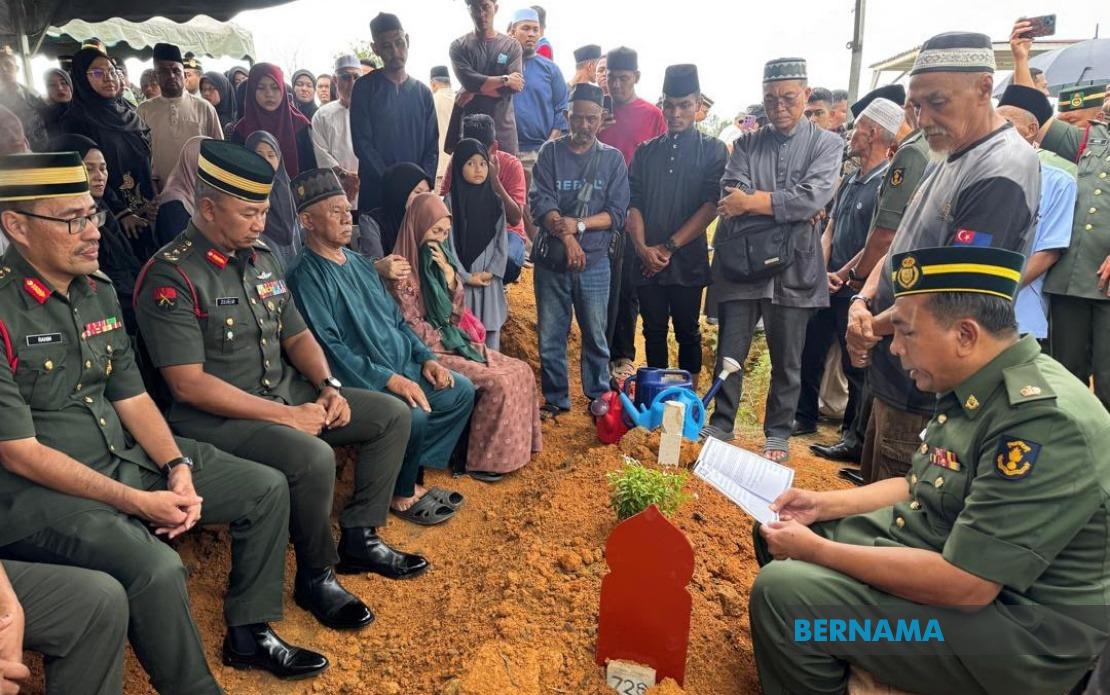
The bereaved father's emotional restraint while describing his daughter's aspirations reflects the profound impact of the loss on the family unit. Sungip Jais had anticipated witnessing his youngest child's career progression within the armed forces, perhaps eventually attending significant milestones and service achievements. Instead, he must reconcile the permanent absence of his daughter with the legacy she leaves through her brief but dedicated military service. Her burial at Taman Sri Lambak Islamic Cemetery on the day of her death concluded a service to the nation that had spanned little more than twelve months.
This tragedy invokes broader considerations regarding occupational safety within military training environments across Southeast Asia. While the Malaysian Army maintains professional standards and extensive experience in conducting such exercises, the loss of life during routine training operations invariably prompts examination of procedural safeguards and risk mitigation protocols. The incident serves as a sobering reminder that even highly trained personnel operating within established frameworks remain vulnerable to catastrophic accidents during inherently dangerous activities.
For the Malaysian military establishment, the deaths of Siti Khadijah and Corporal Norazmi Abu Bakar represent not merely operational incidents but human costs that resonate throughout the broader defence community. Their sacrifice, however tragic and unintended, ultimately reflects the fundamental hazards that military personnel accept as inherent to their profession. The legacy that Siti Khadijah sought to establish through her service—honouring her family's commitment while contributing to national security—endures despite the premature conclusion of her military journey.

